




Liqueurs are growing in independent grocery. The trouble is the category is so vast that the headline number tells you nothing about your own shelf. There are winners and losers inside it and the winners are specific flavours, so that's the level I'd think at. Build around three or four base flavours and accept the list will look different in two years.
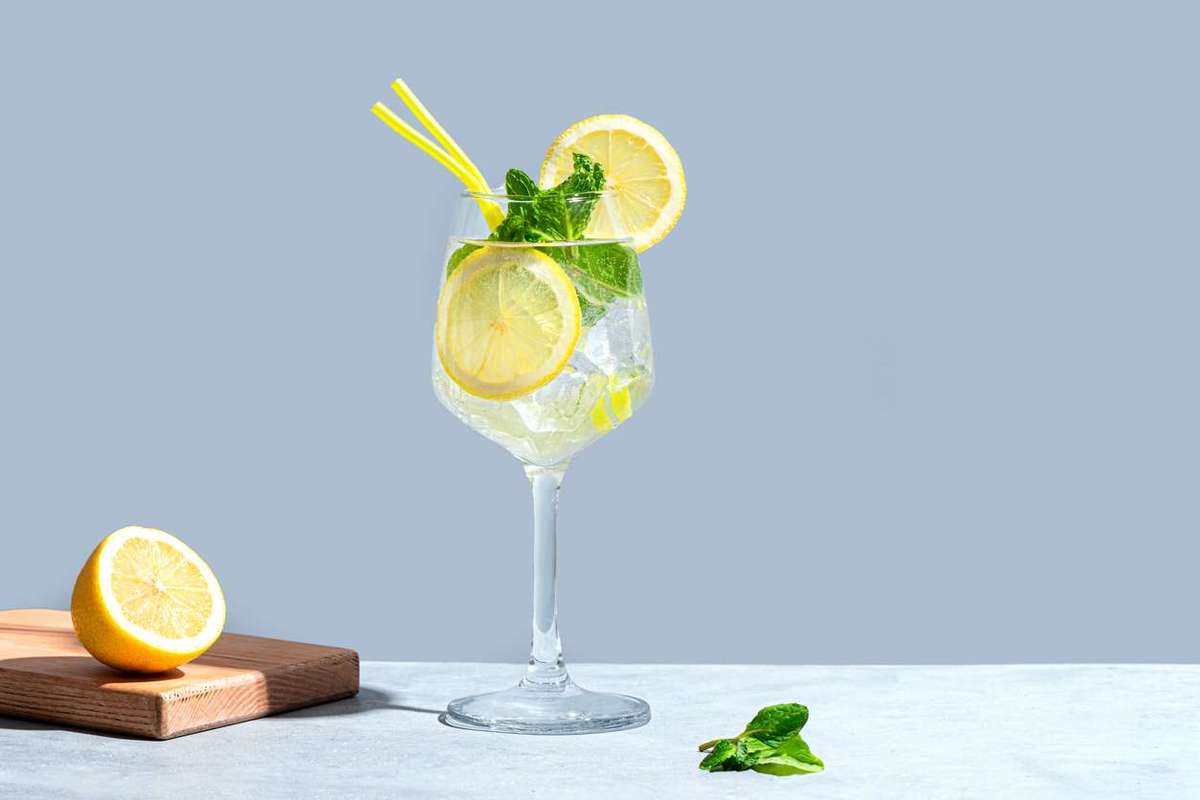
Elderflower is the biggest winner of 2026 by a distance, carried by the Hugo Spritz. Square's till data from bars and restaurants had the Hugo up 196 per cent YOY between April and June, making it Britain's fastest growing cocktail.
Chilli came next through the spicy Margarita at 56per cent and Limoncello Spritz made the top ten. Those are on-trade figures, but your customers drink out before they buy in. Giffard's wild elderflower, their Piment d'Espelette and a proper Limoncello di Capri cover all three.
The vast majority of liqueurs end up in a cocktail, so somebody buying elderflower in September is making a Hugo and they'll want prosecco, soda and mint too. Get those within reach of each other and you've sold four things instead of one.
Premiumisation, provenance and the discovery question
Premiumisation gets a lot of credit here and some of it is deserved. A good deal comes down to bottle and brand recognition, because people reach for the label they've watched a bartender pour. In my mind liquid quality sits further down the list than producers would like to admit. Get the right flavour on shelf, price it where your customer expects it and move on.
Provenance matters less here than it does elsewhere in spirits and I say that as someone who sells it for a living. The category is enormous and full of innovation, which leaves room for the established houses and the newcomers alike. This is a discovery category, so put something unfamiliar next to the names people know and tell them what to do with it. A shelf card naming the drink does more work than one naming the ingredient.
On the flavours themselves, I hope we end up somewhere more natural. There's a real mix on shelf at the moment, plenty built on fruit and botanicals but plenty built in a lab.
So where do RTDs actually fit
RTDs get described as a route into the category and I've never seen it work that way. In liqueurs they do three jobs, brand recognition, line extension and a base for something else. A canned spritz isn't standing in for a bottle on your shelf. Someone buying the can wants one drink tonight.
So, stock what people are drinking, review it more often than feels necessary and make sure customers know what to do with the bottle at home. Be bold with a flavour or two. You'd be surprised what people will try.
 Nick Gillett Photo: Handout