



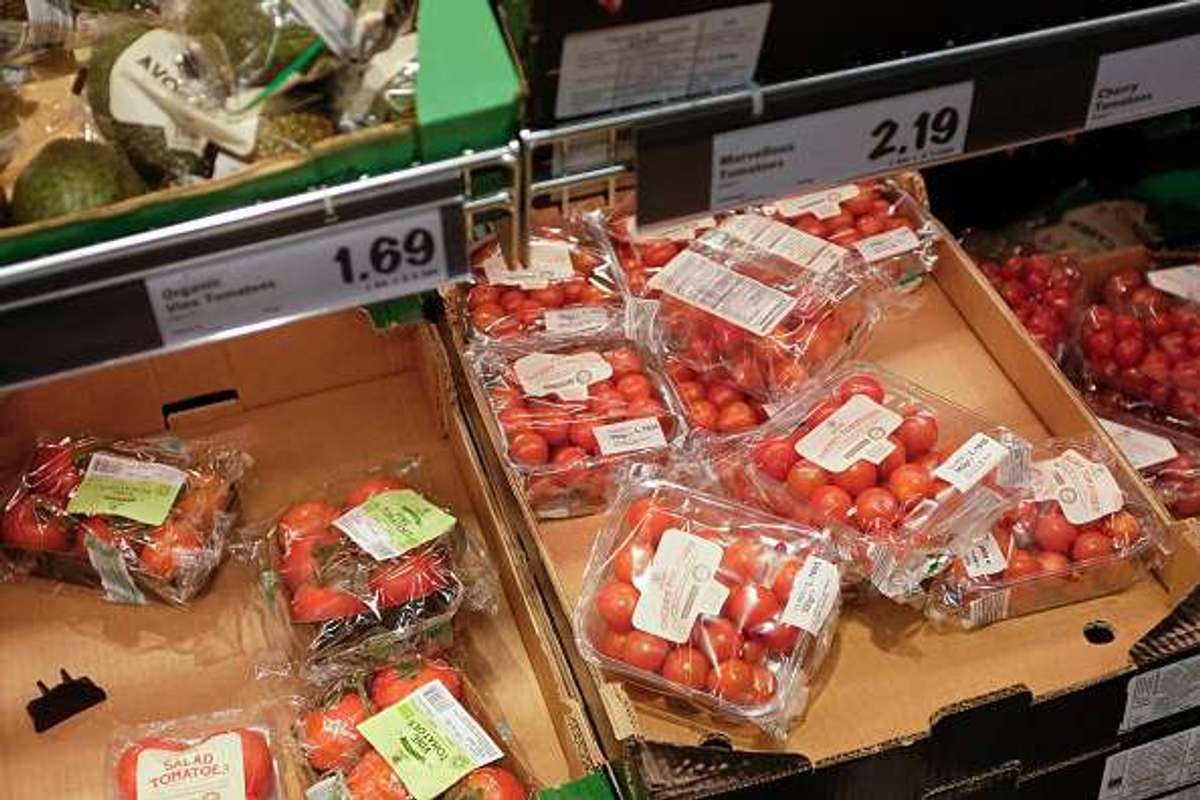

Prices of cucumbers and tomatoes could rise over the next six weeks as a result of the conflict in the Middle East, with the cost of other crops and milk expected to increase in the next three to six months, a leading farmers' union has warned.
Iran's continued blockade of the Strait of Hormuz has led to higher costs for fuel and fertiliser, both crucial elements of food production.
A significant portion of the world's natural gas, crude oil and fertiliser normally passes through the Strait of Hormuz, which has now been effectively closed for more than three weeks.
According to National Farmers Union (NFU), the produce grown in glasshouses heated with natural gas, such as tomatoes, cucumbers and peppers, are likely to be quickly impacted by rising energy prices.
Speaking to the BBC, NFU president Tom Bradshaw stated, "For our glasshouse horticultural production, things like cucumbers, peppers, tomatoes - it'll be over the next month, six weeks that we see those cost increases coming through to the retailer.
“And then for some of our field-scale produce and some of our crops and milk and things like that, it'll be the next three to six months that we start to see those prices coming through," he said.
The pressures "span the whole food supply chain" and were something the "government needs to take very seriously", he warned.
He added that the effect of the conflict on food production "will turn the world supply upside down, and it will have a dramatic impact".
Livestock and dairy farmers could also be impacted soon as they generally buy fertiliser as and when it is needed.
The issue is likely to be on the agenda when senior government ministers will hold an emergency meeting to discuss the conflict's effect on the cost of living this week.
Farmers growing arable crops such as wheat and barley could be better protected from the initial rise in fertiliser prices, as they generally buy in advance.
Meanwhile, the British Retail Consortium (BRC) also said disruption to shipping routes may affect the availability and prices of some goods.
But it added that retailers and suppliers were "adept at managing this type of disruption" and "will work hard to minimise the impact on customers".
BRC director of food and sustainability Andrew Opie said sustained increases in the cost of energy could "directly impact" the price of goods.
"Amidst this volatile backdrop, it is more important than ever that government keeps other inflationary pressures within its control to a minimum to protect households," he added.