



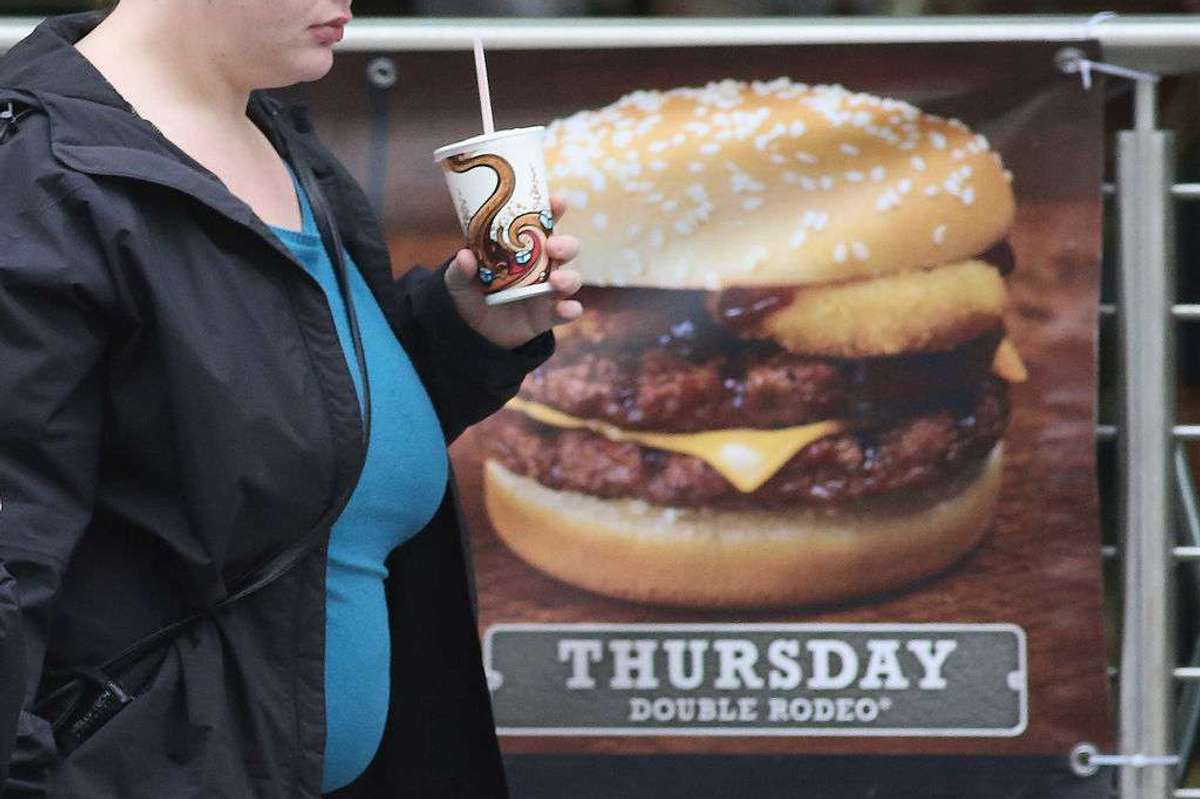

Foods high in fat, salt and sugar (HFSS) were the only food category to become cheaper over the past year, while the cost of healthier food continued to rise, widening the affordability gap and putting a healthy diet increasingly out of reach for lower-income families, according to a new report.
The Food Foundation's annual Broken Plate report found the price gap between healthier and less healthy foods is now at its widest level in more than a decade, with healthier food costing almost twice as much per calorie as less healthy alternatives.
While prices of protein foods rose by 4 per cent and fruit and vegetables increased by 1.7 per cent between 2024 and 2025, HFSS products were the only category to record a price decline.
The charity warned that the trend is exacerbating health inequalities and making it increasingly difficult for families to follow the government's recommended Eatwell Guide diet.
According to the report, households in the lowest income fifth of the population would need to spend 49 per cent of their disposable income to afford a healthy diet, compared with 11 per cent for those in the highest income bracket. For low-income households with children, the figure rises to 85 per cent of disposable income, up from 70 per cent in 2024.
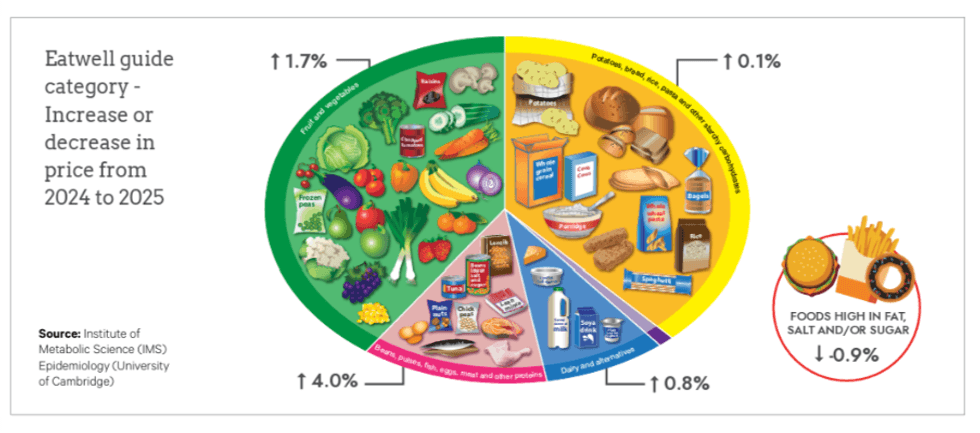 Healthier food is nearly twice as expensive per calorie as less healthy, with HFSS foods being the only food group to have seen a drop in price in the last year Photo: The Food Foundation
The findings come amid wider concerns about the UK's food environment, with the report highlighting the prominence of HFSS products in retail and foodservice channels.
The research found that 40 per cent of food and non-alcoholic drink promotions are for HFSS products, while fruit and vegetables account for just 3 per cent of traditional food and drink advertising spend. Fast-food outlets now represent one in four food purchasing locations in England, rising to more than one in three in the most deprived communities.
The Food Foundation said the combination of cheaper HFSS products, widespread promotions and limited marketing support for healthier foods creates a food system that makes healthy choices more difficult for consumers, particularly those on tight budgets.
The report also highlighted the nutritional consequences of current consumption patterns. Only one in 10 young people aged 11-18 consume the recommended five portions of fruit and vegetables a day, while 95 per cent exceed recommended levels of free sugar intake.
Anna Taylor, executive director of The Food Foundation, said: "The Broken Plate report reveals that it is becoming increasingly difficult for struggling families to afford and access a healthy diet, despite promises from the government to create the healthiest generation of children ever and reduce child poverty."
Taylor called on ministers to press ahead with commitments outlined in the NHS 10-Year Health Plan, including mandatory reporting of healthy food sales by large businesses and additional support for low-income households struggling with food costs.
The charity is also urging the government to introduce a Good Food Bill to improve long-term food security and nutritional outcomes, warning that further delays to planned public health measures could worsen already significant diet and health inequalities across the UK.