





Dairy is a surprisingly wide and varied category. Mostly it lives in the chiller, but with ever more popular ambient milk drinks it also sits on the shelf (but best sold cold!). There's cheese, yogurt, kefir, creams and cream-cheeses, butters and spreads, all sorts of flavoured dairy drinks, milk – plant-based varieties, goat and good old cow juice, full-fat, half- and skimmed – and within each area a plethora of developments and innovations that soon become mainstream. Who would have expected camembert cheese, once so exotic, would now have its own purpose-marketed baked camembert subset? Ditto the deep-fried version, once upon a time found only in restaurants and now hanging out in the cooler at home.
And of course, along with bread, dairy is literally "the staff of life" helping us all along the road of everyday nutrition. Because of this, it is extraordinarily resilient to the ups and downs of the economy, if not particularly prone to enormous jumps in sale, although fashions and innovations can be category-changing and provoke impressive leaps of particular sections – witness the gut-health movement of the past few years, preceded by the drinking yogurt revolution. And of course, plant-based has now become utterly mainstream, with oat-milk coming to predominate among the competing pulse and nut milks. All these innovations and fashions tend consistently to be absorbed into the mainstream of the category, adding to the variety and depth of products and types, which is advantageous for retailers, but also raises the "spoilt-for-choice" problem.
Heloise Le Norcy-Trott, Group Marketing Director of cheese major Lactalis UK & Ireland, says that retailers should focus on building a balanced chilled dairy range that reflects the full breadth of shopper demand, from everyday convenience and functional nutrition to quality-led products that offer clear added value.
"Functional dairy remains a particularly strong opportunity," she explains. "Protein has moved well beyond sports nutrition and now spans breakfast on the go, snacking and everyday meals. Almost a third of all protein occasions now take place at breakfast, underlining the importance of familiar dairy formats that fit naturally into daily routines."
More broadly, she adds, retailers should prioritise trusted, quality-led brands that give shoppers a clear reason to buy. In a value-conscious environment, consumers are becoming more selective, so products need to demonstrate relevance through taste, provenance, functionality, convenience or versatility.
"By investing in recognised brands, developing relevant products and supporting retailers with clear category thinking, the business can help drive shopper engagement and long-term category growth."
Cheese, please
Frazier Crane, in the eponymous comedy show, once told his brother, the effete Niles, that his idea of a "shady" neighbourhood seemed to be when the cheese shop didn't have valet parking.
That might seem a little caricatured, but it's true that cheese adds class to any store – a range, no matter how limited, benefits from curation and attracts not just staple purchases but impulse buys for those seeking something special.
“Convenience certainly doesn’t have to mean boring," says Nicola Blackmore‑Squires, Marketing Director at Ornua Foods UK & Europe, owners of Pilgrims Choice. “Shoppers are showing strong appetite for being adventurous – particularly when it comes exploring new flavours and cuisines.”
Chilled dairy continues to perform strongly as shoppers look for products that combine quality, taste, convenience and clear points of difference, says Le Norcy-Trott. Fixed weight cheese remains a significant category, worth £4.64bn, with value sales up 4.7 per cent and volume sales up 2.7 per cent.
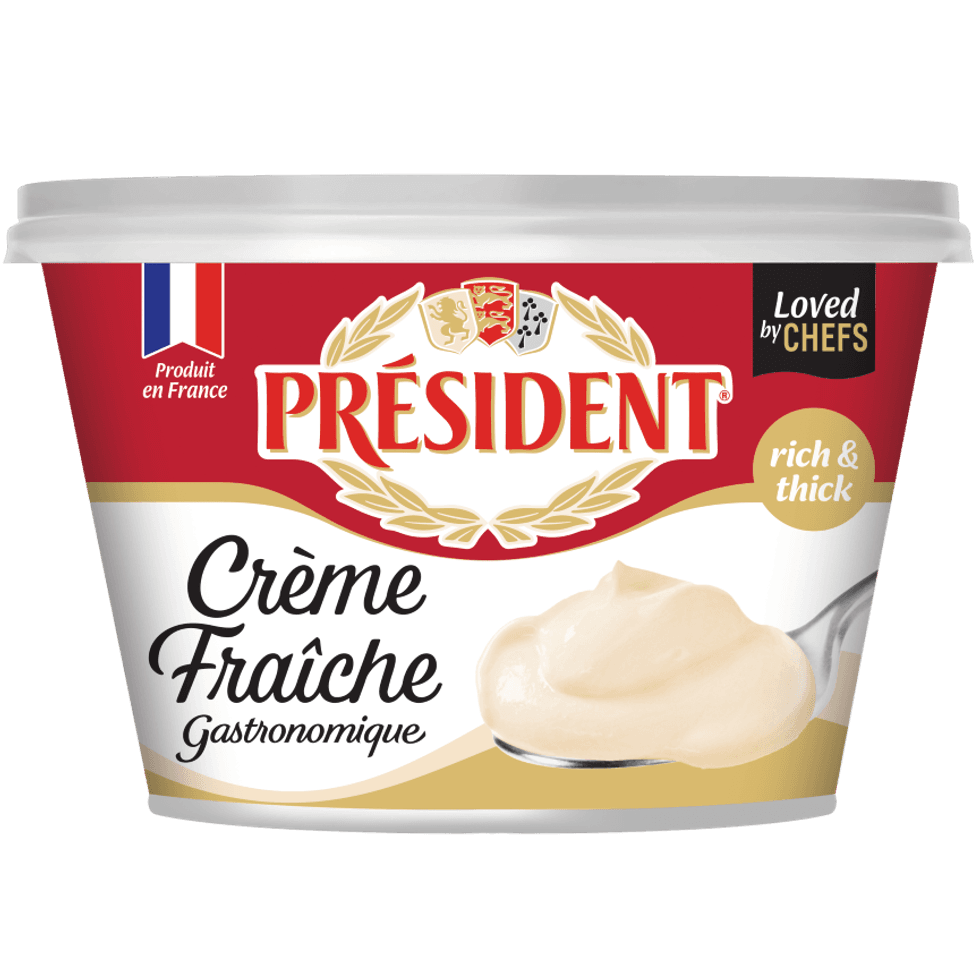 Photo: Handout
Branded cheese is helping to drive this momentum, with value sales up 6.3 per cent and volume sales up 6.9 per cent. This demonstrates the continued role of trusted brands in giving shoppers reassurance, quality and compelling reasons to buy.
“The UK consumer’s love for great‑tasting cheese is stronger than ever and as such it represents an essential part of any chilled food retail offering,” adds Blackmore‑Squires.
“In total cheese sales are now worth over £5.5billion, growing at over five per cent in value over the past year, and that appetite is just as clear in convenience, where core cheddar sales in convenience outlets are also in growth and are now worth some £229million annually.”
But she stresses that it’s not just about having any old cheese on shelf, it’s about having the right cheese.
“Research by the Institute of Grocery Distribution (IGD) from 2024 showed that over half of all convenience store trips included a stop at the dairy fixture, and those shoppers are actively seeking out high quality, trusted brands like Pilgrims Choice.”
 Pilgrims Choice Photo: Handout
Blackmore-Squires adds that more recent IGD research reveals another shift, with over half of convenience shoppers now pre‑planning their meals and purchases, “which challenges the old idea that convenience is purely impulse driven”.
Today’s shoppers certainly want speed, but they also expect quality, reliability and something more inspiring. "Yes, value still matters, but so do values: consistent quality, standout taste and strong natural provenance.”
Everyday block cheddar, with its great taste, texture and sheer versatility, now accounts for over a quarter of all retail cheese sales.
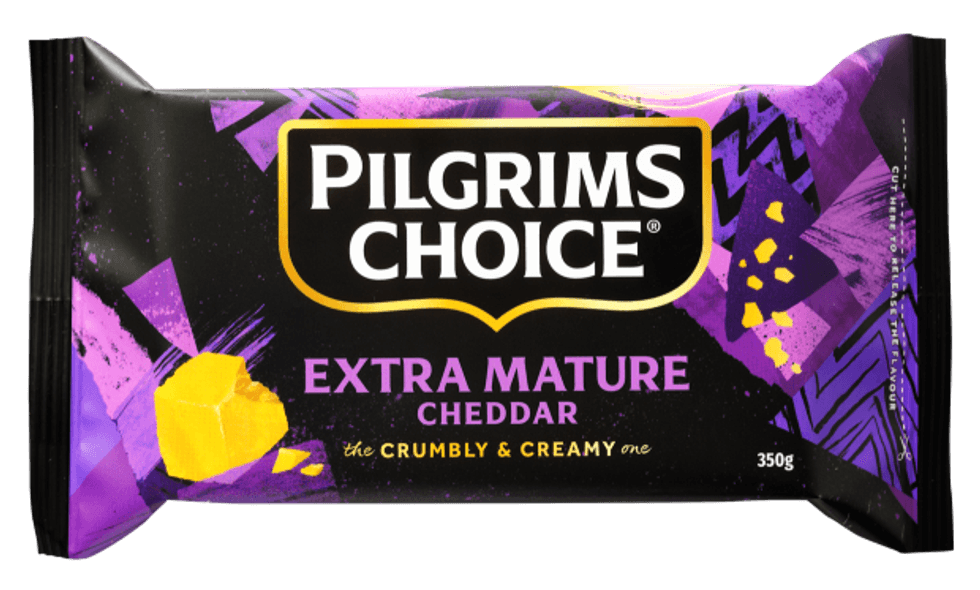
“At Pilgrims Choice sales of our block cheddar grew in convenience stores across Great Britain in the first quarter of the year by +16.5 per cent in value and +35 per cent in volume terms. We’re also seeing strong momentum in our range of sliced and grated cheddar as shoppers look for simple, time‑saving ways to elevate meals,” says Blackmore-Squires.
"Our range of Mature, Extra Mature, Vintage and Lighter cheddars is available in a block format, while our extra mature is also available in sliced and grated packs, plus we bring added excitement with our innovative flavoured cheddars. On top of that, our bold new pack design is turning heads in chillers everywhere, boosting standout, driving shopper engagement and helping elevate the chilled food fixture.”
"Lactalis UK & Ireland is helping retailers respond to demand through a broad portfolio spanning everyday cheese, premium and provenance-led products, convenient formats and functional dairy," says Le Norcy-Trott. "Président, Galbani and Leerdammer are all delivering growth, reflecting demand for products that meet a range of occasions, from simple everyday meals and snacking to more premium at-home dining."
She explains that the cheese offer is being shaped by several complementary trends, including convenience, premiumisation, snacking and functional nutrition.
"Protein is part of this wider picture, having moved beyond sports nutrition and into everyday breakfast, lunch and snacking occasions."
Pilgrims Choice has leaned into that trend for variety and occasion with a range of flavoured slices, blending moreish cheddar with herbs, spices, vegetables and seasonings. Since the launch last year, it has sold over 850,000 packs of Caramelised Onion, Hot Honey and Smoky Paprika cheese slices – "a clear sign that consumers are seeking out exciting flavour twists," says Blackmore‑Squires.
Le Norcy-Trott's conclusion is that the long-term opportunity lies in continuing to innovate around the way people eat today, while maintaining the quality, versatility and trust that make dairy such an important part of shoppers’ baskets.
Super spreads and cream dreams
Butter and spreads are a wide and nuanced range of products covering not only butter, but also its non-dairy compliments of margarine and plant-based spreads. In terms of traditional Dairy, Ornua Foods’ Nicola Blackmore-Squires says that within the intense competition, it is vital to understand how PMPs are key to sales success in convenience stores
"When it comes to the growth in block butter sales, Kerrygold is very much leading the way and is now the No.2 block butter brand by value across all retail settings," she says.
The Kerrygold success story is now being replicated in the convenience sector where the brand is performing strongly, again outstripping other major brands, with volumes sold through convenience stores growing over the last 12 months.
“A key driver in boosting sales in convenience stores is the availability of a great value 200g Kerrygold block priced-marked pack which retails for £2.79. Indeed, sales of Kerrygold price marked packs are up over 11.8 per cent by value.
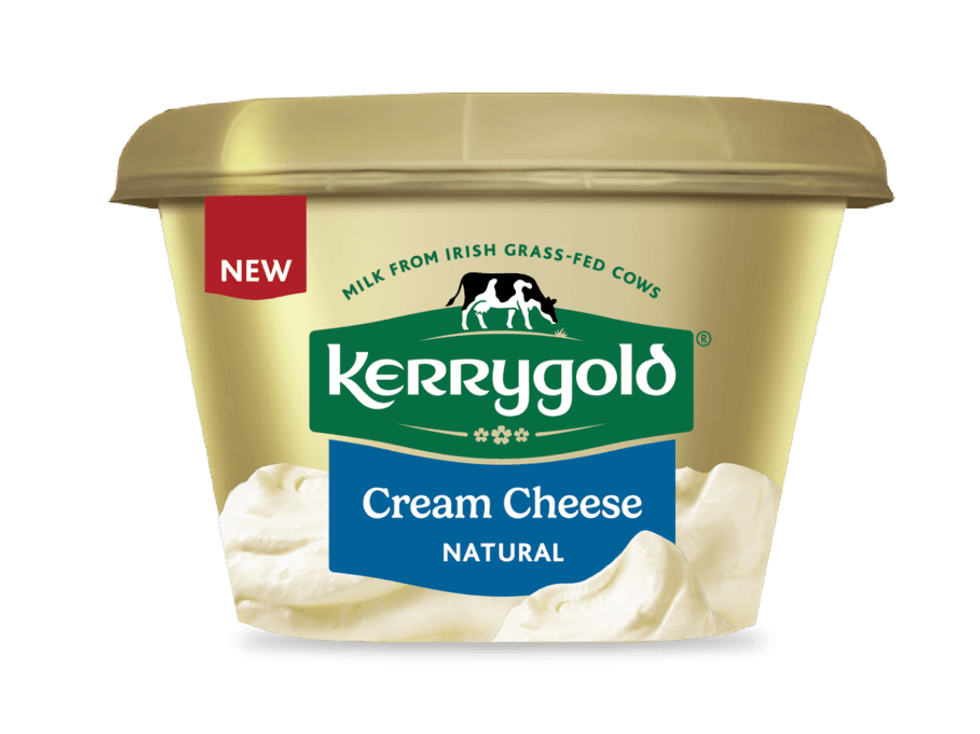 Photo: Handout
She argues that In butter and spreads, shoppers are choosing not just value but values. Kerrygold is definitely benefitting from consumers seeking great taste, but also natural goodness and simplicity: a traditional brand story of natural, healthy farm produce.
"With its renowned quality, unrivalled flavour and Irish grass-fed provenance, Kerrygold drives strong loyalty and repeat purchase, making it, and our price marked packs, a ‘golden opportunity’ for convenience retailers.
“Our Irish grass-fed cows enjoy lush green pastures, and produce rich, delicious milk – giving Kerrygold its delightfully creamy texture, unmistakable flavour, and signature golden glow, perfect for every meal occasion.
Kerrygold is also set on entering a new dairy category with the launch of Kerrygold Cream Cheese to rival the very few (one?) already dominating the market – we all know who we are talking about!
Designed to accompany bagels, and as an indulgent complement to breakfasts and lunches, the new Kerrygold Cream Cheese is, like the butter, made with a simple, clean ingredients deck from the same grass-fed livestock.
According to market research from Ornua, consumer interest in Kerrygold Cream Cheese is very strong with 98 per cent of existing cream cheese buyers indicating they would be keen to purchase it. Three out of four Kerrygold shoppers already buy cream cheese and are willing to pay more for quality, while they also value clean label and natural propositions.
“In line with our mission of driving the brand’s Irish grass-fed difference in more categories, we are excited to introduce Kerrygold Cream Cheese to the UK,” said Nicola Blackmore-Squires, Ornua Foods UK Marketing Director. “By leveraging Kerrygold’s values of naturalness, simplicity and demonstrable provenance we believe our latest launch will be ‘the new Gold Standard in cream cheese’.” Let battle commence!
The launch comes at a time of good growth in the category which has seen sales rise by 4.8 per cent in value terms year on year. Over the past 12 months, on average, UK consumers are purchasing cream cheese 7.1x a year (up +2.1 per cent). This is partly driven by a focus on Health and Wellness which is benefiting other categories within Cheese – such as cream cheese.
Sales are set to be boosted further with the largest ever above- and below-the-line marketing support for the brand. Running from mid-August to October, the multi-channel “Make It Gold with Kerrygold” campaign will support the Kerrygold masterbrand, its growing range of butters and spreads and now cream cheese.
The new ad campaign will roll out across Digital AV, social, and retail channels, ensuring broad reach and engagement with consumers seeking to bring a more elevated, premium experience to their everyday dishes. Created in partnership with BBDO, the campaign comes to life through a series of visually rich ads voiced by acclaimed Irish actor Nicola Coughlan, best-known for her roles in hit series like Derry Girls and Bridgerton. The creative emphasises the role Kerrygold plays in transforming simple, everyday meal moments by bringing premium quality, authentic Irish grass-fed heritage, and exceptional taste to homes countrywide.
"Our ‘Make it Gold with Kerrygold’ campaign celebrates what makes Kerrygold’s Irish grass-fed dairy products truly special - namely our commitment to premium quality, our distinct Irish provenance and, above all, the unmistakable great taste of Kerrygold,” adds Lucy Hay, Senior Brand Manager at Kerrygold UK.
“At its heart, the campaign serves as a reminder that some of life’s most meaningful moments happen around the table - and that with the very best ingredients, even the simplest meals can feel a little more special. Nothing brings people together quite like food, so why settle for good when you can have gold?
“The new multi-channel campaign represents our largest ever above and below the line support for Kerrygold and launches at a time of strong and sustained growth for Kerrygold in terms of sales, distribution and innovative range extensions.”
Meanwhile, Lactalis UK & Ireland is expanding its Président portfolio with the launch of Président Crème Fraîche, marking the brand’s first fresh cream SKU in the UK.
Available in a 200ml resealable tub, the product brings a premium, authentically French offer to the chilled cream fixture, a category still largely dominated by private label.
Made in Normandy, backed by decades of French dairy expertise, Président Crème Fraîche delivers a rich, thick texture that performs reliably in cooking – staying stable and smooth when heated and bringing a creamy finish to both savoury and sweet dishes.
Designed for versatility, the product blends easily into sauces, soups, curries and pasta dishes, while also adding richness to bakes, desserts, and toppings. Its resealable packaging makes it easy to store while helping maintain freshness for longer.
Héloïse Le Norcy-Trott said, “Président is synonymous with quality, indulgence, and the French Good Life, and this launch is a natural next step in our strategy to bring great-tasting French dairy products to UK shoppers in ways that elevate everyday dishes."
Président Crème Fraîche will be supported by in-store activation at launch, including POS and shopper education to drive awareness and inspire usage.
(Milk) shake your money-makers
Flavoured milks and yogurt drinks are increasingly an essential part of the soft drinks as well as dairy categories, challenging as they do the image of sugary sinfulness with the unimpeachable health credentials of protein and calcium. But the sector is also full of flavour and colour and appeals to both kids and adults – pleasure without guilt, if you like, is the secret of success for shakes and drinking yogurts.
Bob Mulder, MD at YAZOO-maker Friesland Campina, says that Dairy Drinks is a fun and dynamic category, offering retailers a prime opportunity to capitalise on consumer demand for affordable indulgence. With the category now worth £991million and growing +11 per cent year-on-year [Nielsen EPOS Data], he avers that milk drinks have shown themselves to be a resilient and consumer favourite product.
"Despite the squeeze on household budgets, shoppers haven't abandoned treating themselves," says Mulder. "Consumers continue to find pleasure in small moments of joy through affordable treats, which has boosted sales of products such as dairy drinks. This trend is reflected in the premium milk drinks segment, which is growing faster than the market rate. This strong performance aligns with the projected £136million market growth potential over the next five years, particularly within the 'indulge-me moments' category. This presents a significant opportunity for retailers, particularly in the independent convenience sector, to cater to this demand."
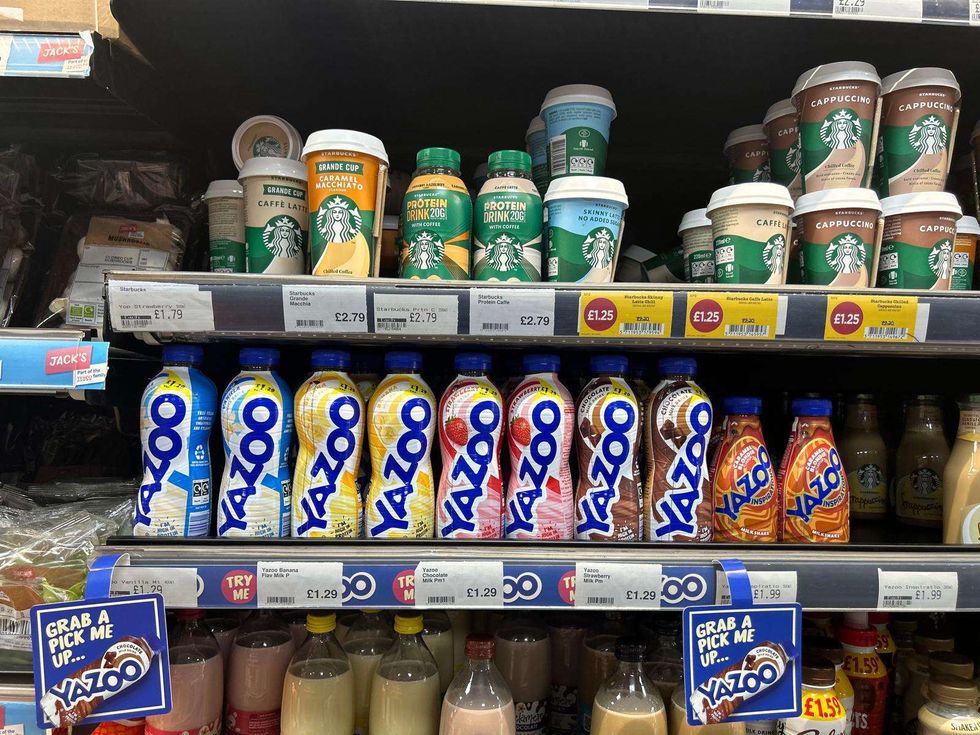 Photo: Handout
YAZOO remains the number one flavoured milk brand in the UK [Nielsen] and is currently seeing strong value growth of +12.4 per cent. Two YAZOO milk drinks are bought every second and almost one in five UK households (18.6 per cent) purchases a bottle. The range offers four core flavours – Strawberry, Chocolate, Banana, and Vanilla – with the classic Chocolate and Strawberry varieties the most popular. Acting as signposts for the category, each flavour boasts over £34 million market value, highlighting the enduring appeal of traditional flavours.
"This consistent high demand makes YAZOO a must-stock for retailers looking to capitalise on this thriving segment," says Mulder.
Mulder stresses that independent retailers can compete effectively by focusing on the impulse-driven nature of the convenience channel. A collaborative trial with YAZOO in three independent stores revealed that a combination of strategic merchandising and PMPs can lead to significant growth, he explains. Broadway Convenience Store in Edinburgh increased its YAZOO PMP sales by +235 per cent during the trial!
He advises that the best way to stock is to have YAZOO Classic (400ml) and says the 400ml PMP format is perfect for the front-of-store chiller. The classic Chocolate and Strawberry flavours each have over £34 million in market value.
And do not underestimate RTD coffee, which also continues to grow, fuelled by the increased demand for delicious on-the-go options. Now accounting for 36 per cent of the total dairy drinks category, it presents a significant opportunity for convenience retailers. Barista, also from Friesland Campina, has largely driven this growth by attracting new buyers to the category. The 250ml can is growing at 25 per cent YOY. Its low price point and popular Caramel Latte flavour attracts new coffee buyers. And the 300ml Chocomel in its new resealable PET bottle has also been a huge success, driving a 24 per cent sales surge.
Turning to yogurt drinks, the king of the hill is YOP, from yogurt specialists Yoplait (think Frubes, Petits Filous – "Little Rascals" to you – and Peppa Pig), which has just launched its first ever price-marked pack for convenience. The 500g PMP, in its most popular strawberry flavour, is now available at Eden Farm, Parfetts and Bestway.
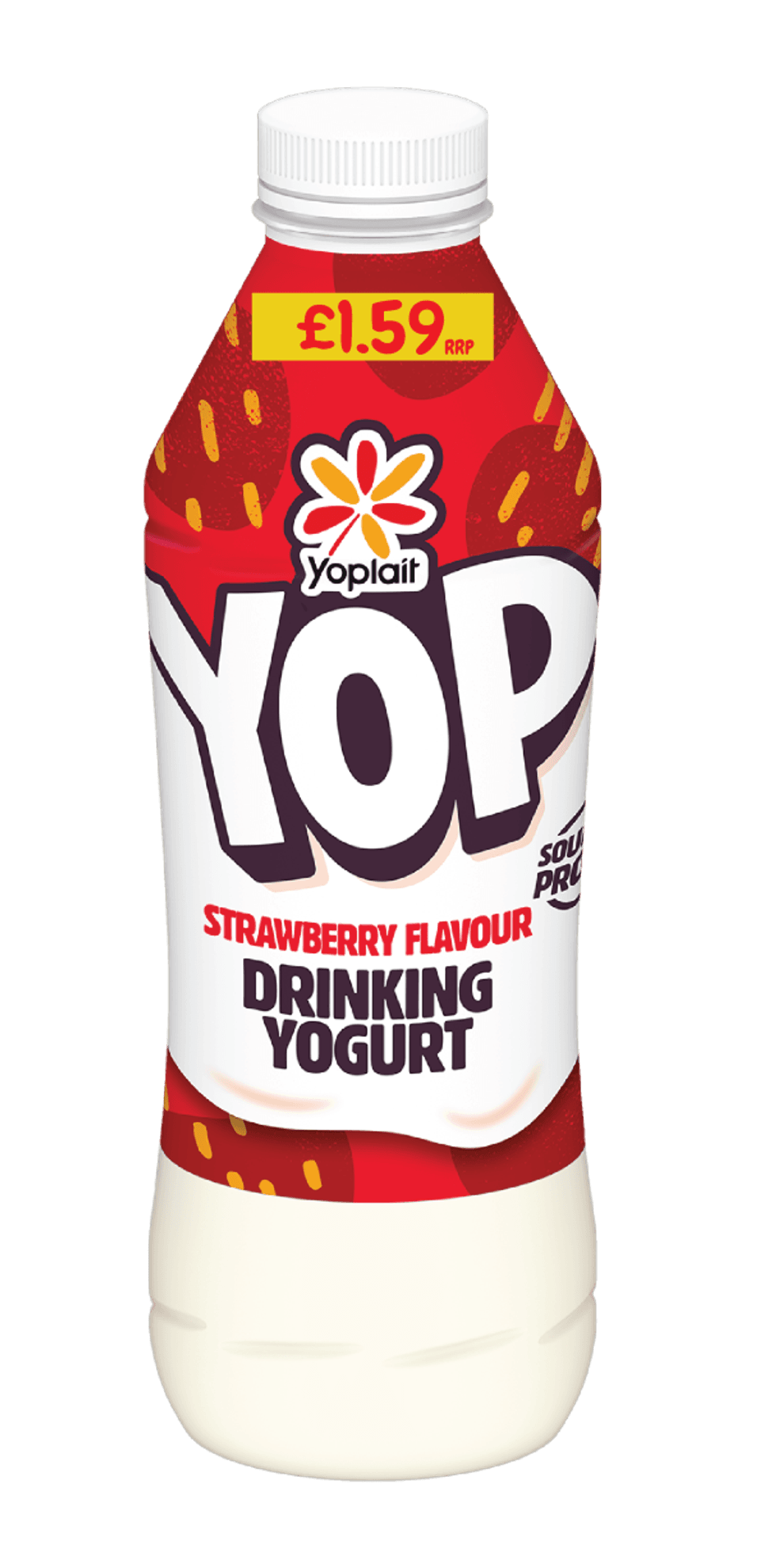 Photo: Handout
The announcement comes as Yoplait looks to expand its share in the impulse channel and bring more delicious dairy goodness to more places and more consumers, and it's good to see the c-channel being taken seriously and given some love alongside the big accounts at the mults. The potential for yogurty impulse sales – especially for school kids, who know what they want and don't want to be dragged around a superstore - is a secret weapon of convenience.
The YOP 500g PMP has a flash price of £1.59, offering clear price transparency to shoppers and a good profit margin for retailers.
“As the only drinking yoghurt on the market, YOP offers a true point of difference with a unique taste and texture,” says Grant Yates, Sales Director for Yoplait UK.
“YOP is perfectly suited to the impulse environment, and the addition of a price-marked pack will further drive consumer trust and attract value-conscious shoppers. We know that PMPs drive repeat purchase as consumers return to brands, they trust.”
YOP is experiencing a resurgence in popularity and benefiting from the growth of the dairy drinks category. Currently worth £10.3 million and growing in value at four per cent YOY and ten per cent YOY in volume terms, YOP is becoming a true stand-out brand.
Almost seven million bottles of YOP were sold in 2025, and earlier this year the brand underwent a modern refresh to ensure it really pops on-shelf and appeals to its target audience of teenagers and young adults.
Wellness and protein
According to Le Norcy-Trott, some 23 per cent of consumers are now searching for foods high in protein, up 75 per cent versus 2021, while almost a third of protein occasions take place at breakfast.
Make no mistake, this is a revolution.
The old 1970s stand-by, cottage cheese, is back big time (see below with Arla's new offering) and becoming increasingly popular, particularly among younger shoppers. "Its growth has been supported by affordable nutrition, social media recipe inspiration, high-protein eating and renewed interest in simple, versatile foods," she says: households are now consuming 50 per cent more cottage cheese than two years ago, while the category is up 55 per cent in value sales and worth over £114million.
"Quark is another emerging area of opportunity. The category is currently worth £5.3million and growing 13.3 per cent YOY but remains relatively underdeveloped. Greater visibility, education and usage inspiration could help more shoppers understand how it can be used across breakfast, snacking and everyday meal occasions."
Lactalis UK & Ireland has responded to these trends through Lindahls Protein, a £49million brand and the only one spanning cheese, milk, yoghurts and desserts. The range includes Lindahls Protein Cottage Cheese, Quark, Gouda Slices, Greek Cheese, Protein Milk and Protein Milk with Collagen, giving retailers a broad selection of familiar chilled dairy formats that fit across breakfast, lunch, snacking and food-to-go occasions – a brand that can cover all sectors in a single chiller.
This breadth enables retailers to meet growing demand for protein across multiple dairy formats and occasions, rather than treating it as a standalone sports nutrition proposition. Instead, Lindahls Protein brings the trend into everyday dairy, helping shoppers incorporate protein into existing routines through convenient, easy-to-understand products.
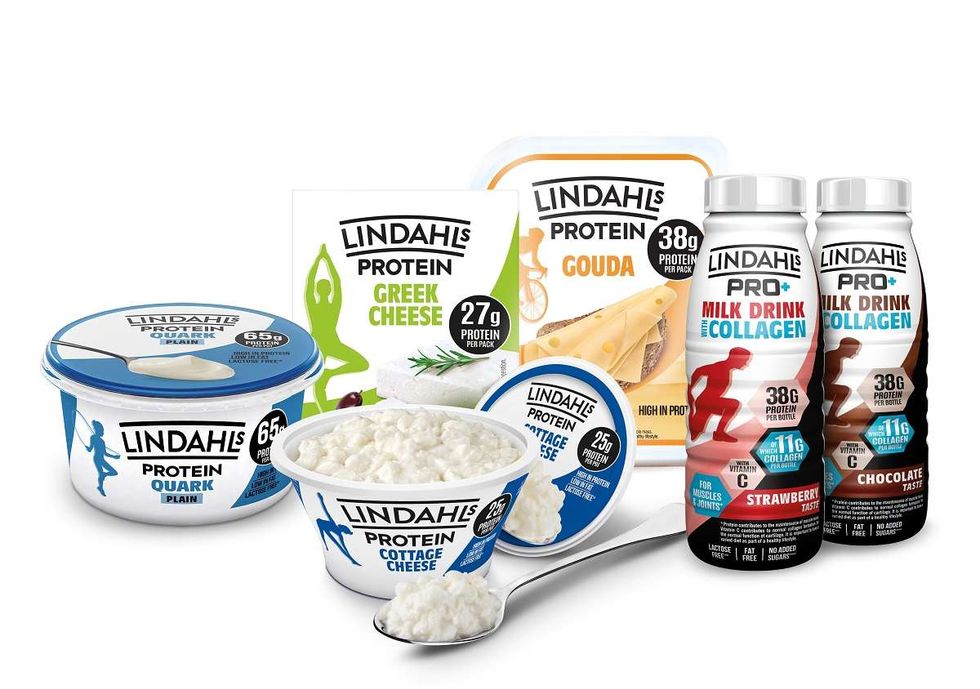 Lindahls Protein range Photo: Handout
Lindahls Protein Milk and Lindahls Protein Milk with Collagen give retailers an opportunity to respond to growing interest in functional dairy through recognisable, convenient chilled formats, Le Norcy-Trott explains. "The key is to range products against clear shopper needs and make the fixture simple to navigate, rather than relying on choice alone.
Together, these trends show that shoppers are looking for dairy products that combine convenience and versatility with nutritional relevance, quality and everyday value.
Wellness is an increasing consumer focus which goes beyond protein to therapeutics, with gut-health becoming a category in its own right, with kefirs and fermented milk drinks. Overall wellness in a bottle is supported by brands such as microbiome maestros Yakult, which can be perfect for the convenience environment, compact in its packaging – typically eight little 65ml bottles full of friendly L. casei Shirota bacteria – and easily picked up once a week, perhaps on the way home from work.
Reshma Patel, Marketing Manager at Yakult UK & Ireland, says that Yakult operates within the active health drink category as part of the wider dairy sector, and benefits from sharing many current consumer trends and behaviours.
“We're seeing consumers increasingly looking for products that support their overall wellbeing, whether that's digestive health, hydration, protein intake, immunity or healthier snacking choices," she says, adding that products that can deliver a clear role within a daily routine are continuing to resonate.
"One of the biggest drivers of growth is the shift towards seeking products to support prevention rather than cure. Consumers are increasingly taking a proactive approach to their wellbeing and looking for simple products that can fit easily into everyday routines."
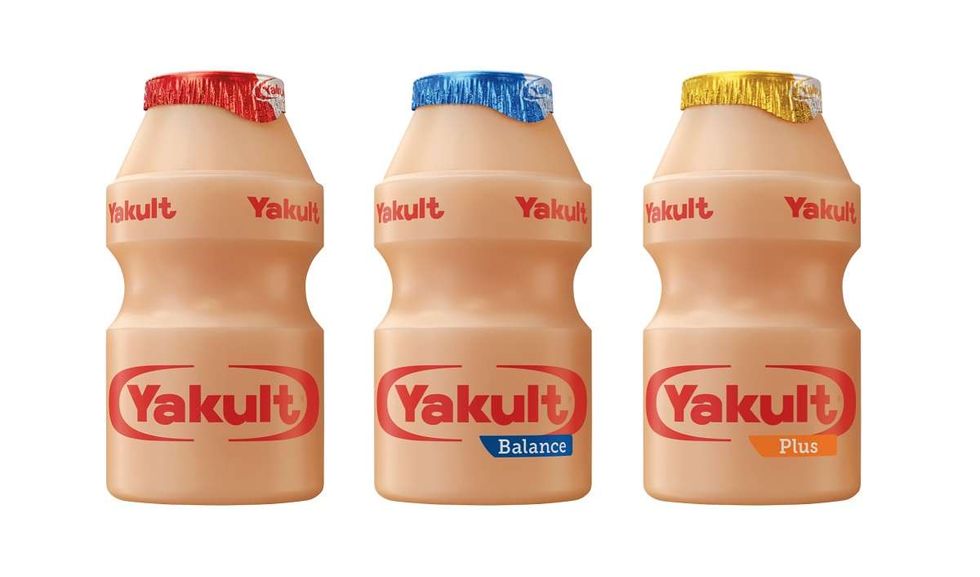 Photo: Handout
At the same time, Patel says that awareness of gut health has grown significantly in recent years thanks to scientific advancements, greater media coverage and trusted experts, and that this has helped to bring the topic into the mainstream: "This has driven the 'Gut Health Core’ trend where consumers are starting to prioritise their gut microbiome. At Yakult, we've seen growing consumer interest in understanding the role gut health can play as part of overall wellbeing, and this has helped drive demand for science-backed products and information."
As the wider health drinks market becomes increasingly crowded, credibility is becoming more important than ever. Consumers are faced with a growing number of products and claims, so trust plays a major role in purchase decisions. "For brands such as Yakult, which have spent decades investing in gut health research and education, this presents an opportunity to help consumers navigate the category with confidence," says Patel, and if you don't currently stock Yakult, you are potentially missing out on a strong sales element of the very healthy Wellbeing market.
“For convenience retailers, the active health drinks category presents a valuable opportunity as shoppers increasingly seek simple and accessible ways to support their wellbeing."
In terms of NPD, Müller Yogurt & Desserts and Myprotein have strengthened their partnership with the launch of Müller x Myprotein Mixers, a high-protein yogurt range – a creamy, high-protein yogurt with separate high-protein mix-ins, delivering contrast in texture and flavour within a single pot. The format has been developed to appeal to protein shoppers looking for more enjoyable, varied ways to hit their protein goals, without compromising on taste.
“Our partnership with Myprotein continues to demonstrate there is significant headroom for growth when protein is made more accessible and appealing to everyday shoppers,” said Richard Williams, CEO of Müller Yogurt & Desserts.
Nomadic, meanwhile, has given its biggest-selling Yogurt and Oat Clusters pots a fresh new look and simplified name – “Clusters”.
The move, taking place just over 27 years since the popular snacking format was introduced, follows the firm’s impressive 29.7 per cent growth in 2025 – in a category that only delivered 7.5 per cent in RSV.
The revamped style, carried across four Clusters flavours, will be rolled out gradually across all Nomadic’s range of convenience foods. It’s the latest initiative from the firm after last Autumn’s launch of its Yogurt & Oat Bar.
Arla Foods (the UK’s largest farmer-owned dairy cooperative) is entering the cottage cheese category with the launch of Arla Cottage Cheese. The range taps into renewed demand for high-protein, versatile dairy and aims to broaden appeal among younger, protein-seeking shoppers while driving value growth for retailers.
Hurrah for cottage cheese, which is seeing a strong revival, driven by versatility and high-protein usage trends. Plus, just one in four UK households (26.8 per cent) currently buys cottage cheese, leaving significant headroom.
Stuart Ibberson, Arla Brand Director at Arla Foods, said: “Cottage cheese is back on shoppers’ radar for good reasons – taste, versatility and protein. Penetration is building, and the UK still under-indexes versus other markets and adjacent dairy protein categories, so there’s clear runway for future growth.”
It's clear that Dairy (and its alternatives in plant-based) is in a good state, with robust sales and consumer sentiment that is growing ever more favourable for reasons not just about healthiness but taste and experimentation too, because this is one of the most versatile categories – and one that can work excellently for the independent retailer with a little thought and creativity in ranging and merchandising.