



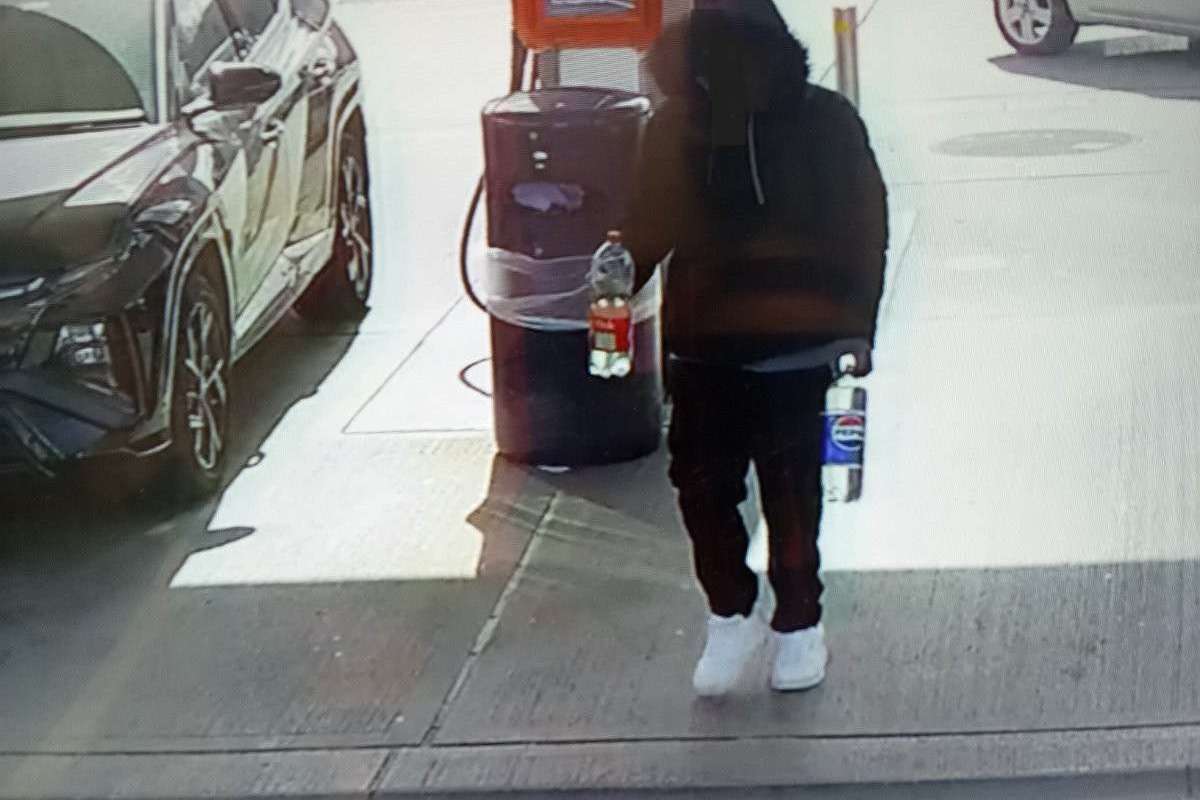

A surge in fuel theft across the UK is being driven by a wave of first-time offenders and financially distressed motorists, with new data showing a clear link between rising incidents and the onset of the Iran conflict.
Analysis from Forecourt Eye, based on approximately 500 petrol stations across England, Scotland and Wales, shows that fuel theft increased significantly immediately following the escalation of conflict from 28 February, which triggered a spike in global oil prices and rising costs at UK pumps.
The data points to a 10 per cent increase in daily theft incidents, alongside a 15 per cent rise in the volume of fuel stolen, but the most striking shift is not just in the volume of crime but in its nature.
Leeds-based Forecourt Eye, the UK’s leading fuel crime prevention and debt recovery platform, has seen a sharp increase in first-time offenders, with vehicles showing no prior history of theft accounting for a disproportionate share of the rise.
The data compares the 26 days of February leading up to the start of the conflict with the first 26 days of March, when global oil markets reacted sharply and UK fuel prices rose in response. It showed that first-time offender incidents increased by 15 per cent with fuel volume linked to these incidents rising by 20 per cent.
At the same time, there has been a significant surge in what the fuel industry describes as “No Means of Payment” (NMOP) incidents, where drivers fill up and then inform staff they are unable to pay.
Across the 500-site sample, NMOP incidents rose by 22 per cent with the fuel volume in these cases increasing by a significant 37 per cent. By contrast, traditional “drive-off” thefts, where offenders leave without paying, rose by just six per cent.
Michelle Henchoz, Managing Director at Forecourt Eye, said: “The shift since the conflict suggests that fuel theft is becoming less evasive and more visible, with individuals increasingly remaining on-site rather than attempting to flee.
"What we’re seeing is not just more fuel theft, but a different kind of behaviour that shows a clear increase in first-time offenders and in people who aren’t attempting to flee, but instead are declaring they cannot pay.
“The data suggests this may reflect growing financial pressure, with more drivers filling full tanks rather than taking small amounts. It highlights how quickly global events can have a direct and visible impact on everyday life in the UK.”
She added: “This shift in behaviour is creating new challenges for petrol station operators, and in particular front-line staff who are dealing with increasing incidents of aggression where customers are venting their frustration at rising prices at the till.”
The Numbers Behind the Trend
- February vs March 2026 (approx. 500 UK forecourts in England, Scotland and Wales):
- Daily incidents: +10 per cent
- Daily fuel volume stolen: rising from 5,701 litres to 6,565 litres = +15.7 per cent
- Daily total value of theft: rising from £8,378 to £10,652 = +27.4 per cent
The increase in fuel volume outpacing the rise in incidents indicates that offenders are, on average, taking larger quantities of fuel, suggesting necessity rather than opportunism.
A Wider Indicator of Economic Pressure
While fuel theft has long been a challenge for the sector, the current data points to a broader shift linked to economic conditions.
The rise in first-time offenders and the growth in NMOP incidents may reflect increasing financial strain on households, particularly as essential costs such as fuel rise in response to global events.