



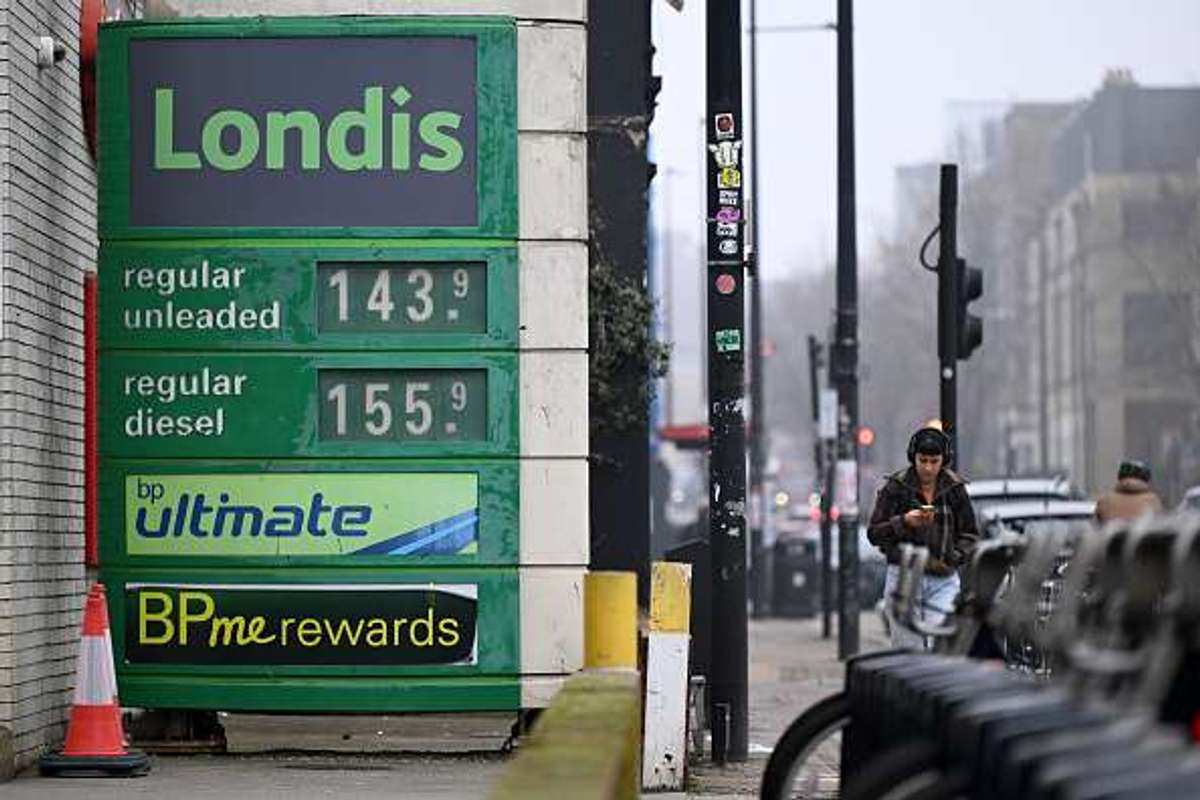

Forecourt operators are facing a dual threat this week of surging oil prices driven by the war in the Middle East, and absorbing the hostility following ministers' "inflammatory language", leading to a rise in staff abuse.
The Petrol Retailers Association (PRA), which speaks for independent fuel retailers across the UK, threatened to withdraw from an emergency Downing Street summit on Friday before ultimately attending after receiving assurances the meeting would be held largely in private.
The stand-off came after days of ministers using terms such as 'price gouging' and 'ripping off' motorists in public statements about rising pump prices.
Staff Abuse Linked to Government Rhetoric
PRA executive director Gordon Balmer stated plainly that the rhetoric is having real-world consequences on the forecourt. He reported that member retailers had told him of staff being verbally abused by customers who had been inflamed by the characterisation of petrol stations as profiteers.
"Our members are working hard in difficult circumstances making sure that motorists and businesses are getting the fuel they need at prices that are very competitive, on razor-thin or in some cases negative margins, which means they are losing money," the BBC quoted Balmer as saying.
The association's position is that the independent forecourt sector is being scapegoated for a global supply crisis rooted in geopolitical conflict, not local pricing decisions.
Following the talks, Balmer described the meeting as "constructive," but confirmed there had been no ministerial apology for the language used. For retailers, that may be small comfort if the abuse of staff continues.
The Market Reality: A Crisis Not of Retailers' Making
The backdrop to all of this is a global oil market under severe stress. The US-Israeli war on Iran, which began on 28 February, has effectively shut down tanker traffic through the Strait of Hormuz, a chokepoint through which around one-fifth of the world's oil and gas normally passes.
Iran's Revolutionary Guard has threatened to block the waterway entirely, and drone strikes on tankers have continued, with multiple vessels hit in recent days.
At the pumps, the RAC reports that the average price of petrol has risen by around 8p per litre since the crisis began, reaching its highest level in 18 months, while diesel has climbed by close to nine per cent in the same period.
Chancellor Rachel Reeves used Friday's meeting to tell industry executives that there is a "shared obligation" to keep prices down, while Energy Secretary Ed Miliband warned he would not tolerate "unfair practices." Executives from Asda, BP, ExxonMobil and Shell were among those in the room.
Reeves has also written to the Competition and Markets Authority asking it to be on "high alert" for unjustifiable price rises across petrol, diesel and heating oil, and the CMA has placed the sector "on notice" of stepped-up monitoring.
Fuel Finder scheme, developed collaboratively between the PRA and government, allows consumers to compare prices at local forecourts.
However, the Chancellor has so far resisted industry calls to reverse a planned fuel duty increase.
The 5p-per-litre cut introduced in 2022 is set to be phased out, with a 1p rise in September 2026 followed by a further 2p in December and a final 2p in March 2027. With margins already wafer-thin, retailers will be watching closely to see whether the government moves on that point as the crisis deepens.