




Technology will become even more deeply embedded in retail decision-making in 2026, with electronic shelf-edge labels, in-store digital media and AI-driven pricing among the key trends shaping the year ahead, according to new insights from Retail Express.
The merchandising solutions provider says electronic shelf-edge labels (ESELs) are set to move firmly into the mainstream, as major retailers shift from trials to full-scale rollouts. While ESELs bring clear operational benefits by reducing manual price changes, Retail Express says their real value lies in enabling dynamic, data-driven pricing strategies. By removing delays between pricing decisions and execution, ESELs support stronger margin control while improving the customer experience.
In-store digital media is also expected to reach a tipping point in 2026, following rapid rollout across UK grocery. With Morrisons recently announcing digital advertising screens in 300 stores, Retail Express predicts growing competition for premium, targeted ad placements. For retailers, the challenge will be linking shopper data with operational workflows to maximise both engagement and advertising revenues.
Retail Express also points to the “beginning of the end” for the traditional barcode. While barcodes have underpinned retail for more than five decades, pilots by global players including Walmart, Amazon and PepsiCo suggest a shift towards QR code-based systems that can hold far richer information. These could give shoppers instant access to nutritional, ethical and usage details, while retailers gain real-time data on provenance, freshness and supply chain performance. However, the company cautions that widespread adoption is unlikely before 2027, with 2026 expected to be a year of expanded trials.
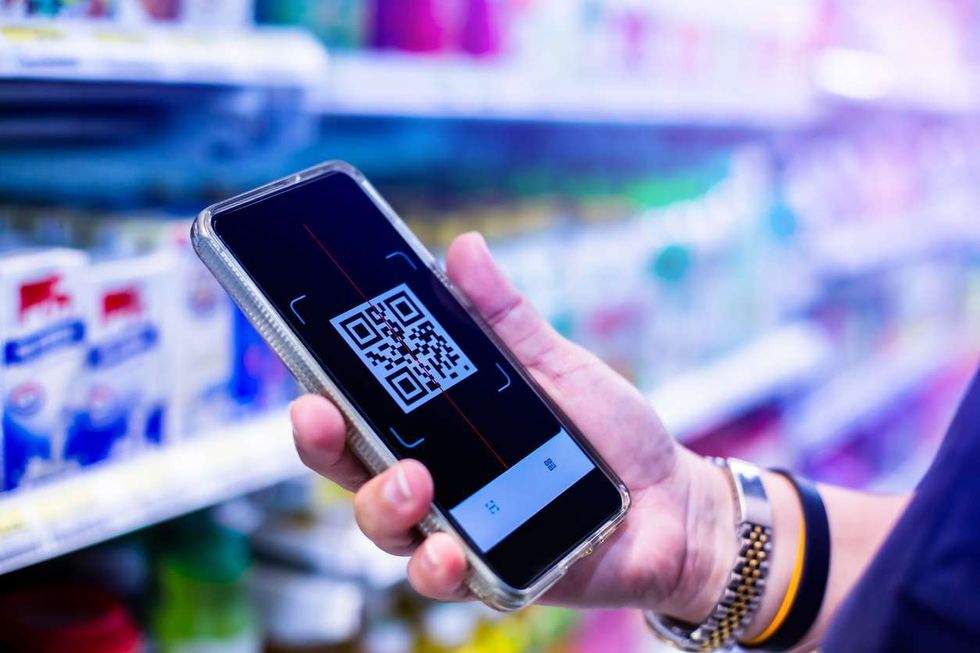 Photo: iStock
Loyalty schemes are meanwhile set to become far more personalised. While simple points-based models will remain, Retail Express says data-driven, hyper-personalised rewards will increasingly define customer retention strategies. Inspired by initiatives such as Waitrose’s ‘Little Treats’, retailers are expected to use customer insight to deliver highly targeted offers and gifts designed to strengthen emotional loyalty.
Finally, Retail Express believes 2026 will mark the point at which AI “reaches equilibrium” in retail. As AI tools become standard rather than novel, predictive analytics, machine learning and automated decision-making will play a growing role in forecasting, pricing and promotions. Retail Express highlights its own Promotion Optimisation & Automation tools as an example of how AI can analyse large datasets to optimise pricing and promotional timing.