



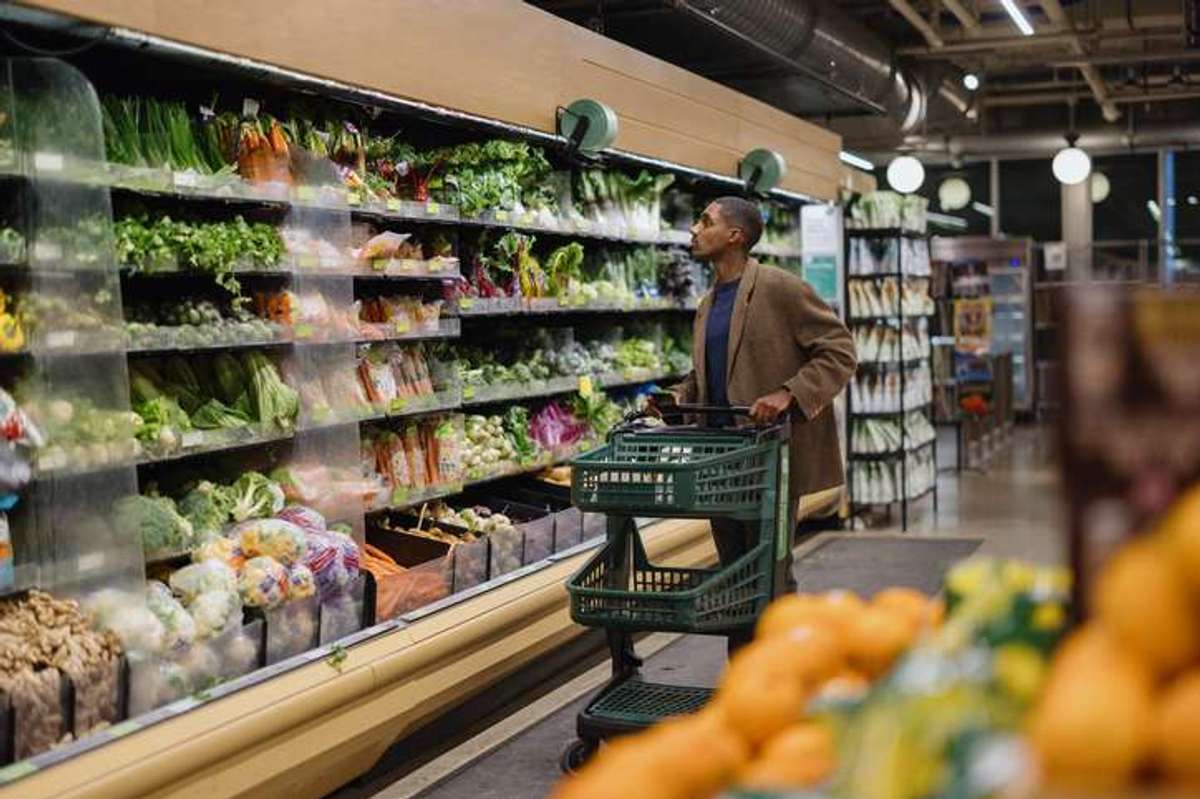

UK stores are increasingly turning to imports from Spain and the Netherlands after drought and prolonged high temperatures severely reduced domestic vegetable production, pushing wholesale prices sharply higher.
Growers across the UK have warned that this year's extreme weather is cutting yields of key crops including broccoli, lettuce, tomatoes, potatoes, peas and carrots, raising concerns over food supply and prices.
According to industry figures, wholesale tomato prices have risen by more than 60 per cent, iceberg lettuce by around 90 per cent and potatoes by more than 40 per cent as hot, dry conditions continue to affect production. Even farms with irrigation systems are reporting dwindling water supplies.
Broccoli has been among the hardest-hit crops, with some growers reporting yields have halved.
David Simmons, a Cornwall grower and board member of the Brassica Growers' Association, said domestic supplies have become so tight that wholesalers are sourcing broccoli from Spain and the Netherlands during what is normally the peak UK growing season.
"We are having to put two heads of broccoli together to make the weight the pack is sold in," The Guardian quoted Simmons as saying.
"The UK is very short at the moment, so it's being imported from Spain and Holland to try to cover the orders. Cauliflowers could go short in the next couple of weeks - we can see that being the next issue."
Pea production has also been hit, with the English harvest expected to be around one-third lower than normal.
Stephen Francis, of Fen Peas, which represents 60 Lincolnshire growers, said farmers are increasingly considering crop varieties better suited to warmer climates but will also require investment in water storage infrastructure to adapt to changing weather patterns.
The effects are being felt across the supply chain.
Tim O'Malley, chairman of fresh produce wholesaler Nationwide Produce, said sourcing vegetables from Spain during the British summer is highly unusual but has become necessary due to poor domestic availability.
"It is worse than the public realise. We are running out of water," he said. "Last week we did something very unusual and went back to Spain. They have got hot weather but they are more used to farming in these conditions."
Leafy vegetables, broccoli and iceberg lettuce have been particularly affected, while tomato production in the Netherlands and Belgium, two of the UK's major suppliers, is also beginning to suffer from sustained high temperatures, resulting in smaller and damaged fruit.
Carrot growers have also warned of significant challenges.
Rodger Hobson, who produces around 30,000 tonnes of carrots annually in Yorkshire, described the current season as the worst his business has experienced.
"It's heartbreaking and wallet-breaking," The Guardian quoted Hobson who added that crops were "wilting on their feet".
According to Hobson, carrot plants begin to shut down when temperatures exceed 25°C and start dying when temperatures climb above 30°C.
The reduced yields could leave the UK facing shortages of domestically grown carrots earlier than usual next spring, increasing reliance on imports. The potato sector is also expecting lower production this season.
Scott Walker, chief executive of GB Potatoes, said both UK and European crops have been affected by the heatwave, limiting supply.
"We are not expecting as much as we have had in recent years," Walker said.
He added shoppers may notice greater variation in potato sizes on supermarket shelves later this year.
The concerns extend beyond individual crops.
More than 100 organisations, including major retailers Tesco, Sainsbury's, Waitrose and Aldi, alongside food manufacturers and wholesalers, have written to Greater Manchester Mayor Andy Burnham warning that extreme weather and wildfires are posing an increasing threat to the UK's food security.
The coalition has called for food resilience to become a national priority and urged greater investment in measures that reduce reliance on imports.
Meanwhile, the Agriculture and Horticulture Development Board (AHDB) has reported that exceptionally hot and dry weather has led to the UK's earliest cereals harvest in at least two decades.
Farmers are now calling on the government to accelerate support for on-farm reservoirs and water storage projects, arguing that storing winter rainfall will be critical to maintaining domestic food production as climate conditions become increasingly unpredictable.
Many growers say the high cost of building reservoirs, combined with lengthy planning approval processes, is preventing the sector from making the investments needed to improve long-term resilience.