



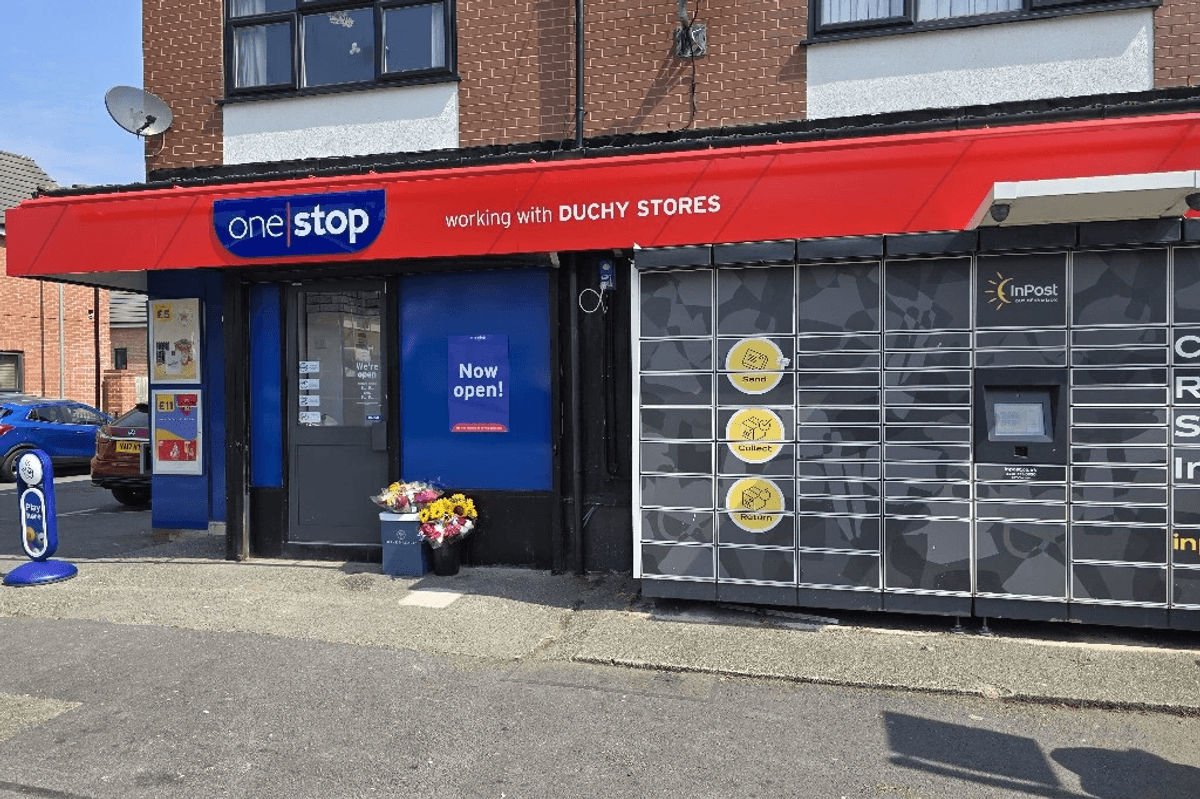

A leading convenience retailer in Salford, Manchester recently switched his store from Parfetts’ Go Local to the One Stop Franchise after 35 years in the convenience trade, saying he felt his business was no longer receiving the level of support needed to unlock its next stage of growth.
Retailer Amit Patel said the decision to leave Go Local was not taken lightly, but that he felt his business had reached a point where it needed “fresh ideas and additional direction” to continue growing.
Speaking to Asian Trader, Patel said, “After 35 years in the industry, we felt it was time to make a change and move our store over to the One Stop Franchise.
"It wasn’t a decision we took lightly, but ultimately we felt our efforts and ambition for the business were no longer being fully supported.
We had reached a point where, physically, there was only so much further we could take the business in terms of sales without some fresh ideas and additional direction. Whenever we asked for advice on how we could progress, the response was often simply, “keep doing what you’re doing.”
"While that may be well-intentioned, we felt we needed more practical business advice and fresh thinking."
Patel also said the level of RDA support from his previous symbol group had declined over time.
He said, "Initially, the RDA support we received from our previous symbol group was very consistent, but over time that support began to fade."We also started to feel that some of the successes we were achieving through our own initiatives were being used to promote the wider group."We were happy to be part of the group and accepted this for some time, but it became increasingly frustrating when new product launches and activations that we had developed directly with brands appeared to be presented as wider group activity.
"This became particularly noticeable when, following one of our launches, we were contacted by the marketing team asking for images to promote the activation on their LinkedIn page, despite the activation having been supported directly by the brand rather than the symbol group."
Since moving to One Stop, Patel said the store has recorded an increase in sales, average basket spend and customer numbers.
He added that the store now has more of a “mini-supermarket feel”, while the operational side of the business has also become easier for staff to manage.
A key difference, according to Patel, has been the support provided by his One Stop BDM.
"Before visiting, they have already looked at our store data and can identify areas where we can improve. They then walk the store with us and give practical, hands-on advice from adjusting planograms and reviewing ranges, to delisting slower-moving products and making space for products with greater potential," Patel said.
Patel described how the day-to-day running of the store has also become easier after joining One Stop.
"There is less physical work involved and more is managed through the system, which has made things much more straightforward for both myself and the staff.
"Even price changes are more structured, with set days for printing and changing shelf labels rather than constantly having to monitor individual price changes and ensure everything remains accurate.
"Most importantly, my staff have embraced the change and have found the store much easier to manage. For us, moving to One Stop has been about more than simply changing the fascia — it has given us a fresh approach, better practical support and the opportunity to continue developing the business rather than feeling that we had reached our ceiling.
"We may have 35 years of experience behind us, but we still want to learn, adapt and grow. For us, that is what the move to One Stop has enabled us to do."