



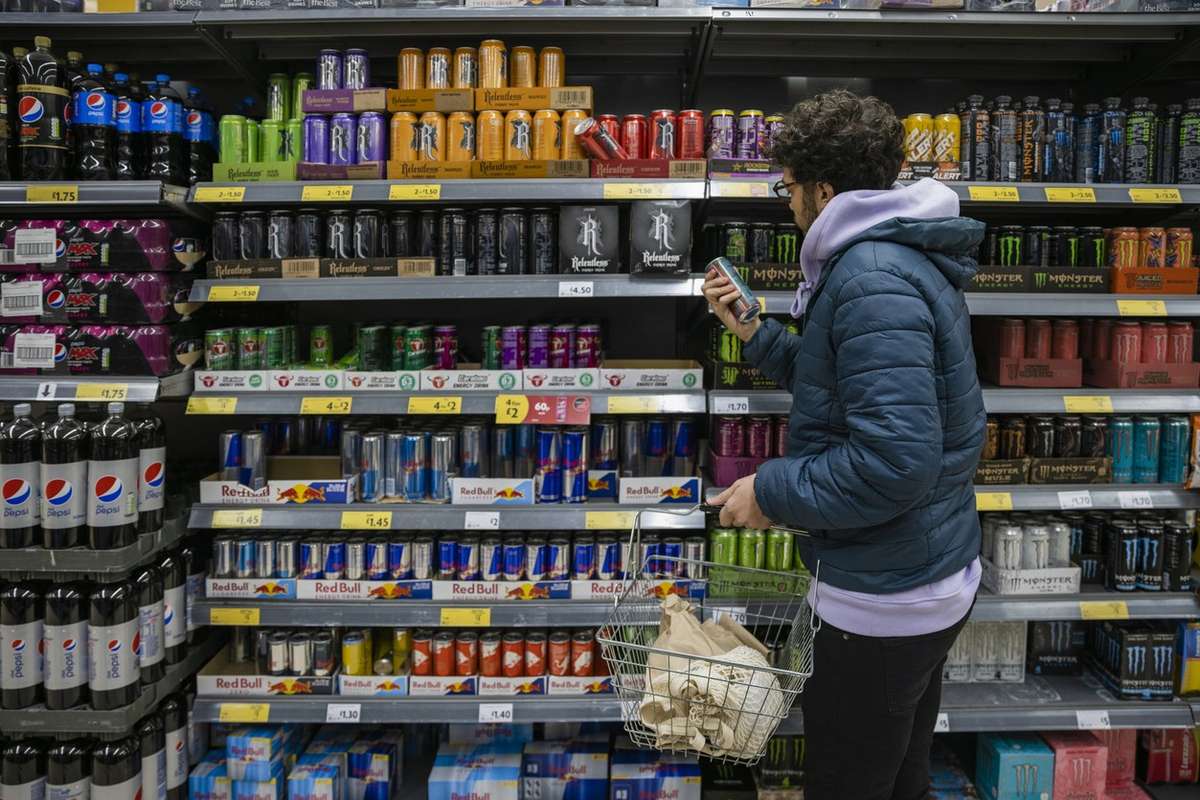

Health campaigners and academics have intensified pressure on the government to deliver its long-promised ban on the sale of high-caffeine energy drinks to children, warning that nearly 280 million cans have been sold since ministers pledged action in the 2024 King's Speech.
In an open letter published ahead of the 700th day since the commitment was made, the coalition accused the government of delaying legislation despite growing evidence of the drinks' harmful effects on children's physical and mental health and widespread public support for tighter restrictions.
The signatories are urging the Prime Minister to act now and deliver a lasting public health legacy by introducing legislation without further delay.
An estimated 280 million energy drinks - around 300 per minute, or 5 drinks per second - have now been sold since the Government promised to ban direct sales to children. High-caffeine energy drinks are already required to carry warning labels saying “Not suitable for children”. Many supermarkets already voluntarily restrict sales to under-16s, but they are still widely sold to children by other shops and cafes.
Despite concerns over their health impacts, the market for energy drinks has boomed, recently overtaking cola as the UK’s largest soft drinks category, yet promised protections for children remain undelivered.
Speaking on yesterday’s Radio 4 Today Programme, Jamie Oliver said: “First and foremost, the government is dragging their heels (…), they said in the King’s Speech, they would ban the sale of energy drinks to children (…), that he would put kids first. All the homework is done.”
“When you talk to the people who understand the brain development of children, they are baffled why caffeine stimulants are being sold to children. And it’s become normal.”
In an open letter to the press, Jamie Oliver, Bite Back, Sustain: the alliance for better food and farming, Action on Salt & Sugar, the British Dental Association, and the Association of Directors of Public Health warn that continued inaction is putting children’s health at risk.
The letter highlights clearly evidenced concerns about negative physical and mental health impacts of high caffeine and sugar consumption, including increased heart rate, higher blood pressure, dental decay, anxiety and disrupted sleep - particularly affecting children during key exam periods, such as pupils currently taking GCSEs or other end-of-year assessments.
Despite the Prime Minister’s pledge to “always take the tough decisions necessary to keep our children healthy,” campaigners express frustration that a hugely popular public health policy, backed by parents, teachers and major retailers, has not been delivered.
The case for action is overwhelming:
- Teachers rank excessive energy drink consumption among their top concerns for pupils, even above some illegal substances.
- Eight in ten parents support restricting sales to children.
- Retailers themselves have called for regulation to ensure a level playing field.
Jamie Oliver, Chef and Child Health Campaigner, said, "I genuinely can't believe we're still having to talk about this. The Government promised to ban the sale of energy drinks to children, yet here we are — two years and 280 million cans consumed by kids later — and nothing.
"We know that these products are bad for children - they have no place in a child's backpack, alongside their breakfast, or keeping them company through an exam.
"Come on, Prime Minister. Put kids first. Keep your promise.”
Alice, 18, Bite Back youth activist, said: “For years, my friends and I in the Bite Back youth movement have campaigned for action on energy drinks. Last year felt like a real breakthrough. We sat down with ministers, shared our experiences and were told that protecting children from these products was the right thing to do and that action would follow.
"That’s why it’s so disappointing to still be waiting almost two years later. While government delays, energy drinks remain everywhere in young people’s lives – promoted by influencers, linked to sport and sold on the journey to and from school. Young people kept our side of the bargain by speaking up and taking part in the consultation. Now we want the government to keep its promise and finally get this ban over the line.”
Charlotte Harrison, Senior Safeguarding Consultant, said: “Protecting children from avoidable harm is one of the most basic and fundamental safeguarding responsibilities. That is hard to reconcile with the continued sale of high-caffeine energy drinks to children, despite clear evidence of the harm they can cause to young people's mental wellbeing, physical health and learning.
"As a safeguarding consultant and former teacher, I fully support the proposed ban on the sale of these products to under-16s. The government has repeatedly recognised the risks, promised to take action, and yet nothing has changed.
"In schools, we see the impact every day. Energy drinks affect concentration, behaviour, sleep and wellbeing, making it harder for young people to learn and thrive. The evidence is clear, and action is long overdue.
"The government made a promise to put children's health first. It is time to keep that promise and finally introduce this ban.”
British Soft Drinks Association however stressed that its members are not targeting under-16s.
A British Soft Drinks Association spokesperson told Asian Trader, "BSDA members do not market energy drinks to under-16s and have consistently promoted responsible retailing and clear labelling.
"Regulatory authorities, including the European Food Safety Authority, have repeatedly confirmed the safety of energy drink ingredients.
“Industry has engaged constructively with Government throughout discussions on potential restrictions and continues to back proportionate, evidence-based policy.”
The Full Letter and Signatories
Jamie Oliver, Chef and Child Health Campaigner
Barbara Crowther, Children’s Food Campaign Manager, Sustain
Katharine Jenner, Executive Director, Obesity Health Alliance
Dr Kawther Hashem, Senior Lecturer in Public Health Nutrition at Queen Mary University of London
Sonia Pombo, Head of Research & Impact, Action on Salt & Sugar
Dr Giota Mitrou, Executive Director of Research and Policy, World Cancer Research Fund
Dr Robin Ireland, Honorary Research Fellow, University of Glasgow
Dr Matthew Philpott, Executive Director, Health Equalities Group
Eddie Crouch, Chair, British Dental Association
Liz Stockley, CEO, British Dietetic Association
Greg Fell OBE, President of the Association of Directors of Public Health
Professor Sheena Ramsay, Director of Fuse, the Centre for Translational Research in Public Health
D’Arcy Williams, CEO, Bite Back 2030
J. Paul Wright, CEO, Alliance 4 Children