



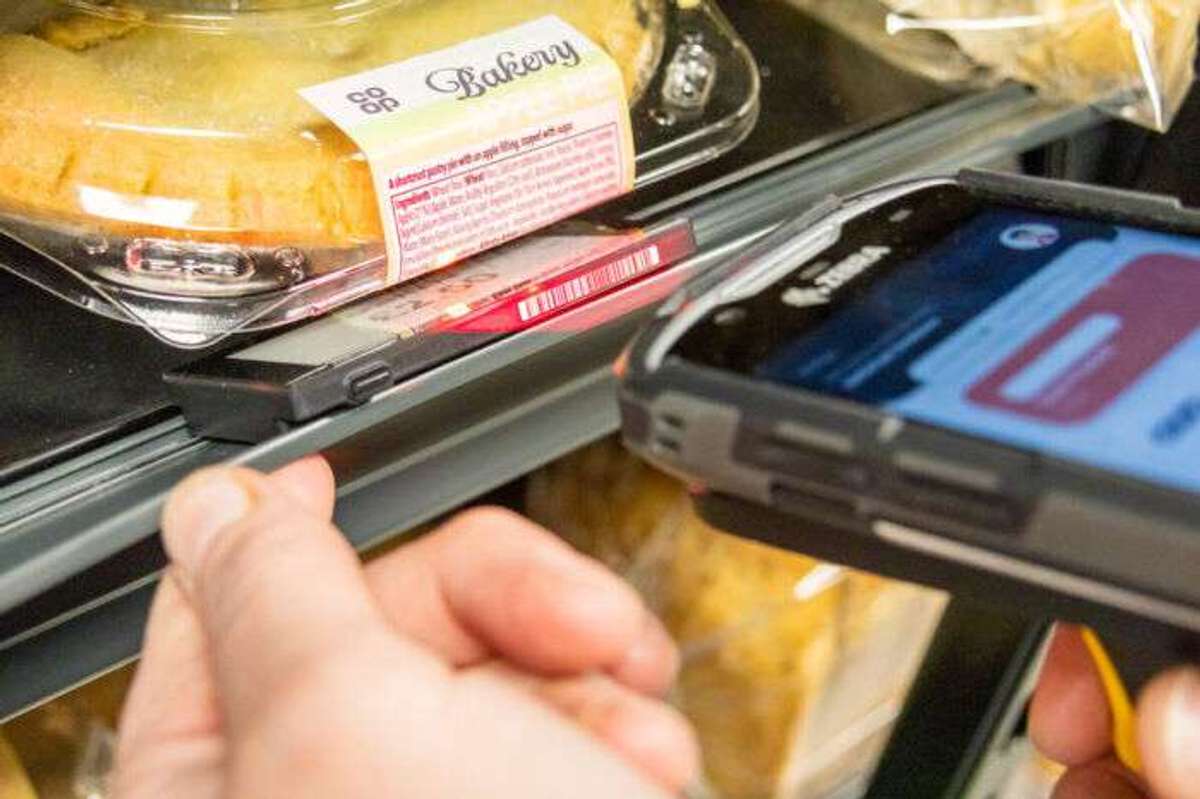

Electronic shelf labels (ESLs) are reshaping how grocery and convenience retailers manage pricing, stock visibility and in-store efficiency – but industry experts are urging caution around how far and how fast dynamic pricing is deployed.
Web data access and automation platform Decodo says the technology makes real-time price updates technically achievable, yet warns that customer perception and operational complexity mean retailers must tread carefully.
Vaidotas Juknys, chief commercial officer at Decodo, said ESLs are already transforming store operations, but highlighted the practical challenges of applying dynamic pricing at scale.
“Electronic shelf labels are changing the way supermarkets manage pricing, stock, and efficiency. While dynamic pricing is technically feasible, the sheer scale of grocery assortments and the transparency expectations from shoppers make it a complex challenge,” he said.
Juknys added that with grocery margins under constant pressure, automation needs to be handled sensitively. “A sudden jump from £2.99 to £3.99 while a shopper is still in the aisle could spark confusion, frustration, and even damage trust in the brand. Real-time pricing works best when it’s predictable, transparent, and doesn’t catch customers off guard.”
Drawing on lessons from online grocery, Gabriele Vitke, senior product marketing manager at Decodo, pointed out that even digital-first retailers avoid overly frequent price changes.
“Even in the online grocery world where prices could theoretically change every hour, successful retailers hold steady for 3-4 days between changes,” she explained. “They’ve figured out that crossing below this threshold, changing more often than every three days flips a switch in customers’ minds. Suddenly, you’re not running promotions, you’re playing games. This is the lesson for physical stores with digital tags: having the ability to update prices instantly doesn’t mean you should.”
Vitke noted that dairy products in online marketplaces average around 4.1 days between price changes, suggesting a practical benchmark for physical retail. She also stressed that dynamic pricing is not always about increases.
“Here’s what the online data reveals: about half of all price changes are actually decreases – real deals for customers. But if you ask shoppers, most assume dynamic pricing only means one thing: higher prices when stores think they can get away with it,” she said.
According to Vitke, bridging this perception gap will be critical as ESLs become more common in bricks-and-mortar convenience stores. She argues that digital labels should act as communication tools, not just optimisation tools.
“The best online grocers update prices at consistent times, let you see price history, and explain why changes happen. They’re not trying to hide anything. They turned the technology into something customers trust instead of something they resent. That’s the only way this works in a physical store where relationships matter even more.”
Momentum behind ESL adoption is already building across UK grocery and convenience. In December, technology provider Solum confirmed a partnership with Waitrose to deploy electronic shelf labels across its entire store estate, with the rollout due for completion in 2026. Meanwhile, Lincolnshire Co-op is rolling out ESLs across its 100-strong food store network as part of a £4m technology transformation programme, while Asda is introducing ESLs to 250 of its largest and busiest Express convenience stores following a successful trial earlier in 2025.