



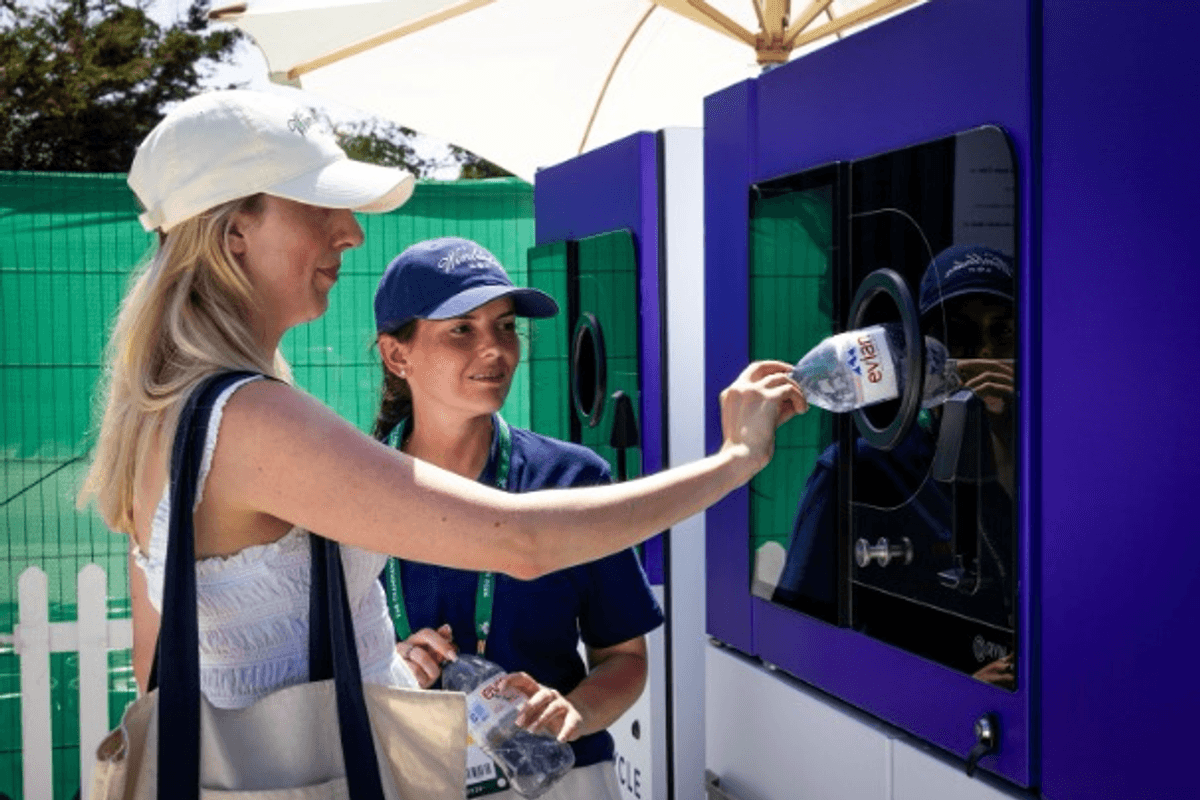

- More than two-thirds (68 per cent) of consumers would be likely to return drinks containers during a grocery shopping trip once DRS launches
- More than half (55 per cent) would be likely to spend a deposit refund voucher in-store during the same visit, while 61 per cent feel more positively about retailers offering recycling facilities
- With just over a year until DRS launches, Danone is supporting retailers in the UK through industry collaboration, international learnings and consumer trials
The research suggests DRS could deliver commercial gains for retailers alongside environmental benefits. More than half (55 per cent) of consumers say they would be likely to spend their deposit refund in-store during the same visit if issued as a voucher, while 61 per cent say they feel more positively about retailers that provide recycling or deposit return facilities.
Consumer appetite for the scheme is also high, with 65 per cent agreeing that a consistent UK-wide approach would help people recycle more and 64 per cent saying they would be likely to use return points regularly once they are introduced.
"The findings suggest consumers are ready to make recycling part of their everyday shopping routine,” said Dan Vass, Head of Category and Commercial Strategy, Danone North Europe. “For retailers, that creates an opportunity not only to support higher recycling rates, but also to drive shopper engagement, store visits and in-store spend.
"Having supported DRS in established markets, we've seen the value of early preparation and collaboration across the supply chain. As the UK prepares for launch, retailers and producers have an opportunity to work together to ensure the scheme is as simple and intuitive as possible from day one.”
As a founding member of the Deposit Management Organisation (DMO), Danone in the UK is helping shape the design and delivery of the scheme and supporting retailers with consumer engagement and implementation planning ahead of launch.
The UK’s DRS aims to mirror the success of Ireland’s scheme, where recycling rates for plastic bottles and drinks cans increased from 49 per cent to over 90 per cent, with more than three-quarters (78 per cent) of containers collected directly through the scheme.