



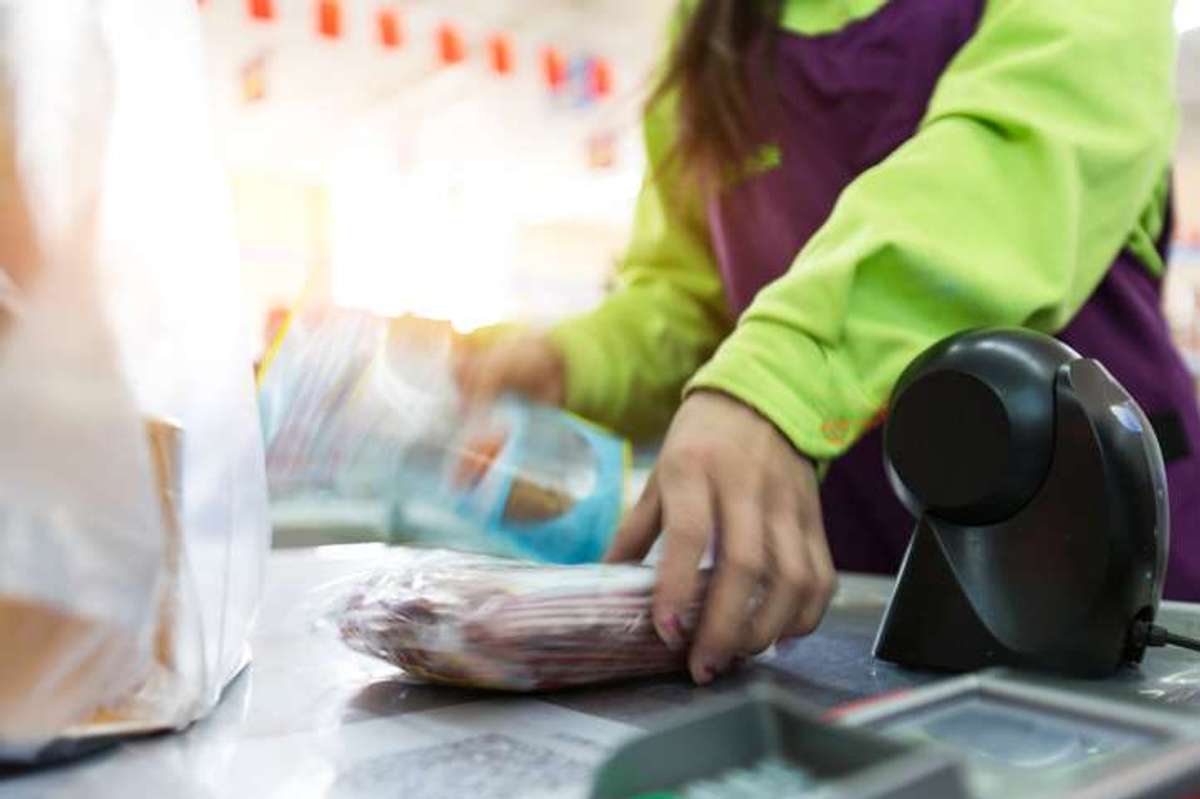

Modern slavery victims are being "exploited in plain sight" across the UK retail sector, including in convenience stores across the country, a latest report has found.
According to a new analysis by anti-slavery charity Unseen published on Tuesday (Sept 15), there has been a sharp rise in modern slavery reported within the UK retail sector between 2024 and 2025.
Cases reported to Unseen’s Modern Slavery & Exploitation Helpline increased from 33 to 65 over the period, while the number of potential victims identified more than doubled, from 100 to 201.
The findings are set out in Unseen’s latest report, Behind the counter: modern slavery in the retail sector, which examines exploitation across a range of retail settings.
These include independent convenience stores and local shops, as well as supermarkets and retail franchises, highlighting how modern slavery can occur across the UK high street.
The findings show that retail has become an increasingly significant setting for modern slavery. By 2025, it was the fifth most common industry for modern slavery cases reported to the Helpline.
In the first six months of 2026, a further 40 cases involving 84 potential victims were recorded, meaning retail accounted for 7% of all modern slavery cases reported to the Helpline during that period.
Skilled worker visas linked to vulnerability
The report identifies skilled worker visas as the most common route into exploitation in UK retail. Between January 2025 and June 2026, where immigration status was known, 55% of potential victims were reportedly on skilled worker visas.
The most common nationalities were Sri Lanka, Indian and Pakistani. Workers can become vulnerable because their immigration status is tied to their employer, with exploiters using threats around visa cancellation or reporting people to immigration authorities as a means of control.
Many workers reported being recruited to the UK with promises of skilled, well paid employment, only to find themselves in low paid roles, working excessive hours and subjected to financial control, threats and debt.
Financial control, threats and restricted movement
The forms of control reported were severe and wide-ranging. Of the potential victims for whom control methods were recorded, 69% experienced financial control, including withheld wages, deductions from salaries and debt bondage.
Around 66% experienced confinement or restricted movement, while 60% were living in accommodation tied to their employment. Almost a third were threatened with having their visa revoked or being reported to immigration authorities or the police.
Most of the modern slavery cases reported in the retail sector involved supermarkets and convenience stores. Where the type of retail business was known, these accounted for 69% of cases and 76% of potential victims.
Labour abuse also increasing
Alongside modern slavery, Unseen is also seeing widespread labour abuse in the retail sector. During the first half of 2026, 141 potential victims of labour abuse were indicated – already more than the 134 recorded across the whole of 2025.
The most common indicators were excessive working hours and failure to pay the National Minimum Wage.
Justine Carter, Deputy CEO at Unseen, said: “Modern slavery is often described as hidden, but in retail it is happening in places many of us visit every day. Behind the counter, people are being exploited in plain sight.
“In addition to the human suffering and human rights violations, failing to tackle the exploitation of foreign nationals also poses a significant risk to the UK retail sector itself. Where exploitative practices are allowed to persist, they can create an unfair competitive advantage for businesses prepared to cut costs by underpaying or abusing workers, while responsible employers face pressure to compete on an uneven playing field.
“The response needs to go beyond individual businesses. Government, enforcement bodies and the retail sector must work together to close the loopholes that allow exploitation to happen and ensure that workers understand their rights before they arrive in the UK.”