



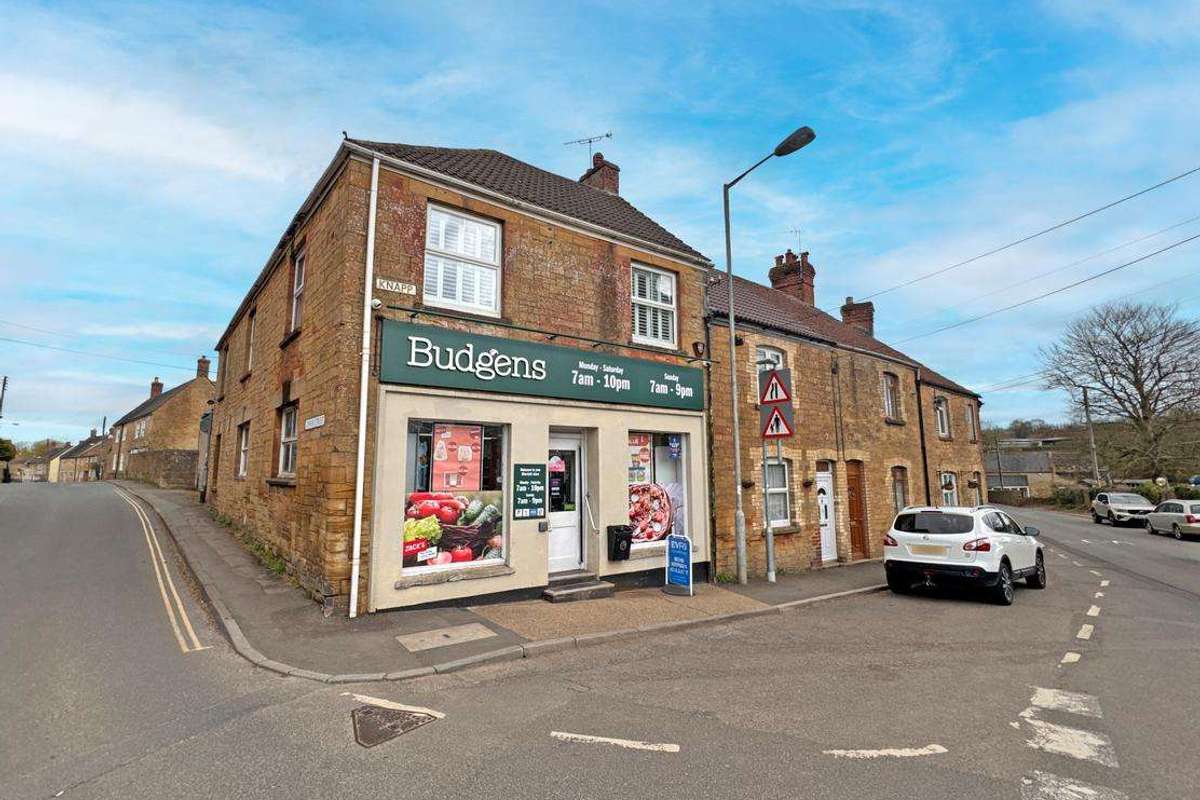

Demand for UK convenience stores and forecourts has strengthened sharply, with offers on retail businesses rising 26% in the first half of 2026 compared with the same period last year, shows a report released today (Sept 16).
The figures point to continued buyer confidence in the sector despite rising operating costs, labour pressures and a growing regulatory burden.
Specialist business property adviser Christie & Co has published Retail Market Review 2026 report which has insight into transaction activity, buyer demand, the trading environment, regulatory change and emerging opportunities across the UK's convenience store and forecourt sectors.
It also highlights a market underpinned by strong fundamentals, with both convenience stores and forecourts continuing to demonstrate adaptability despite high operating costs, labour challenges and regulatory change.
STRONG DEMAND DRIVING TRANSACTION ACTIVITY
Whilst it faces challenges common to all retail, the convenience store market remains one of the most active retail subsectors in the UK, supported by needs-based consumer spending, the continued growth of top-up shopping missions, and the vital role local stores play within their communities.
In the first half of 2026, Christie & Co sold more than 100 retail businesses, averaging four completed transactions every week, and in the convenience store market, independent owner-operators remained the dominant buyer group, accounting for 65% of acquisitions completed by Christie & Co.
In the forecourt market, demand continues to be driven by resilient fuel volumes, strong convenience retail performance and the evolution of sites into broader roadside retail destinations offering food-to-go, parcel services and electric vehicle charging facilities.
Demand remained strongest for high-quality freehold forecourt assets and established roadside retail destinations combining fuel, convenience retail and foodservice.
Freehold assets accounted for 73% of forecourt transactions completed by Christie & Co in H1 2026 reflecting the continued interest in the underlying property.
OPERATORS ADAPTING TO A CHANGING LANDSCAPE
While market confidence remains relatively high, retailers continue to face significant challenges including labour costs, staffing shortages and rising compliance requirements.
The report examines several regulatory developments set to impact operators, including the Tobacco and Vapes Act, the Deposit Return Scheme, and restrictions on energy drink sales to under-16s, presenting both challenges and opportunities for operators over the months ahead.
At the same time, businesses are increasingly embracing technology and AI-powered solutions to improve operational efficiency, manage costs and enhance the customer experience.
Crime and security remain major concerns across the sector, with retailers investing heavily in measures such as CCTV, body-worn cameras, ANPR technology and enhanced loss-prevention systems to protect staff, property, and profits.
The increased time and resources required to manage add further management costs for businesses, creating additional inflationary pressures at a time when the government is seeking to bring inflation under control.
THE FUTURE OF CONVENIENCE STORES AND FORECOURTS
The review outlines that well-invested businesses with a strong local presence, diversified income streams, and clear growth strategies are best placed to succeed, and continue to attract significant buyer interest.
For convenience stores, growth is expected to be driven by food-to-go, home delivery, parcel services and community-led retailing along with cost control measures. Investment in forecourts including EV charging where appropriate, and an enhanced convenience offer is expected to remain a key driver of value creation.
Steve Rodell, Managing Director - Retail & Leisure at Christie & Co, said, “The confidence we are seeing from purchasers reflects the essential role that both convenience stores and forecourts play within communities and infrastructure across the country. These businesses continue to benefit from strong local customer loyalty, and increasingly diverse revenue streams that extend beyond traditional retail and fuel sales.
“Looking ahead, we remain optimistic about the outlook for both subsectors. Whilst challenges undoubtedly remain, particularly with several major new initiatives and regulations set to impact operators in the coming months, the market fundamentals underpinning convenience retail and forecourts are as strong as ever.”