



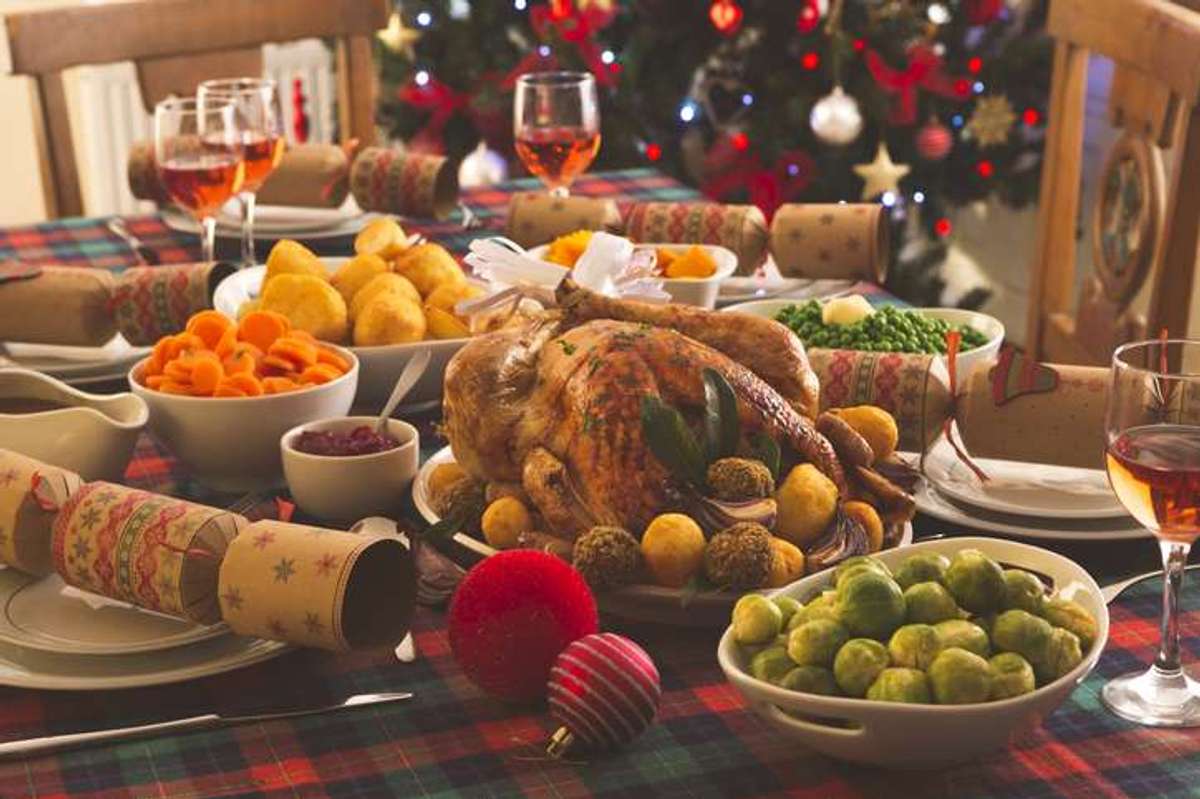

Food and drink brands sit at the emotional heart of Christmas in Britain – and new research suggests that role has never been more commercially or culturally important.
The Great British Christmas 2025 Survey – a major new nationwide study jointly created and curated by Richmond & Towers and Possibility? – reveals that while Christmas spending, gifting and celebration are increasingly fragmented, the shared Christmas meal has become the single most consistent source of joy, meaning and memory across the population.
Food is the emotional centre of Christmas Day
Despite years of gift-led advertising and ever-louder festive messaging, the research shows that Christmas is remembered not for presents, but for presence – and food.
When asked about the best part of Christmas Day:
- 46% said simply being together
- 29% cited the Christmas meal
- Only 8% mentioned presents
For food brands, this positions the shared meal not as a supporting act, but as the emotional climax of the day – the moment when effort peaks, pressure drops, and togetherness finally happens.
“Food is where Christmas stops being performative and starts being real,” said Matt de Leon, Managing Director at Richmond & Towers. “Our research shows that everything builds towards that moment when people sit down together. Brands that help that moment go smoothly – reliably, calmly and without stress – are doing far more than selling products. They’re shaping how Christmas is remembered.”
Pressure is real – and food is where it concentrates
While Christmas joy still dominates overall, the research highlights that food is also one of the biggest sources of pressure. More than four in ten people (42 per cent) found Christmas financially stressful, while 33 per cent felt under pressure to spend more than they could comfortably afford.
Hosting amplifies this tension. Over a quarter of respondents cited cooking, timing meals and managing expectations as the hardest part of Christmas Day – particularly among women, single parents and those hosting extended family.
Yet the data also reveals something crucial for brands: stress peaks before the meal, not after it. Two-thirds of people say they feel confident they can manage the cost of Christmas once it’s over, suggesting anxiety is driven by decision-making, not regret.
Tradition holds – but flexibility is rising
Classic Christmas foods still dominate. Roast turkey, roast potatoes, pigs in blankets and traditional puddings remain central, particularly among older consumers and family households.
However, the research shows a quiet but important shift among younger adults and child-free households. Under-35s are significantly more open to:
- Alternative proteins and non-traditional meals
- Blended cultural menus
- Lighter, less alcohol-centric celebrations
Non-alcoholic festive drinks also over-index among younger adults and higher social grades, reflecting a broader redefinition of indulgence that includes moderation as well as excess.
For supermarkets and manufacturers, this signals a need to protect tradition without enforcing uniformity.
“People aren’t rejecting Christmas food rituals,” said Nick Rabin, Managing Director at Possibility?. “They’re editing them. Brands that allow flexibility within tradition – rather than forcing a single ‘correct’ version of Christmas – will feel far more relevant.”
Eating out is the first thing to be cut
When consumers were asked what they would cut back on first if festive spending needed to be reduced, eating out topped the list at 29 per cent, well ahead of gifts (17 per cent).
This makes food-at-home the most resilient part of the festive economy – but also places greater responsibility on retailers and brands to deliver value, reliability and emotional reassurance.
Year-on-year, eating and drinking out showed a clear split:
- Younger adults and partnered families were more likely to spend more than last year
- Older consumers and single households were more likely to cut back
The Christmas table is clearly becoming even more important as discretionary spend elsewhere tightens.
Sustainability is becoming a hygiene factor
Environmental concern is present but uneven. 45 per cent say they tried to make more environmentally responsible choices, rising to nearly 60 per cent among under-35s and families with young children.
More tellingly, 56 per cent were consciously trying to reduce waste, making waste reduction a mainstream aspiration rather than a niche behaviour.