



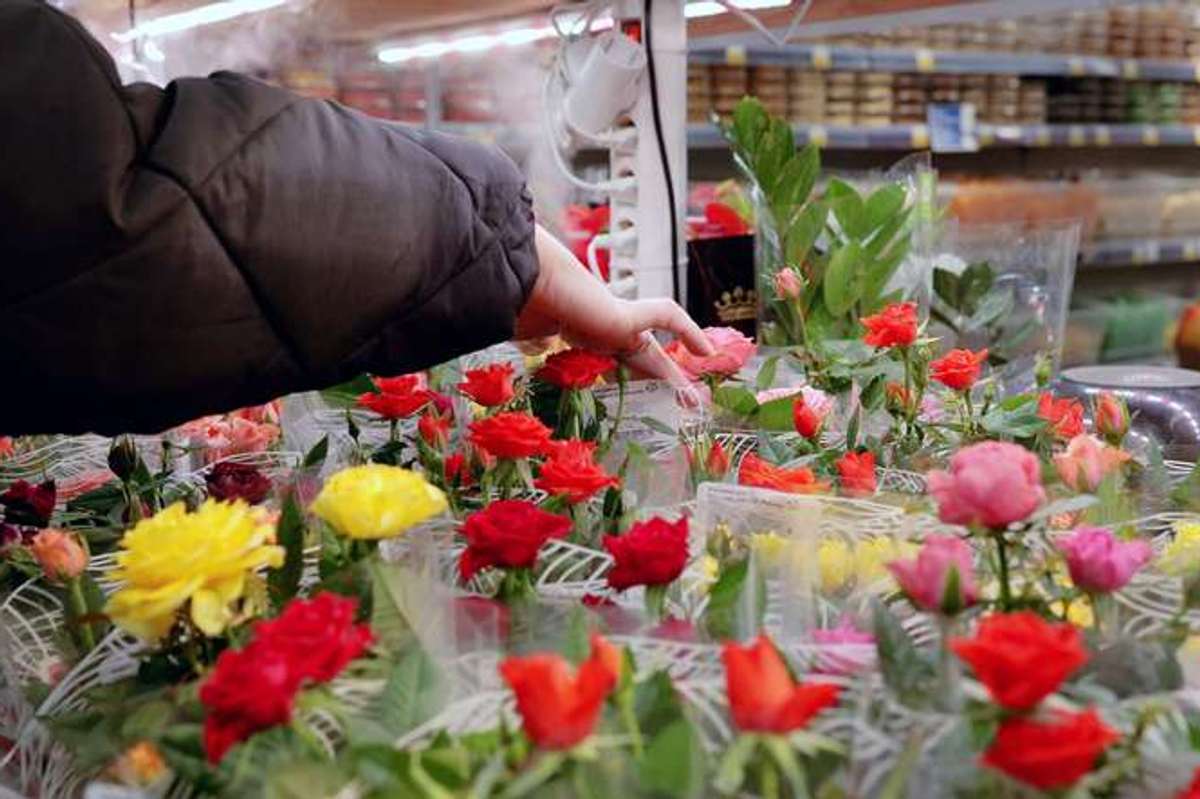

Valentine’s Day has given the 2026 retail events calendar a strong opening, with shopper spend forecast to rise 12 per cent to £1.6 billion with major growth expected in non-alcoholic drinks, beauty products, and flowers, bringing a timely boost for convenience retailers looking to drive early-year sales.
According to the the latest analysis (carried out across 1,000 UK shoppers) from leading retail and shopper marketing agency, Savvy, 42 per cent of UK shoppers plan to celebrate Valentine’s Day in 2026.
Valentine’s Day shoppers are showing a clear willingness to spend more, while remaining highly price-aware. Two-thirds (68 per cent) say they are prepared to trade up to premium food or drink for the occasion, and 66 per cent say they are happy to spend more to make the day feel special.
However, this appetite for premium does not come at the expense of value. A matching 68 per cent say they will actively look for discounts or offers on food and drink in the run-up to February 14th.
For most Valentine’s shoppers, the occasion remains an at-home event rather than a night out. Over three-quarters (77 per cent) plan to celebrate at home with their partner, and 73 per cent say they will buy a special meal or drinks.
When asked what they would most like to see from their store in the run-up to Valentine’s Day, nearly half (49 per cent) said they will be looking for the ever-popular Valentine’s meal deal.
This year’s Valentine’s Day is the first major seasonal event to be influenced by the new HFSS regulations, which ban less healthy food products from paid-for online advertising and introduce a 9pm TV watershed.
Valentine’s Day continues to evolve beyond its traditional focus on romantic couples, with demand broadening from Galentine’s celebrations to pet gifting, and shoppers increasingly open to exploring different routes to purchase.
Almost two-thirds (65 per cent) would rather buy gifts from smaller or local retailers, pointing to opportunities for independent businesses and increasingly popular local markets. Sustainability also features strongly, with 61 per cent of Valentine’s shoppers saying they intend to buy sustainable gifts where possible.
Alastair Lockhart, Insight Director at Savvy commented, “Chocolate is a major Valentine’s category, so this represents the first major test of the new rules.
"Our online retail audit reveals that brands have quickly adapted by leveraging distinctive brand assets, such as colours, logos and broader cues, without directly featuring restricted products and this approach appears to be working well, with our research finding that very few shoppers notice any change.
"For affected brands, these new restrictions mean a greater emphasis on owned channels and in-store media, and a re-think of how paid-for digital activity is executed.”
Digital influence continues to grow. Almost half (48 per cent) of Valentine’s shoppers say they are likely to buy a product they see on social media, while 41 per cent expect to use AI tools to help choose gifts, from a standing start just a couple of years ago.
Lockhart concludes, “AI is rapidly reshaping how shoppers search for gift inspiration, often introducing them to brands and routes to market they may not have previously considered. As a result, retailers and brands need to think differently about how they appear in AI-driven discovery, how they show up and how they can close the sale. The rule book is being rewritten.”