



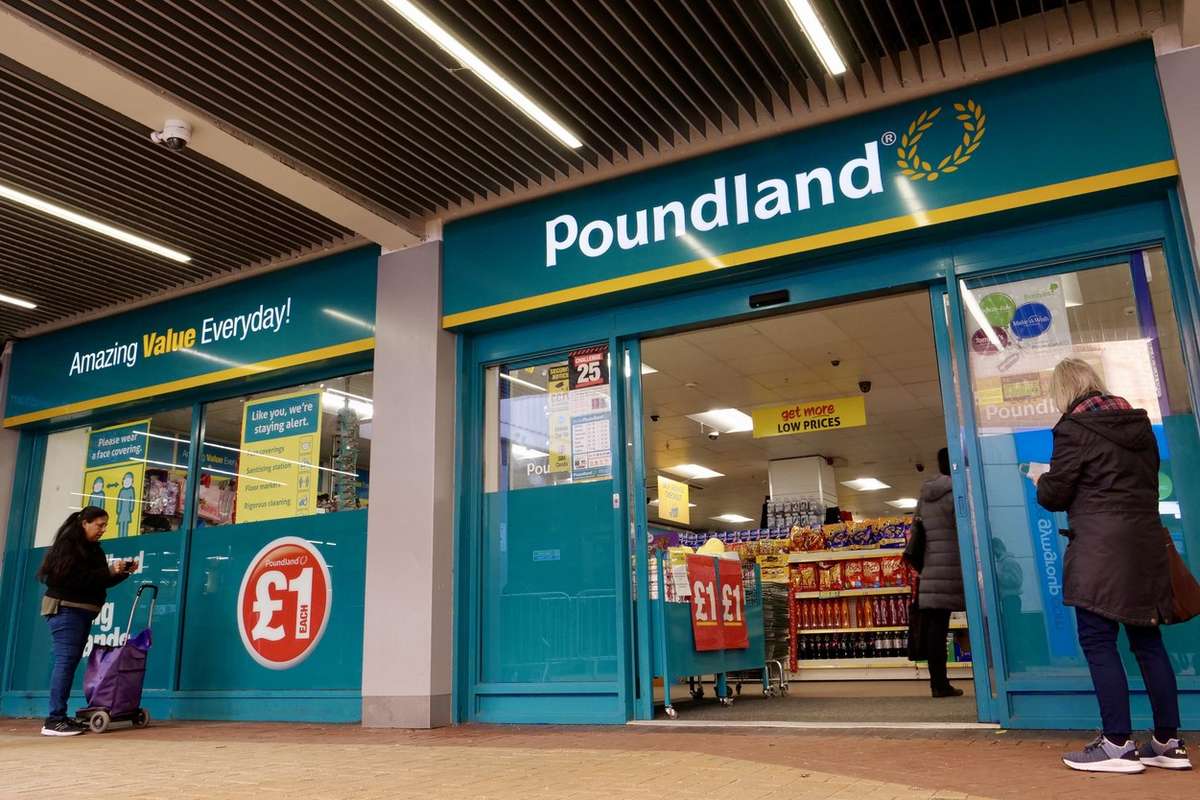

UK Prime Minister Andy Burnham has demanded to know why the US owner of Poundland turned down a rescue deal for the discount retailer, which is heading towards administration with the potential loss of 12,000 jobs.
Poundland filed a notice of intent to appoint administrators at the High Court on Thursday (Oct 29) after its owner, distressed investor Gordon Brothers, rejected a bid from Martin Property Group to buy the chain as a going concern.
“This is a deeply worrying time for Poundland staff and their families,” FT quoted Burnham as saying. “We want to see jobs protected. If there was a potential owner to avoid this that hasn’t been accepted, then the business secretary and I want to know why that is the case.
"We stand ready to support the workforce however we can.”
Labour MP Liam Byrne, chair of the Commons Business and Trade Committee, has called for “an urgent investigation while there is still time to protect jobs and save stores”.
“Why are Poundland’s owners risking thousands of jobs and yet more empty shopfronts on our high streets when there is reportedly a credible offer to buy the business as a going concern?” FT quoted Byrne as saying.
Poundland's managing director Barry Williams said it had "not been possible to identify an acceptable offer for the business as a whole"
But, Williams said, "several established retail operators" have made formal offers for a significant part of the business. He told employees the situation was “unexpected, unwanted and wholly avoidable”.
Poundland trades from more than 600 stores, including via the Dealz chain in Ireland, employing over 10,000. It also operates a distribution centre in Prime Minister Andy Burnham's Makerfield constituency in north west England.
Poundland was founded in 1990 and grew to become popular for selling all of its items at the single price point of £1, a policy long since abandoned. In recent years, it has struggled with competition from the traditional supermarkets, discounters Aldi and Lidl and firms such as B&M.
The collapse of Poundland, which trades from about 640 stores, would be one of the biggest high street failures of recent years and deal an early blow to Burnham’s ambitions of reviving the UK high street.