



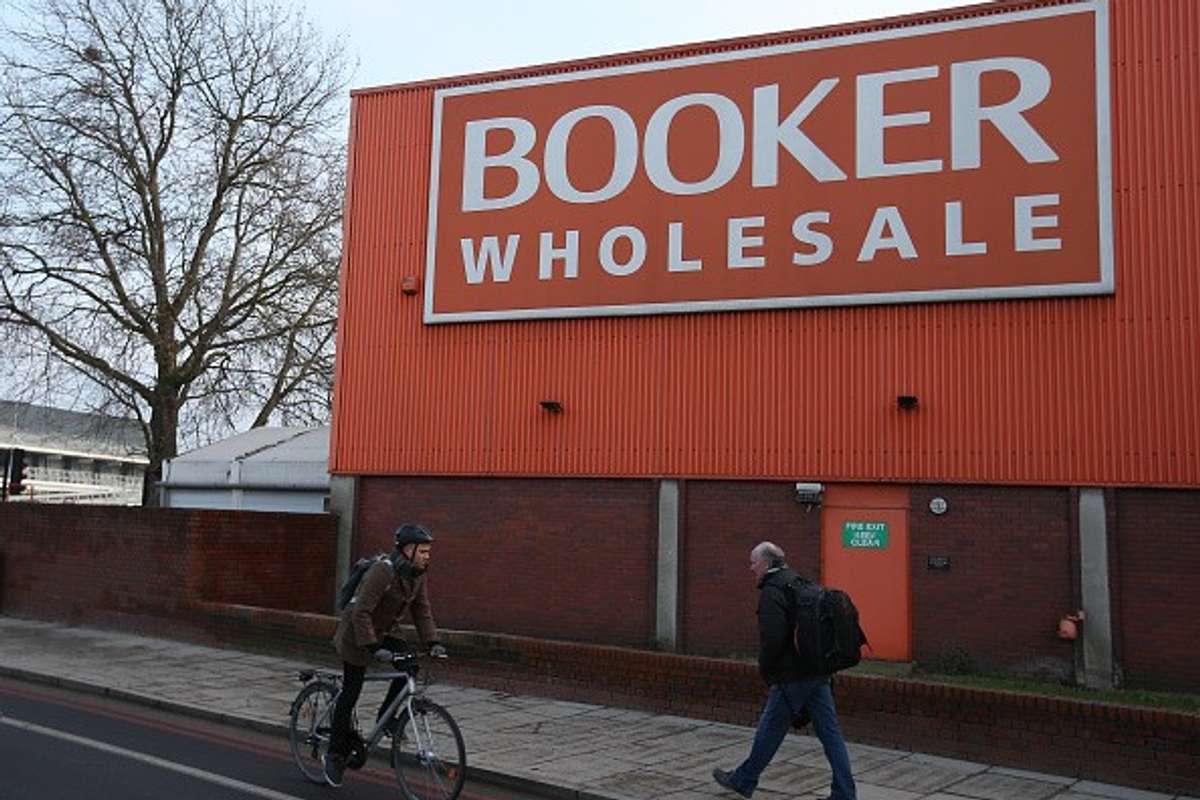

Booker Group delivered modest like-for-like sales growth of 0.2 per cent in 2025/26, as gains in its core retail and catering businesses were largely offset by a continued decline in tobacco.
The performance was reported on Thursday as part of Tesco’s preliminary results, which showed group like-for-like sales up 3.5 per cent, including UK growth of 4.2 per cent, and adjusted operating profit rising 0.6 per cent at constant exchange rates to £3.15 billion.
Within Booker, total sales reached £9.04 billion over the 52-week period. Core retail sales grew 2.2 per cent on a like-for-like basis, despite the impact of ending a lower-margin national account in August 2025, while core catering rose 3.8 per cent, supported by favourable summer weather and a contribution from Venus Wine and Spirit Merchants, acquired in June 2024.
By contrast, tobacco sales declined 9.5 per cent on a like-for-like basis, continuing to weigh on overall performance. Best Food Logistics posted modest growth of 0.6 per cent, despite ongoing weakness in parts of the fast-food market.
Operating profit at Booker increased 0.7 per cent to £292 million, with the wholesaler citing strong delivery from its Save to Invest programme and sales growth as key factors in offsetting significant cost inflation.
The group also pointed to continued momentum in its symbol and independent retail offer, adding 369 net new retail partners during the year and reporting improved customer satisfaction scores across its retail and catering base. More than 300 retailers are now using Scoot, Booker’s rapid delivery service.
Tesco, meanwhile, warned that its profits could be impacted by the Mideast war lifting food costs.
"Reflecting the increased uncertainty caused by the conflict in the Middle East, we are providing a wider range of guidance than we were previously planning," the company said in the earnings statement.
"Much will depend upon the duration of the conflict and in particular, the potential implications for UK households and the economy more broadly."
Trade body the Food and Drink Federation has warned food prices will be rising by almost 10 per cent by December as a result of the disruptions cased by the war.
Reports have also suggested food availability could be hit by a possible shortage of carbon dioxide gas which is a key input in the food industry. The Times said the government officials have drawn up contingency plans for possible food shortages caused by a scarcity of carbon dioxide if the Strait of Hormuz remains severely disrupted.