



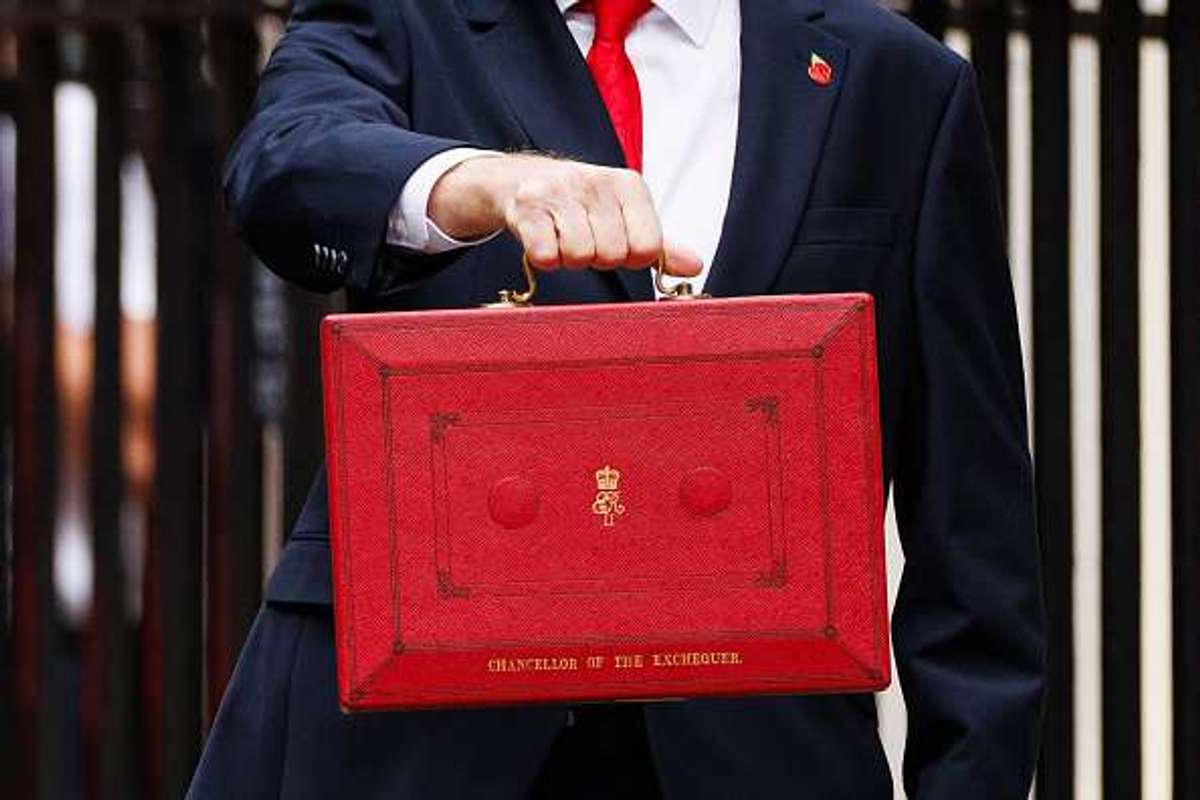

The Autumn Budget offers targeted relief for some small businesses and households, but is unlikely to ease the wider pressures facing the grocery and retail sectors, industry leaders have warned.
IGD said business rates changes could help eligible smaller operators, but higher living wages will add to payroll costs, while the Retail Trust stressed the need to protect retail jobs and support shop workers. Small Business Britain welcomed measures to improve access to funding and support entrepreneurs, alongside changes to business rates.
The Autumn Budget announced on 28 October included several measures affecting small businesses, retailers and households:
- Business rates: The Small Business Rate Relief threshold for retail, hospitality and leisure businesses in England will rise from £12,000 to £18,000, taking an additional 70,000 businesses out of business rates altogether.
- Business rates freeze: Rates for other businesses in these sectors will be frozen in real terms for two years, preventing above-inflation increases.
- National Living Wage: The minimum wage will rise by 3.9 per cent, taking it above £13 an hour for the first time and increasing payroll costs for businesses employing workers on the minimum rate.
- Fuel duty: The 5p-a-litre fuel duty cut will be extended until July, offering continued relief on petrol and diesel costs.
- Pubs and hospitality: Pubs, clubs and music venues will receive a 20 per cent business rates reduction from April next year.
- Small business support: Measures announced include an increased trading allowance, a Young Entrepreneurs Allowance and additional support for female entrepreneurs through the British Business Bank.
- SME funding: Funding for small and medium-sized businesses through the British Business Bank will increase, with the aim of improving access to finance.
Sharing on what today's budget means for the food & drink industry and for shoppers, James Walton, Chief Economist at IGD, comments: “Today’s Budget comes against a challenging economic landscape, with the OBR downgrading next year’s GDP growth forecast. Against this backdrop, the Budget will provide some targeted relief for households, rather than a substantial easing of pressure across the food and drink industry.
"Business rate changes could help eligible smaller operators and tariff cuts may reduce selected sourcing costs. On the other hand, higher living wages will add to payroll costs, meaning impacts will vary by business. For an industry facing flat volumes and incredibly tight margins, these measures do not fundamentally change the ongoing pressures businesses face.
“Support for shoppers offers some breathing space but is likely to help protect grocery spending, rather than deliver a significant boost to demand. Households remain under pressure and any true relief feels far off."
Business rates relief and improved funding access are welcome steps towards helping small businesses start, grow and invest.
Following today's Budget announcement, Michelle Ovens CBE, CEO & Founder of Small Business Britain, stated, “It is encouraging to see the Chancellor recognise the huge contribution our 5.7 million small businesses make to the UK economy, and the importance of backing entrepreneurs across the country.
“The increased trading allowance is particularly welcome. With more people starting businesses as side hustles, we need to make it easier for those ambitions to become thriving businesses. For young people, the Young Entrepreneurs Allowance is a welcome nod towards the changing nature of work and giving this group a launchpad to get started with their business.
Support for female entrepreneurs through the British Business Bank is also an important step towards unlocking the enormous potential of women in business. Overall growth in funding for SMEs via the British Business Bank is absolutely the right direction of travel as access to funding is a critical challenge to be solved.
“Changes to business rates will of course bring welcome relief to the small businesses that are the beating heart of our high streets and communities, which must now be built on with the High Street Strategy.
“Today is a positive step forward, and we must keep working to ensure everyone, whatever their background, has the opportunity to start and grow a business. Following my conversation with the Chancellor in Number 11 ahead of the Budget today, I look forward to working with Government to turn these commitments into real opportunities for small businesses across the UK.”
Experts also feel that retail support must extend to workers, balancing higher wages with job security, staffing levels and safer workplaces.
Chris Brook-Carter, chief executive of retail industry charity, the Retail Trust: “Today’s Budget did contain some measures to support retail businesses and ease the cost of living, but their success will also be judged by the difference they can make to the millions of people working in the retail industry.
“Our latest Retail People Index found that 39% of retail workers are at risk of going into work despite feeling physically or mentally unwell, while almost half are at risk of leaving their jobs. Rising costs continue to put retailers under significant pressure, and their employees are feeling the impact too when it comes to concerns about job security, reduced staffing levels and the support available to them at work.
“The increase in the minimum wage will make a real difference to workers struggling with the cost of living, but we also need to ensure retailers can afford to maintain staffing levels, create new jobs and invest in their people. This is particularly important for young people, many of whom get their first experience of employment in retail.
“We also cannot overlook the crime and abuse shop workers continue to face for doing their jobs. Investment in our high streets must go hand in hand with making them safer places to work. The new protections that form part of the Crime and Policing Act need to be brought into force and backed by consistent enforcement, so employees can feel confident that incidents will be taken seriously.
“Supporting our high streets must also mean supporting the people who keep them running. We need to ensure a retail industry where employees can feel more secure in their jobs, safer at work and better supported when they need help.”