



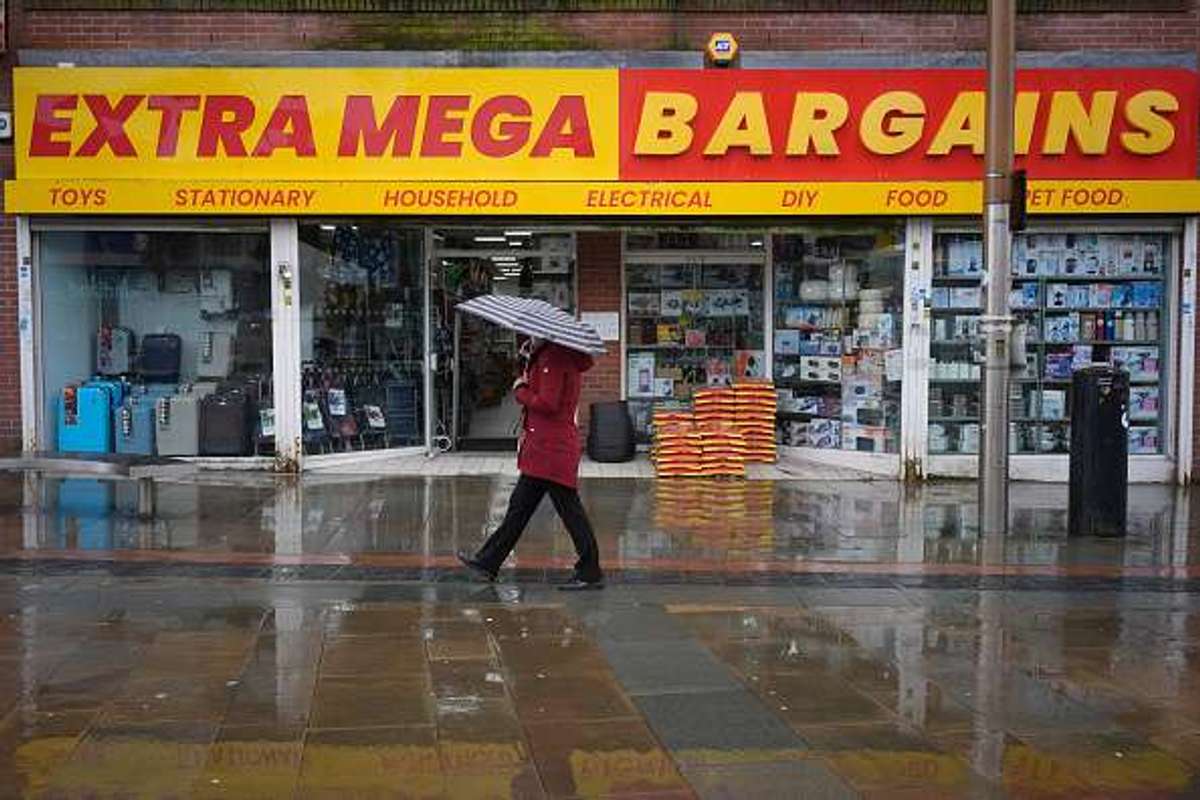

British consumers reined in their shopping in September as a warm start to the autumn hurt clothing sales and higher fuel prices ate into household budgets, while separate data showed confidence levels plunged in October.
Retail sales volumes dropped by 0.4% in September from August, a bigger decline than a fall of 0.1% expected by most economists in a Reuters poll.
British shoppers had surprised analysts with the strength of their spending in recent months, even as the conflict in the Gulf pushes up fuel and domestic energy prices.
Britain's two biggest food retailers Tesco and Sainsbury's, fast-food chain Greggs and home improvement retailer Kingfisher all recently upgraded their annual profit guidance.Over the three months to September, total sales volumes rose by 0.7%, helped by the soccer World Cup and a summer heatwave, according to the Office for National Statistics which revised up its monthly figures for August and July.
However, major retailers have highlighted the challenging conditions for consumers ahead of next week's budget announcement by finance minister John Healey - who has promised a bit more help with the cost of living - and signs of more inflation pressure in 2027.
The latest ONS retail sales figures show volumes fell by 0.4% in September, driven by non-store retailing (down 2.2%), clothing and footwear (down 0.9%), and household goods (down 0.5%).
Jacqui Baker, partner and head of retail at RSM UK, said: “Unseasonably warm weather in September meant clothing suffered as consumers held off from buying Autumn/Winter outfits. Consumers are still on the hunt for a bargain, particularly as disposable incomes remain under pressure, and nervousness builds ahead of the budget.
“It’s been a slow start to the Golden Quarter which is likely to continue as people delay purchases until Black Friday promotions in November. Retailers must hold firm on discounting as a weak Golden Quarter will put them in an even tougher position next year.
“With consumer confidence plunging to -24 in October, undoing all of the progress made over summer, all eyes are now on the budget to provide much-needed clarity, certainty and support. While retailers want to see initiatives that reduce the cost burden in the industry, it’s important consumers also receive a boost to encourage them to get out and spend, which would benefit the whole economy.”
Thomas Pugh, chief economist at RSM UK, added: “The drop in retail sales in September and sharp fall in consumer confidence in October raises the risk that the economy’s recent run of resilience might be coming to an end.
“At least part of the drop in retail sales in September can be attributed to warm weather dampening demand for winter clothing, which might reverse in October. But retailers also reported lower footfall and customers cutting back, suggesting cost of living pressures might be starting to bite.
"Indeed, the slump in consumer confidence in October suggests that higher inflation and borrowing costs are now having a bigger impact on confidence and spending. Nervousness ahead of what seems likely to be another tax raising budget, may also be playing a role.
“Unfortunately, those cost of living pressures are only going to get worse over the winter. Utility bills are likely to rise by 20% in January, and inflation will peak at around 4.5%. That will mean another squeeze in real incomes, unless there are substantial measures at the budget, which looks unlikely. Overall, consumers face a challenging winter, but high savings and the economy’s resilience so far, suggests spending growth will slow rather than collapse.”