





Retailers are among the small businesses most at risk from an impending surge in costs this April, with more than four in 10 wholesale and retail firms planning to close or scale back operations, according to the Federation of Small Businesses (FSB).
The FSB has issued a stark warning ahead of the government’s Spring Forecast, urging the chancellor to take urgent action to protect the UK’s 5.7 million small businesses and self-employed workers from what it describes as “unparalleled” cost increases.
Its latest research shows that 41 per cent of wholesale and retail businesses are planning to close, downsize or contract over the coming year, significantly higher than the 35 per cent average across all small firms. Overall, more small businesses now expect to shrink (35%) than grow (21%), as revenues fall and costs continue to climb.
The organisation said small employers face a “looming cost crunch” from rising labour costs, higher business rates, energy bill increases and tax changes coming into force from April.
Employment costs remain one of the biggest pressures, driven by increases in the National Living Wage and employer National Insurance contributions. The FSB estimates that a small business employing nine staff on the National Living Wage will see annual employment costs rise by £25,850 between January 2025 and April 2026 – equivalent to the cost of hiring an additional worker. Over the same period, employer National Insurance bills would increase by £4,400, or 46 per cent.
Retailers are also facing steep rises in business rates, with changes to multipliers and the loss of the existing 40 per cent relief for retail, hospitality and leisure businesses. The FSB estimates these changes will result in an average 52 per cent increase in rates bills for small firms in these sectors, phased in over three years.
Energy costs remain another major concern, with annual standing charges set to rise by more than 40 per cent from April. For a small business using around 40,000kWh of electricity per year, standing charges will increase from £3,680 to £5,283 annually.
Further cost increases will come from changes to Statutory Sick Pay, which will become payable from day one of sickness, adding around £110 per employee each year, as well as higher dividend tax rates, Making Tax Digital compliance requirements and Companies House fee increases.
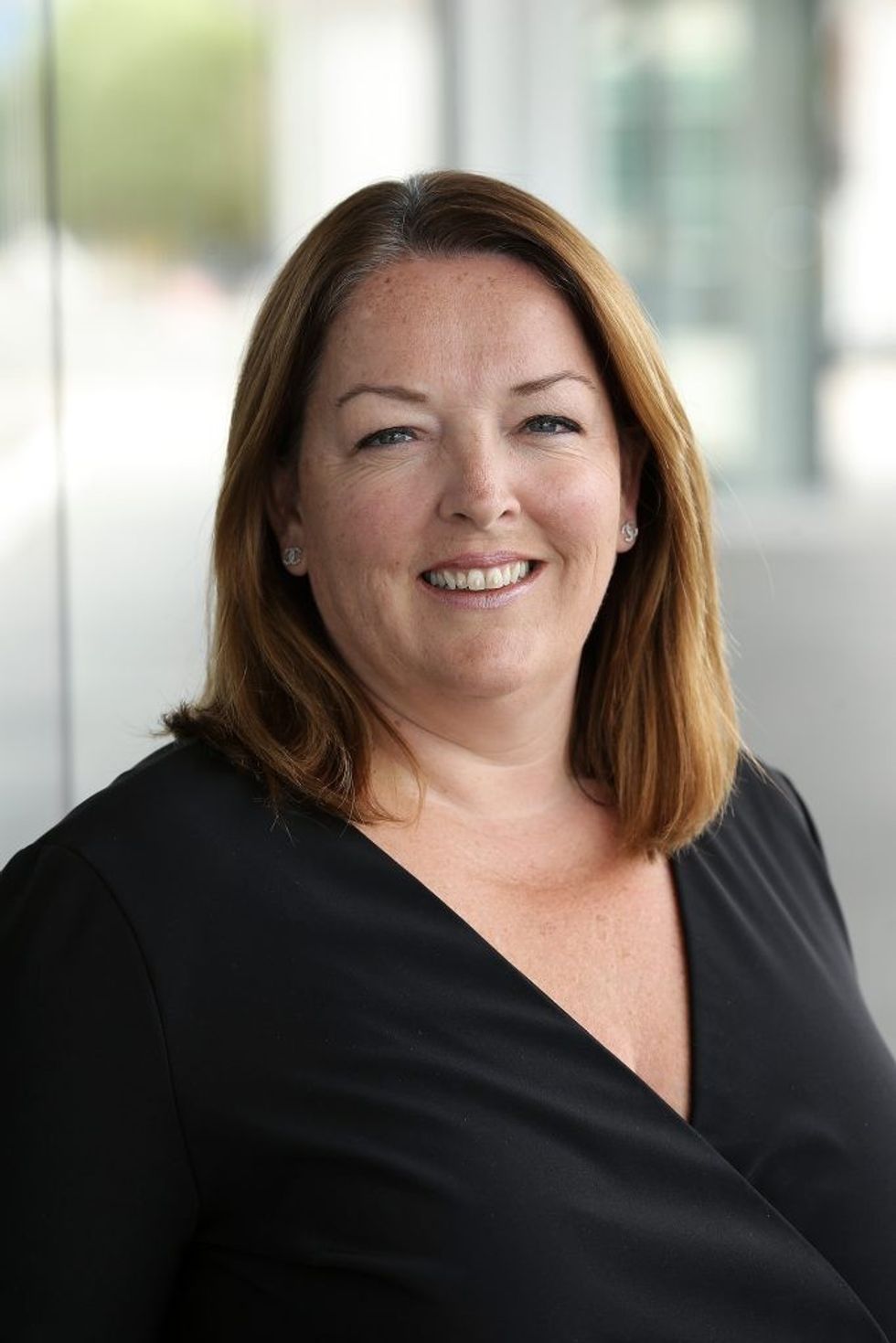 Tina McKenzie Photo: Handout
FSB policy chair Tina McKenzie said the combined impact could have serious consequences for local businesses and high streets.
“April’s impending cost crunch will make running a small business in the UK more expensive – and that has real consequences,” she said.
“It will push already struggling small firms past breaking point, deter would-be entrepreneurs from setting up in business as the numbers no longer stack up, and put the brakes on the small business growth the economy depends on.
“Many of these hardworking businesses have already been forced to increase prices, lay off staff, or cancel expansion plans.”
The FSB is calling on the government to increase the Employment Allowance to offset higher National Insurance costs, extend business rates support to more retail firms, reduce renewable obligation costs on business energy bills and introduce a rebate to offset higher sick pay costs.
McKenzie added that the Spring Forecast represents the last opportunity for ministers to intervene before the cost increases take effect.
“The chancellor must recognise the huge pressure that our small businesses and self-employed people are under and show she is willing to ease even a fraction of these cost pressures to help stem the tide of these rising costs,” she said.