



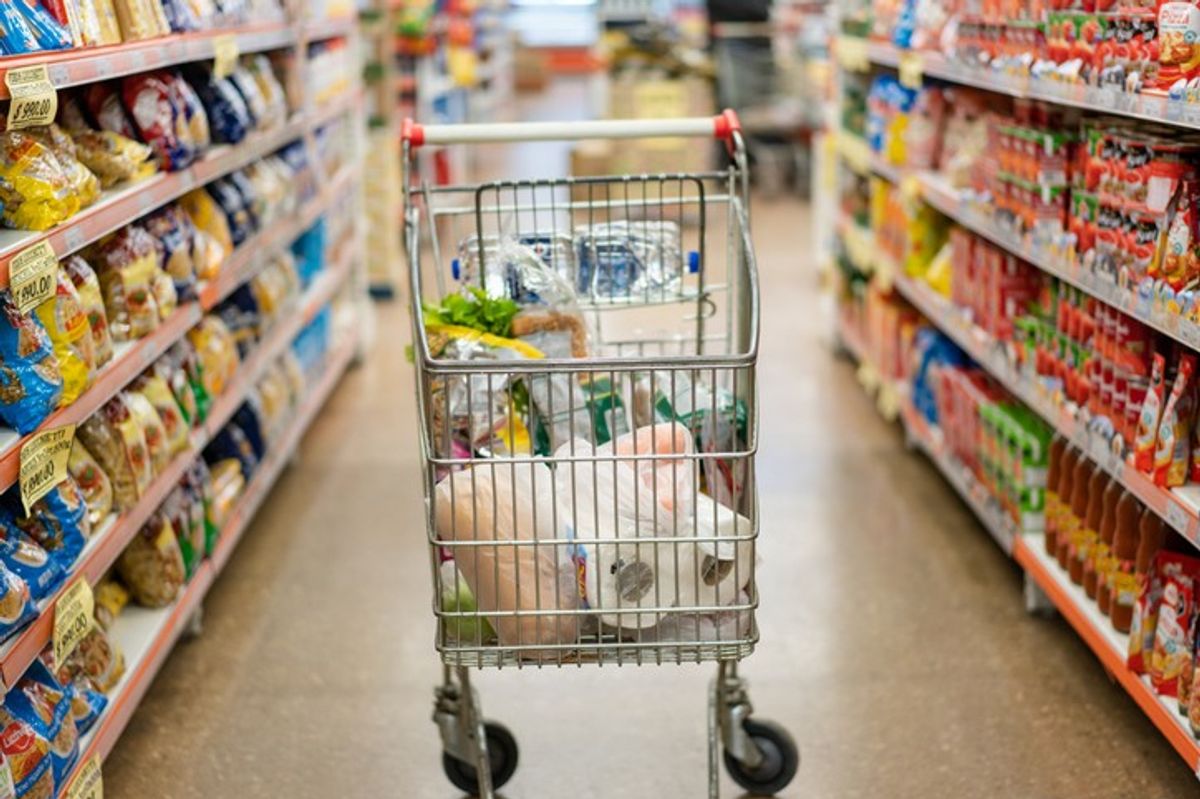

Britain’s major food retailers are beginning to feel the impact of a new trend as the surging popularity of appetite-suppressing drugs starts to reshape shopping habits and sales.
About 5 per cent of the UK's adult population is reportedly embracing glucagon-like peptide (GLP-1) drugs and their effect is now starting to show in sales of food, retail bosses and analysts said this week.
Market researcher NielsenIQ said on Monday that although total UK grocery sales rose 2.5 per cent in value terms over the four weeks to December 27, they fell 0.2 per cent on a volume basis.
The NHS prescribes the GLP-1 injections Mounjaro and Wegovy for weight loss but Ozempic only for diabetes. The most up to date research from University College London estimates around 1.6 million UK adults have used these injections in the past year.
Clive Black, head of consumer research at Shore Capital, said this was "perhaps the clearest indication of the impact" of the drugs on the nation's eating habits.
Simon Roberts, CEO of Sainsbury's, Britain's second largest food retailer, said the group was noticing an impact.
"For customers that are using these products, we’re seeing more of that switch into healthier choices, into fresh food, into fibre and we’re really well placed to serve that mission," he told reporters on Friday when the group updated on Christmas trading.
Ken Murphy, CEO of Tesco, said on Thursday that Britain's biggest food retailer was watching "very closely" how the GLP-1 trend is developing.
"We already have a wide range of products that I would describe as GLP-1 friendly," he said, highlighting that fresh food was the standout performance at Christmas, with like-for-like sales up 6.6 per cent year-on-year. "That is, by far and away, the best thing people can eat".
He said Tesco also had high-protein products across several categories that work well in the GLP-1 context.
"We're well set to respond to any trends in healthier eating and we'll continue to watch very closely any specific product ranges that could be suitable for those kinds of consumer."
Higher sales of low alcohol and no alcohol drinks were also evident at Christmas, Murphy added.
Jonathan De Mello, retail analyst at JDM Retail, said: “The Ozempic effect is now a very real trend in grocery, with GLP-1 usage rising rapidly, and concurrent year-on-year grocery volume decline among users as a result.
“High-calorie categories like snacks and alcohol have been particularly impacted. As this trend gains momentum, more grocers will need to adapt product lines to this ‘less but better’ consumption shift.”
It was reported last week that Co-op has launched a new own-brand range of GLP-1 friendly meals, marking a UK convenience retail first as part of its new Good Fuel health-focused offer.
Rolling into stores from 7 January, the ‘Good Fuel – Power Up Your Plate’ range features four new mini meals designed specifically for shoppers with smaller appetites. The launch follows data showing that around three per cent of the UK population – equivalent to one in every 30 people – is now using weight loss medication.