



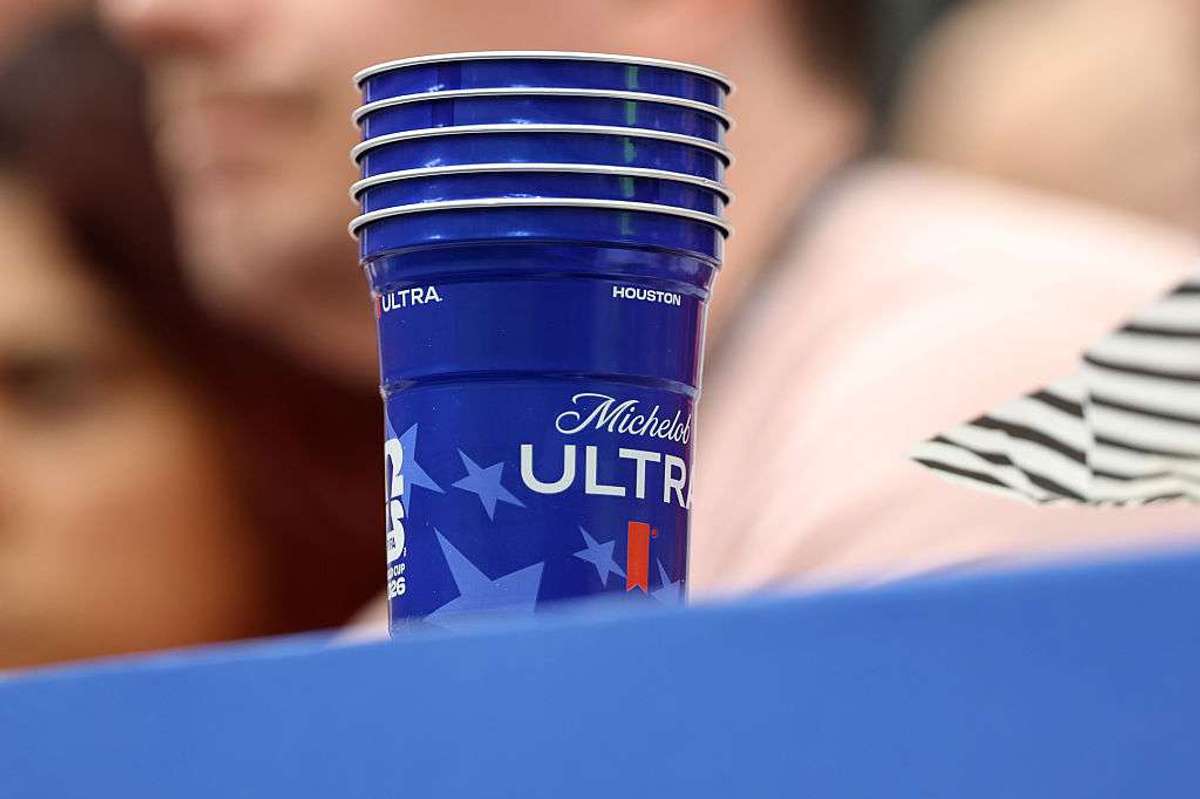

AB InBev delivered stronger-than-expected second-quarter results as growth across its premium beer portfolio, no-alcohol range and Beyond Beer business helped offset a mixed global consumer environment.
The world's largest beer maker, whose brands include Budweiser, Corona, Stella Artois and Michelob Ultra, reported organic revenue growth of 5.6 per cent in the second quarter, beating forecasts, while beer volumes rose for a second consecutive quarter after years of decline.
The business reported a 5.8 per cent rise in organic operating profit, higher than the 4.6 per cent growth expected by analysts. Underlying earnings per share climbed 23.4 per cent to $1.21 (£0.90).
Chief executive Michel Doukeris said the performance reflected the continued strength of the global beer category.
“Cheers to beer – our performance this quarter reflects the strength of the beer category and the consistent execution of our strategy,” he said.
“Through investment in our megabrands and mega platforms, innovation and offering more choices across more occasions, we are strengthening the cultural relevance of our brands with consumers.”
Revenue growth was supported by higher prices and premiumisation, with revenue per hectolitre increasing 4.2 per cent during the quarter. Overall volumes grew 0.9 per cent, as a 1.1 per cent increase in beer volumes more than offset a 1.1 per cent decline in non-beer volumes.
The brewer highlighted continued momentum across its premium brands, with combined revenues from its megabrands rising 6.2 per cent. Outside their home markets, Corona revenue grew 17 per cent, Stella Artois 19 per cent and Michelob Ultra 21 per cent. Corona delivered double-digit volume growth in 37 markets, while Michelob Ultra continued its international expansion, with 40 per cent of its volume growth coming from markets outside the US.
The company's “Balanced Choices” portfolio also continued to expand, with no-alcohol beer revenue increasing 27 per cent, reinforcing AB InBev's leadership in the segment by value. Beyond Beer delivered even stronger growth, with revenue up 44 per cent, driven by brands including Flying Fish and Cutwater.
AB InBev said it continued investing heavily behind its brands, increasing sales and marketing spend by 9 per cent in the first half to $4.1bn. The company noted that, according to Kantar BrandZ, it now owns eight of the world's 10 most valuable beer brands, with Corona and Budweiser ranked first and second respectively.
Digitisation also remained a key growth driver. Gross merchandise value through its BEES digital ordering platform increased 16 per cent to $15bn during the quarter, while third-party sales through BEES Marketplace rose 50 per cent to $1.2bn. Direct-to-consumer platforms, including Zé Delivery, TaDa Delivery and PerfectDraft, generated $165m in revenue, up 12 per cent year on year.
Regionally, AB InBev reported record second-quarter beer volumes in Mexico, Colombia and Ecuador, while beer volumes in Brazil returned to growth. Europe delivered low-single-digit volume growth, with Corona leading performance and the brewer highlighting the expansion of Modelo Especial in the UK alongside the launch of Stella Artois Strawberries & Cream ahead of Wimbledon. In contrast, China remained challenging, with volumes declining 9.7 per cent amid adverse weather and continued weakness in the on-trade.
Looking ahead, AB InBev reiterated its full-year guidance, expecting EBITDA growth in line with its medium-term target of 4-8 per cent, despite ongoing macroeconomic uncertainty.