



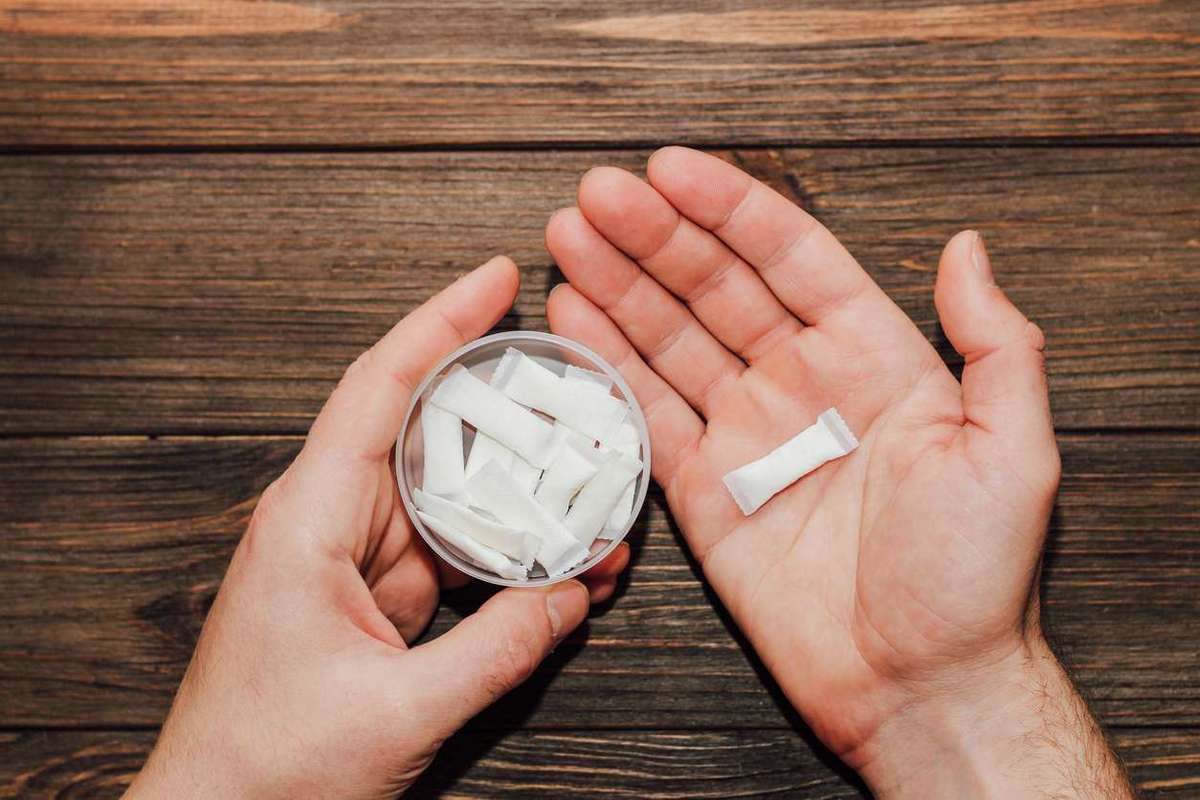

Public health experts have pushed back against elements of the World Health Organisation’s latest report on nicotine pouches, arguing that while tighter regulation is needed to protect young people, the products may still have a role in tobacco harm reduction for adult smokers.
The WHO today warned that nicotine pouches are being aggressively marketed to young people through sweet flavours, social media campaigns and influencer promotion, while calling for stricter controls including flavour restrictions, advertising bans and tougher age-verification measures.
However, several UK and international academics said the evidence around nicotine pouches and smoking cessation remains incomplete rather than dismissive.
Dr Jamie Hartmann-Boyce, assistant professor of health policy and management at the University of Massachusetts Amherst, said there is already strong evidence that alternative nicotine products can help smokers quit combustible cigarettes.
“Nicotine is not the ingredient in cigarettes that causes cancer, so moving people off of cigarettes onto another form of nicotine can reduce health risks,” she said, adding that more independently funded studies on nicotine pouches are currently underway.
Prof Caitlin Notley, professor of addiction sciences at University of East Anglia, said the WHO report was “not quite accurate” in claiming cessation benefits were unsubstantiated.
She pointed to emerging evidence from consumer experiences suggesting nicotine pouches have helped some users move away from smoking and vaping, particularly among people seeking “non-medicalised” alternatives to traditional nicotine replacement therapies.
“Our research group has just completed a qualitative analysis of public perceptions of nicotine pouches using over 20,000 data points gathered from publicly available comments on YouTube content. A major finding was that people with lived experience discussed how they had found nicotine pouches helpful to transition away from tobacco smoking, and also potentially nicotine vaping,” she said.
“Although this is exploratory evidence, it is clear that reduced harm ‘non-medicalised’ consumer options to support smoking cessation are helpful for some, in addition to licensed and approved medications, which may appeal to different groups of people.”
Meanwhile, Dr Harry Tattan-Birch of University College London backed the UK’s tougher regulatory direction under the Tobacco and Vapes Act 2026, which will bring nicotine pouches into a clearer legal framework with restrictions on advertising and sales to minors.
But he also warned against outright bans.
“Governments need to regulate these products with relative harms in mind. Nicotine pouches do not produce smoke or require inhalation into the lungs, meaning they are likely to be substantially less harmful to health than cigarettes,” he said.
Tattan-Birch added that banning pouches while cigarettes remain widely available “could be counterproductive for public health”, particularly as many pouch users are former smokers or vapers.
“The challenge for governments is to reduce the appeal and accessibility of pouches to children and people who would otherwise not use nicotine, while preserving their potential as a lower-risk alternative for adults who smoke,” he said.
The WHO report noted that 16 countries have already banned nicotine pouches, while around 160 still have no specific regulations in place.