



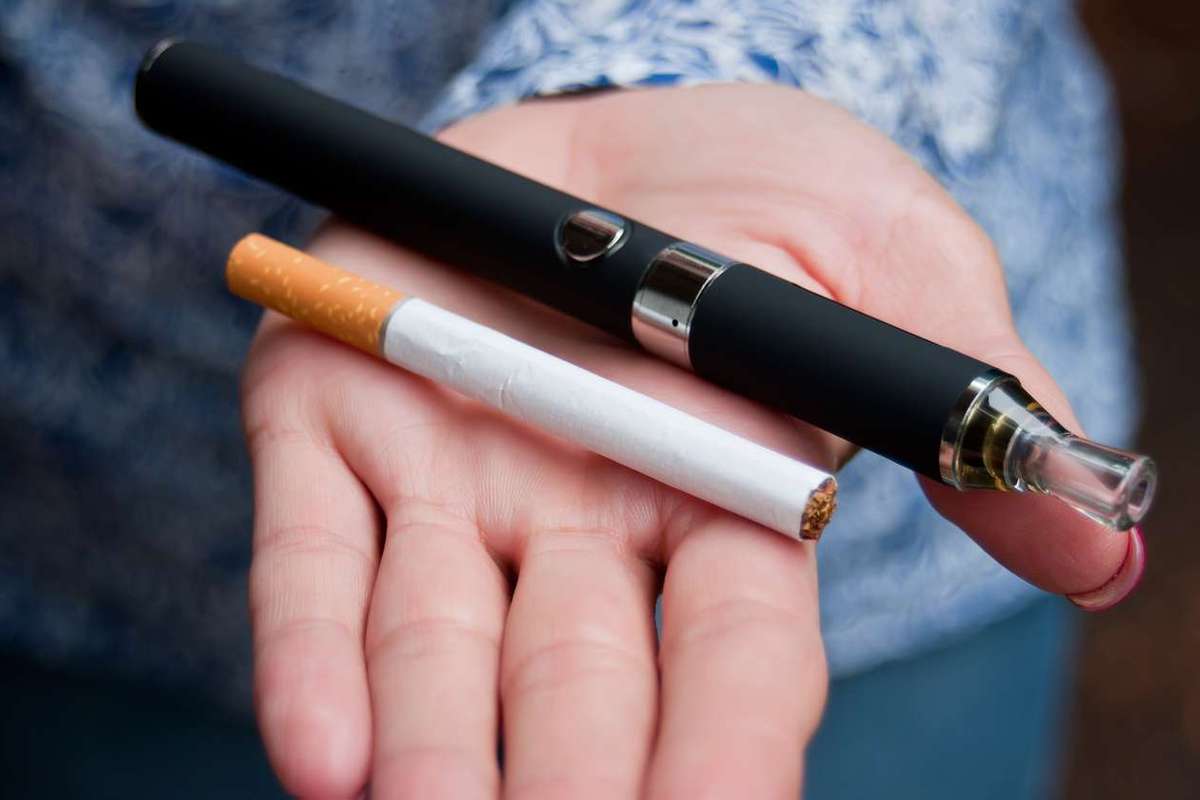

Smokers who both vape and smoke cigarettes during a quit attempt are reducing their exposure to harmful chemicals and are more likely to quit smoking altogether than those who continue to smoke without vaping, according to a major new study from Queen Mary University of London.
The findings challenge persistent concerns that “dual use” may undermine quitting, instead suggesting it can act as a genuine harm reduction pathway and a stepping stone to full smoking cessation.
Published in Nicotine & Tobacco Research, the study analysed data from a large randomised controlled trial funded by the National Institute for Health and Care Research (NIHR) and Cancer Research UK (CRUK), which followed 886 adult smokers over a one-year period. Participants were offered either e-cigarettes or nicotine replacement therapy (NRT) as part of a stop-smoking attempt.
Researchers examined patterns of e-cigarette use among smokers who did not quit immediately, focusing on whether dual use was linked to long-term outcomes. Smokers who continued to smoke but also used an e-cigarette were significantly more likely to stop smoking at both four weeks and at one year compared with those who smoked exclusively.
Crucially, even among participants who did not manage to quit smoking entirely, dual users were far more likely to substantially reduce the number of cigarettes they smoked and their objectively measured intake of toxic chemicals from cigarette smoke, compared with unsuccessful quitters who did not vape.
Dr Francesca Pesola, senior lecturer in statistics at Queen Mary and lead author of the study, said the findings support a more flexible approach to quitting.
“The sooner smokers quit the better, but for those who find it difficult to stop smoking abruptly, vaping can help with doing it gradually over time,” she said.
Co-lead author Professor Peter Hajek, director of the Health and Lifestyle Research Unit at Queen Mary, added that advice discouraging dual use may be counterproductive.
“Smokers (and clinicians) sometimes believe that if smokers do not manage to stop smoking soon after starting vaping, they should stop using e-cigarettes to avoid ‘dual use’. These results show that dual use promotes genuine harm reduction and that it can be a useful step to stopping smoking altogether,” he said.
Beyond cessation outcomes, the study also identified several findings of direct relevance to the vaping sector. Participants using e-cigarettes reported lower urges to smoke than those using NRT, helping to explain why vaping may support both smoking reduction and eventual quitting.
Most vapers initially used higher nicotine strengths before stepping down over time. By the end of the study, around one in 10 had switched to nicotine-free e-liquids, indicating that vaping may also provide a route to gradually reducing nicotine dependence.
Flavour choice also appeared to play a significant role. Tobacco-flavoured e-liquids proved unpopular, with most participants quickly switching to non-tobacco flavours such as fruit. Those who continued using tobacco flavour were less likely to be smoke-free at one year, reinforcing growing evidence that flavours are an important part of the switching process.
Independent experts said the findings add weight to the harm reduction case for vaping. Professor Caitlin Notley, professor of addiction sciences at the University of East Anglia, said the study provides strong evidence that dual use can support long-term smoking abstinence.
“There has been legitimate concern that dual using may encourage people who smoke to continue smoking, but this study provides evidence for an alternative explanation – that dual using can help people to quit smoking,” she said, adding that the results support previous evidence highlighting the importance of flavours in helping smokers fully transition away from tobacco.
Professor Linda Bauld, professor of public health at the University of Edinburgh, said the results mirror what is already known about cutting down with other nicotine products.
“This study suggests that replacing some cigarettes with another nicotine product is often a pathway to stopping smoking altogether,” she said, while stressing that the findings do not apply to pregnant smokers.
Around 11.9 per cent of adults in the UK still smoke, and the authors say the findings could help inform more pragmatic clinical advice and public health messaging around vaping, harm reduction and smoking cessation.