



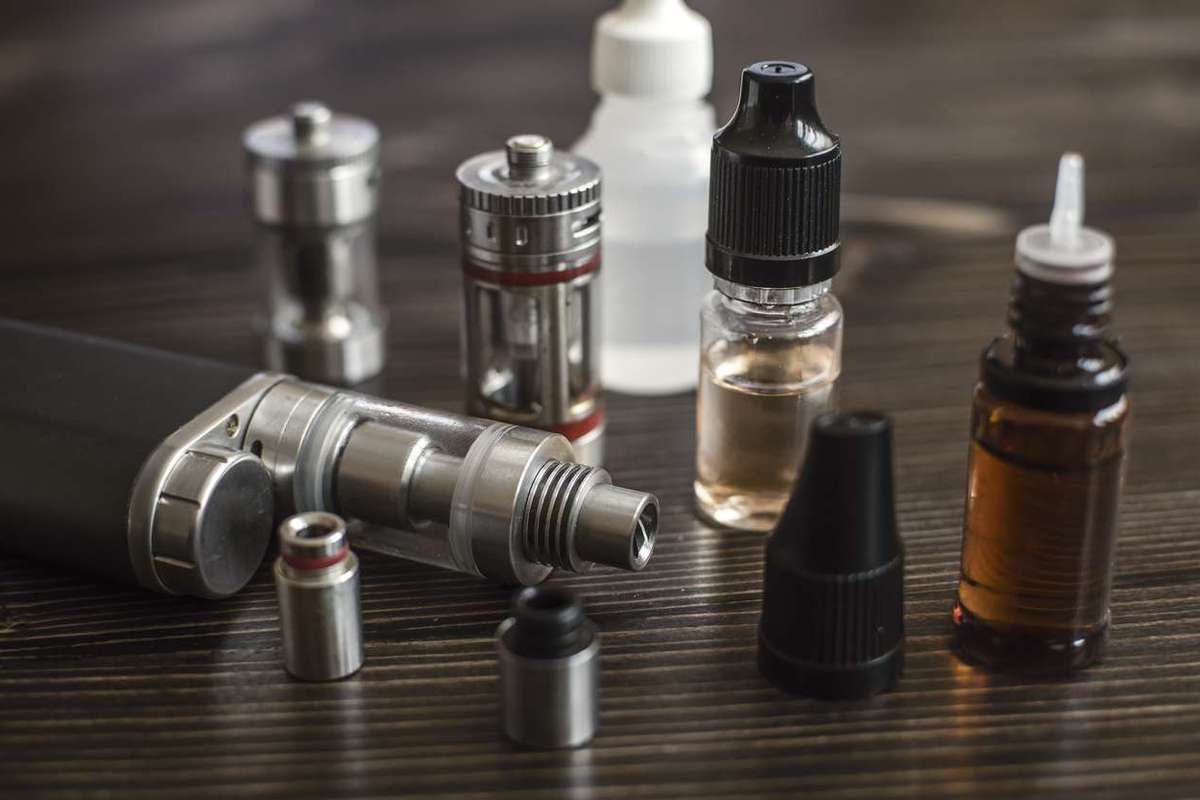

Vaping Products Duty has come into force today (1 October), bringing a new £2.20 per 10ml excise duty on vaping liquid and new requirements around duty stamps and stock management for retailers.
The duty applies at a flat rate of 22p per ml and covers vaping liquids whether they contain nicotine or not. The duty is paid by manufacturers, importers and approved warehousekeepers, with businesses deciding whether and how much of the cost is passed through the supply chain to retailers and consumers.
For retailers, one of the most important aspects of the new regime is the transition period for existing stock.
Retailers can continue to sell eligible unstamped vaping products that were manufactured or imported into the UK before 1 October 2026 until 31 March 2027. From 1 April 2027, vaping products sold in the UK must carry a valid duty stamp, unless covered by duty-suspension arrangements.
Retailers urged to check existing stock
Haypp's Dr Marina Murphy, head of external affairs UK and scientific affairs, has urged retailers to review their existing vape inventory and plan ahead for the end of the sell-through period.
Retailers should calculate how much unstamped stock they have and maintain an audit trail of invoices and delivery documents to demonstrate that products were manufactured or imported before 1 October, she said.
They should also speak to suppliers to confirm that new stock received after the duty's introduction is compliant and carries the appropriate duty stamp.
“If retailers believe they may have a surplus of stock that they will be unable to sell by the March 2027 deadline, they should discuss the possibility of returning it to their suppliers in exchange for compliant replacement products,” Murphy said.
Where stock cannot be returned, she said retailers could consider clearance discounts or bundle deals to sell it before the deadline.
From 1 April 2027, retailers must not sell unstamped vaping products and should ensure any remaining stock has been sold, returned, exported, destroyed or otherwise lawfully dealt with. HMRC says businesses handling unstamped products after the deadline may face penalties and seizure of goods.
The penalty for selling, offering for sale or otherwise dealing in unstamped retail-packaged vaping products can reach £10,000, depending on the quantity involved and whether previous penalties have been issued.
What will the new stamps mean?
Vaping products manufactured or imported from today must carry a duty stamp when released into the UK market, while eligible pre-October stock can remain unstamped during the transition period. Transitional stamps can be used until 31 December 2026, after which only digital duty stamps can be affixed to new products.
The digital system is intended to provide greater traceability through the supply chain and allow consumers eventually to check the authenticity of products.
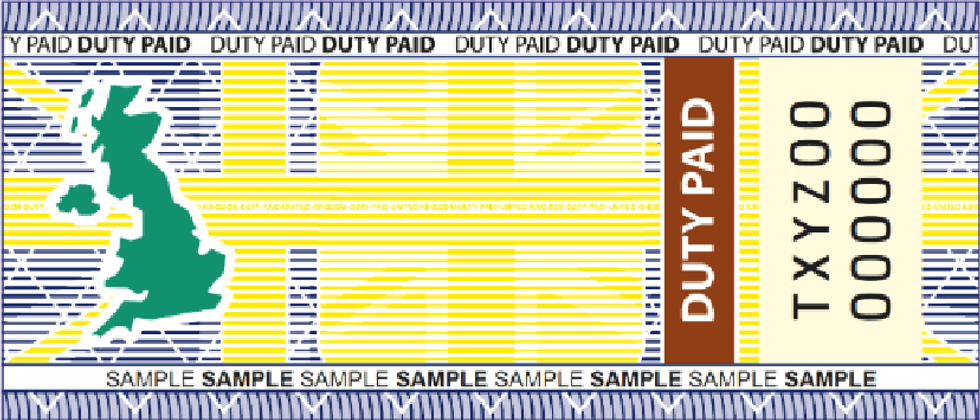 An example of a yellow transitional stampPhoto: Cartor Security Printers / HMRC
Eve Peters, director of government affairs for ELFBAR and LOST MARY in the UK, said retailers should not assume that every unstamped product appearing on shelves after today's implementation date is necessarily non-compliant.
“It’s important to clarify that both stamped and unstamped products may legitimately be seen on retail shelves up to and including 31 March 2027,” she said.
“Unstamped products can continue to be sold during this period, provided they were manufactured or imported into the UK before 1 October 2026. All products manufactured or imported after that date must carry a stamp.”
Industry raises concerns over price impact
While manufacturers and retailers prepare for the new regime, the UK Vaping Industry Association (UKVIA) has criticised the introduction of the duty and warned about its potential impact on consumers and the legal market.
John Dunne, director general of UKVIA, described the measure as “a tax on public health”, arguing that the duty could significantly increase the cost of vaping.
UKVIA said a survey of almost 3,500 adult vapers found average e-liquid consumption was more than twice the level used by HMRC in modelling the duty.
The association also cited analysis by the Centre for Economics and Business Research, commissioned by Vape Club, which estimated that the £2.20 rate could result in 946,000 vapers and dual users switching exclusively to smoking, alongside 1.5 billion additional cigarettes being smoked annually. The analysis estimated additional healthcare and productivity costs of £306.6 million.
Those figures are projections rather than observed effects of the duty, and UKVIA is using them to argue for a lower duty rate and greater enforcement against illicit vape sales.
“Protecting young people is essential. But that means stronger enforcement against illegal and rogue traders, not making legal vaping more expensive for adults trying to stay away from cigarettes,” Dunne said.
“The government needs to look at the evidence and be prepared to change course before this miscalculation sends the UK’s smokefree ambitions up in smoke.”