



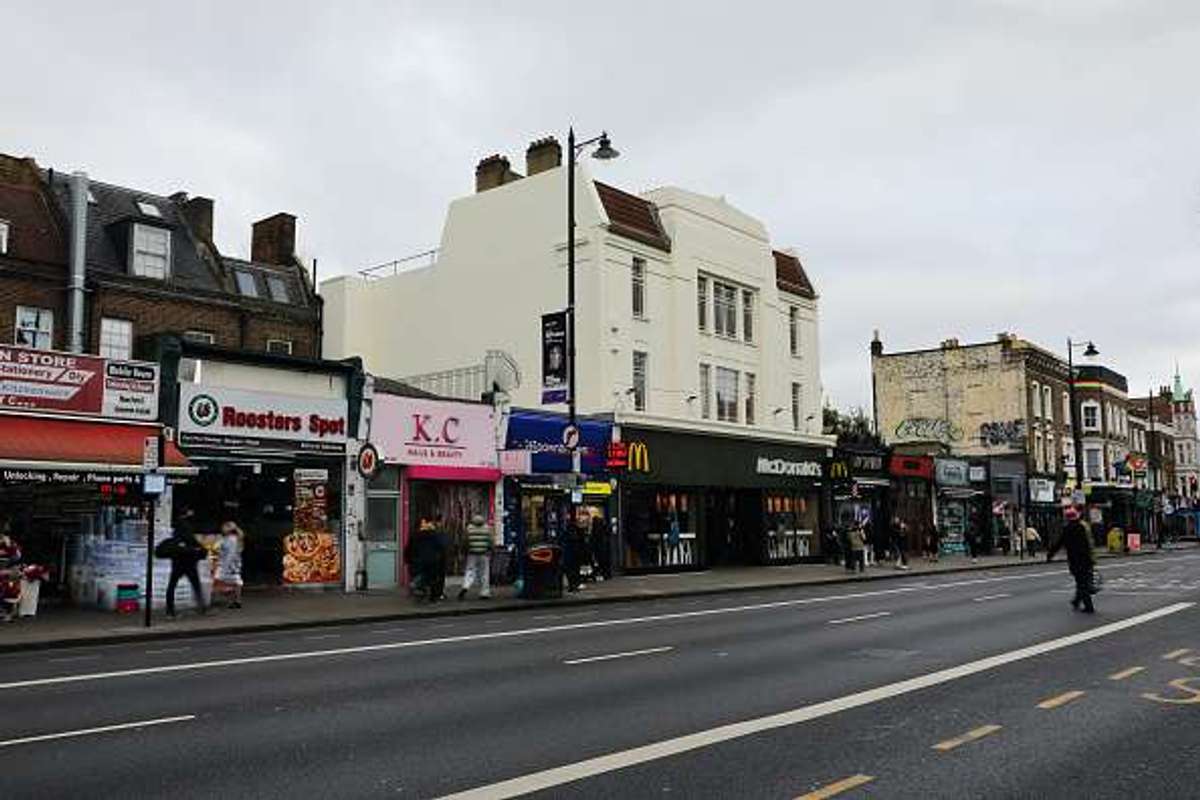

The UK retail sector is facing a historic contraction, with shop closures and demolitions overtaking new retail development for what analysts believe is the first time since the Second World War.
New data from property analytics firm CoStar Group shows the UK lost a net 800,000 sq ft of retail space in 2025, marking a dramatic reversal from the sector’s peak expansion years.
At its height in 2015, before the pandemic accelerated the shift towards online shopping, the UK added nearly 14 million sq ft of net retail space annually. However, rising store closures, redevelopment projects and reduced retail investment have now pushed the sector into decline.
According to Mark Stansfield, Senior Director of UK Analytics at CoStar Group, this is the first recorded fall in the country’s overall retail footprint this century and “most likely the first time since the Second World War”.
The trend appears to be accelerating further in 2026, with another 700,000 sq ft of retail space already lost in the opening months of the year.
Retail trade bodies have warned that shrinking high streets are damaging local communities. The British Retail Consortium has previously raised concerns over “gap-toothed high streets” and called for urgent reform of business rates and employment costs to support physical retail.
The organisation warned that “far too many stores have disappeared, leaving behind empty shells that once thrived at the heart of our communities”.
Several long-standing shopping centres have already been demolished or repurposed. In St Helens, Merseyside, the 40-year-old Hardshaw Centre was cleared to make way for housing, a hotel and transport infrastructure upgrades. Meanwhile, Leeds’ Core shopping centre has been demolished for student accommodation developments.
The changes reflect wider structural shifts in UK retailing, with online shopping now accounting for around 28 per cent of total retail sales, compared with less than 15 per cent a decade ago.
The sector has also witnessed the collapse or retrenchment of several major chains, including Debenhams, BHS and Topshop, while retailers such as John Lewis & Partners and River Island have continued to reduce their store estates.
Retail property values and rents have also come under pressure. Shopping centre owner Hammerson estimates retail rents remain around one-third below 2018 levels, despite signs of modest recovery in recent months.
Developers have increasingly shifted investment away from retail projects and towards sectors such as logistics warehouses and data centres, where demand and rental growth have proven significantly stronger.
Construction activity highlights the slowdown. Developers started work on just two million sq ft of retail space in 2025 – down 40 per cent year-on-year and the lowest level recorded this century. By comparison, 14 million sq ft of retail space entered construction in 2017.
Currently, only three million sq ft of retail property is under construction across the UK, the lowest figure in 15 years.
One of the largest ongoing schemes is the redevelopment of the Elephant & Castle shopping centre in southeast London, though even this project is expected to add only 135,000 sq ft of retail space.
Stansfield said the trend of converting underperforming retail sites into alternative uses would continue in the years ahead, helping to reduce vacancy rates and stabilise rents across the remaining retail market.