



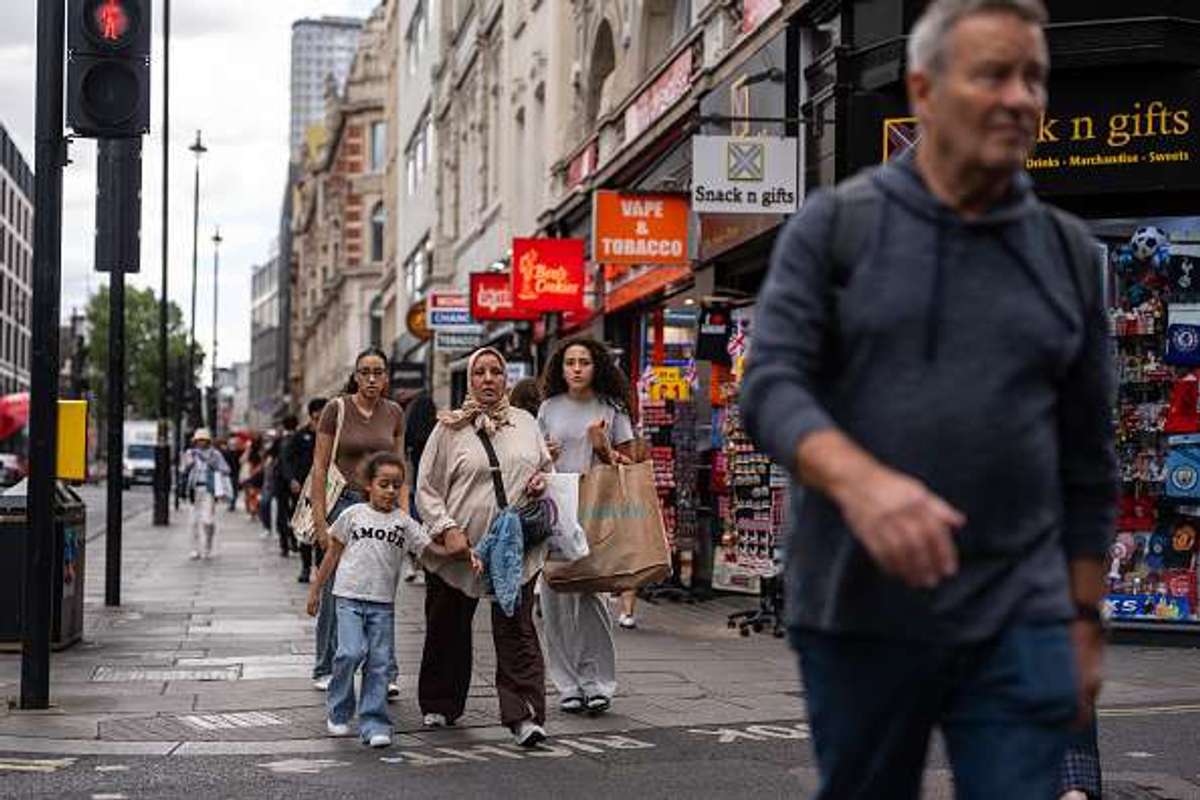

Retailers are urging the Chancellor to ease business costs ahead of the Budget, as new polling by the British Retail Consortium (BRC) finds that keeping the cost of living down, tackling youth unemployment and revitalising high streets are among the public’s top priorities.
The BRC says reducing the financial burden on retailers would free up investment in jobs, stores and productivity, while helping businesses keep prices competitive.
Polling by Opinium, commissioned by the BRC, found almost nine in ten (89%) UK adults want the Government to prioritise reducing the cost of living, while more than four in five back action on youth unemployment (83%). Improving Britain’s high streets is also a clear public priority, with more than three quarters (77%) saying it should be an important part of the Budget.
These priorities are shared by the public, the Government and retailers. Keeping prices down, creating opportunities for young people, boosting productivity and strengthening high streets are not competing goals. For retail, they are closely connected, and the right Budget decisions can help deliver progress on all of them.
Employing 2.8 million people, with shops and jobs in every postcode across the UK, retail has a direct impact on household finances, employment and communities. When retailers have more capacity to invest, that investment translates into more jobs and training, better stores, more viable high streets and greater ability to keep prices competitive for customers.
But rising employment costs and business taxes are limiting that capacity. The industry will pay £41 billion in business taxes in 2026/27, up 20% in two years. Over those two years it has lost 122,000 jobs and one in seven high street properties now lies empty.
The Budget gives the Government an opportunity to turn shared priorities into practical action. Creating more room for investment would allow retailers to direct more money into people, stores and technology, opening up opportunities for young people at a time when nearly one million 16 to 24-year-olds are not in education, employment or training.
x`Investment in technology and more efficient stores would help boost productivity, while stronger high streets would support local economies and communities. Crucially, giving retailers more capacity to invest and absorb rising costs would help limit the pressure on household budgets.
Ahead of the Budget, the BRC is calling on the Chancellor to unlock this investment by raising the employer National Insurance threshold from £5,000 to £6,000, freezing the CPI-linked increase in business rates and removing shops from the high-value multiplier.
These measures support exactly the outcomes the public wants the Budget to prioritise: low pressure on household costs, more opportunities for young people and stronger high streets, while giving retailers greater capacity to invest in productivity and growth.
Helen Dickinson, Chief Executive of the British Retail Consortium, said: “The public, retailers and Government all want the same things: lower pressure on household budgets, more opportunities for young people, thriving high streets and a more productive economy. The Budget should be a chance to deliver on those shared priorities.
“Retail supports 2.8 million direct jobs and a further 2.7 across the economy, reaching every community in the country, so when retailers invest, families and communities feel the benefit through jobs, better high streets and lower inflation. But after two Budgets that pushed up costs, jobs and prices are increasingly under pressure.
“The choice is clear: ease the burden on retail and unlock investment in the things people care about.”