




Britain's annual inflation rate climbed in line with analysts' expectations in August, official data showed Wednesday, as the Middle East war drove up fuel prices.
The Consumer Prices Index rose 3.1 per cent in the 12 months to August, up from 2.9 per cent the previous month, the Office for National Statistics said.
The average price of petrol stood at 161.3 pence per litre in August, which was the highest price recorded since November 2022.
Higher inflation adds pressure on prime minister Andy Burnham and his chancellor John Healey to ease the cost of living for households ahead of the Labour government's budget update next month.
The Bank of England is forecast to maintain its benchmark interest rate at 3.75 per cent on Thursday as the UK economy struggles for growth.
With central bank interest rates on the rise - and government bond yields reaching multi-decade highs in recent weeks - Healey has pledged to maintain strict fiscal discipline.
But he has not been drawn on whether this means his budget on 28 October will include new tax rises.
Analysts expect inflation to rise towards the end of the year as higher energy costs feed through to bills further, with little sign of a deal to end the Middle East war.
"With the situation in the Middle East looking increasingly fraught, the expectation is that inflation will continue to climb higher until the end of the year at a minimum," said Richard Carter, head of fixed interest research at Quilter Cheviot.
"For the government, today's figures are a kick in the teeth for an administration that wants to make easing the cost of living its central mission," he added.
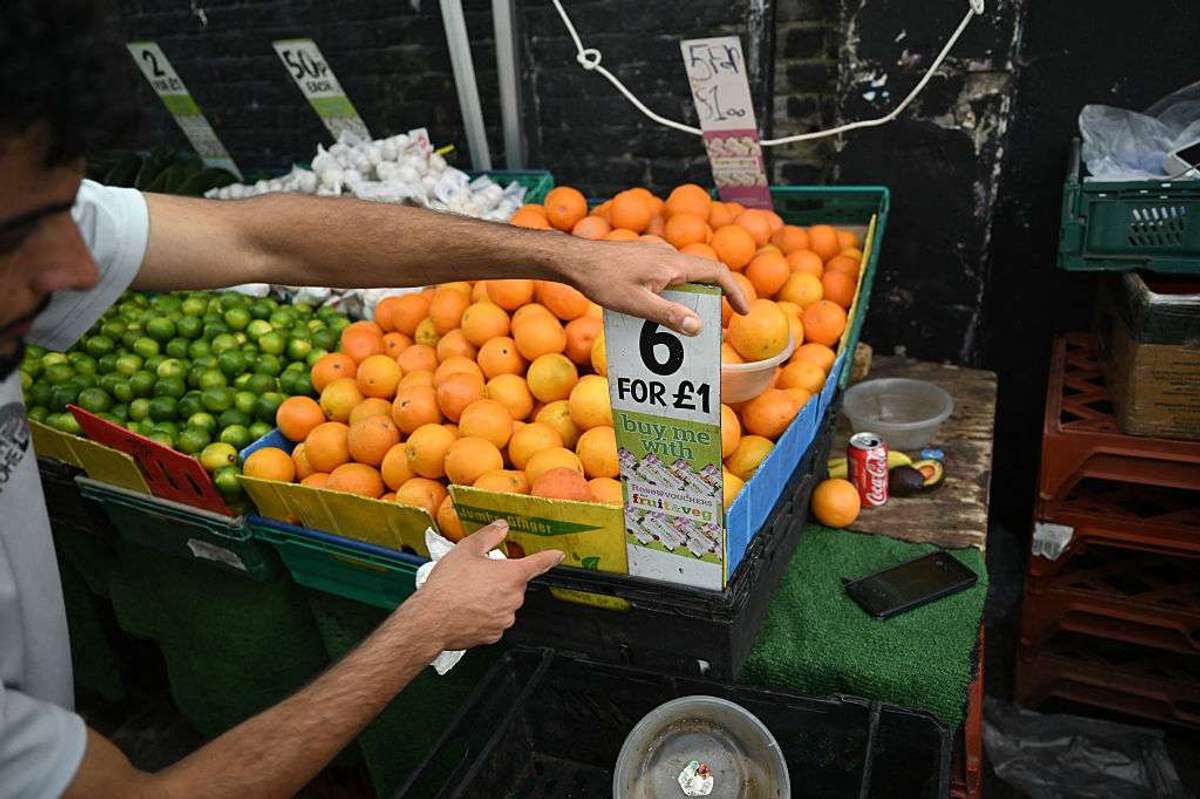
Food inflation, which economists had expected to surge after the start of the Iran war, remained at 1.3 per cent, adding to signs that fierce supermarket competition has helped to absorb the shock.
However, Food and Drink Federation last week predicted that food and non-alcoholic drink inflation may reach 3.9 per cent by December this year.
While this is significantly lower than the 9 per cent predicted by the trade body earlier this year following the outbreak of the Middle East conflict, it now forecasts a longer-lasting period of high inflation, peaking at 6.4 per cent in July 2027.