



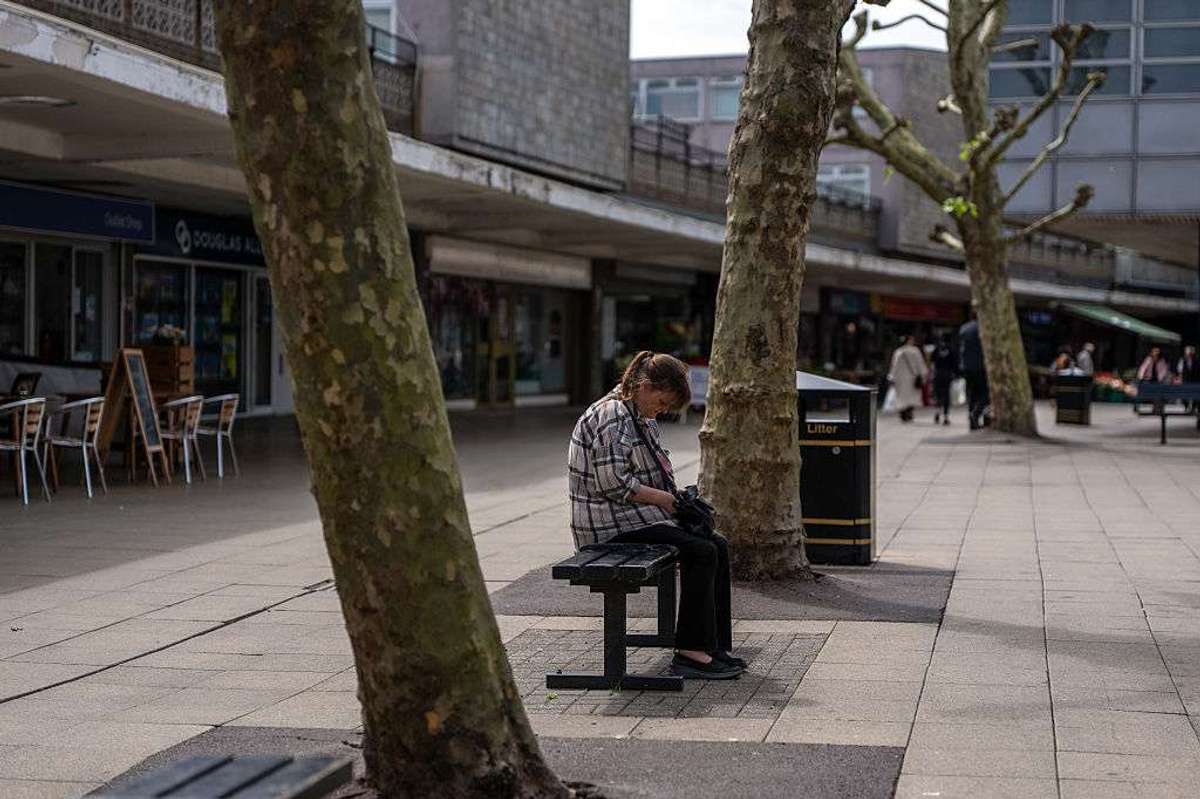

High streets and shopping centres recorded the steepest falls in September, while Northern Ireland was the only UK nation to see an increase in visits, according to BRC-Sensormatic data.
UK retail footfall fell by 2.9 per cent year on year in September, deteriorating from a 1.7 per cent decline in August, as shoppers remained cautious ahead of the crucial Golden Quarter trading period.
The latest data from the British Retail Consortium (BRC) and Sensormatic Solutions showed that shopping centres experienced the sharpest decline, with footfall down 3.5 per cent compared with September last year. High street visits fell by 3.0 per cent, while retail parks recorded a 1.7 per cent decline, reversing August’s 1.0 per cent increase.
The figures suggest that physical retail destinations are entering the final quarter of the year under pressure, with retailers facing the challenge of attracting shoppers amid persistent household spending pressures and uncertainty ahead of the Autumn Budget.
Helen Dickinson, chief executive of the BRC, said September had been sluggish as the end of summer saw fewer shoppers heading out.
While some seasonal slowdown was expected, she said the decline was sharper than a year earlier, with high streets and shopping centres suffering most.
“As we enter the crucial final quarter, retailers will do all they can to attract shoppers with great value and choice,” Dickinson said.
However, she called on the government to reduce the cost of doing business, urging the chancellor to avoid another increase in business rates in the forthcoming Budget.
She said this could unlock investment in shops and high streets, help retailers keep prices down and support employment.
Northern Ireland bucks the trend
Footfall declined across three of the four UK nations in September, with Northern Ireland the only region to record growth.
Visits increased by 2.1 per cent year on year in Northern Ireland, contrasting with declines of 0.7 per cent in Scotland, 3.0 per cent in Wales and 3.4 per cent in England.
Andy Sumpter, head of consulting and analytics for EMEA at Sensormatic Solutions, noted that temperatures had remained above seasonal norms, suggesting weather was not the main explanation for the weaker performance.
“Instead, consumers appear increasingly focused on broader economic concerns, including the continued impact of inflation, household spending pressures, fuel costs and uncertainty ahead of the Autumn Budget,” he said.
Golden Quarter puts focus on store visits
With the Golden Quarter now under way, retailers face mounting pressure to turn seasonal demand into physical store visits and spending.
Sumpter said businesses would need to give shoppers “compelling reasons” to return to stores as consumer confidence remained fragile.
“The heat is now on for retail as the sector approaches its most important trading period of the year,” he said.