




Smokers buying from illicit sources have doubled with main source reported as cheap purchases from friends and "under-the-counter" sales through otherwise legitimate outlets such as newsagents, corner shops and off licences, a new UK study has stated.
The findings come as the government prepares to introduce the landmark Smokefree Generation policy, placing even greater emphasis on retailer compliance and enforcement.
According to a new study led by UCL researchers published on Thursday (16) in Nicotine & Tobacco Research, the proportion of UK smokers purchasing any cigarettes or tobacco from illicit sources has almost doubled since 2023.
It found that while most (76.9 per cent) smokers reported only purchasing tobacco from legal sources, 23.1 per cent reported purchasing tobacco from illicit sources at least once in the previous six months during 2025, up from 12.2 per cent in 2023.
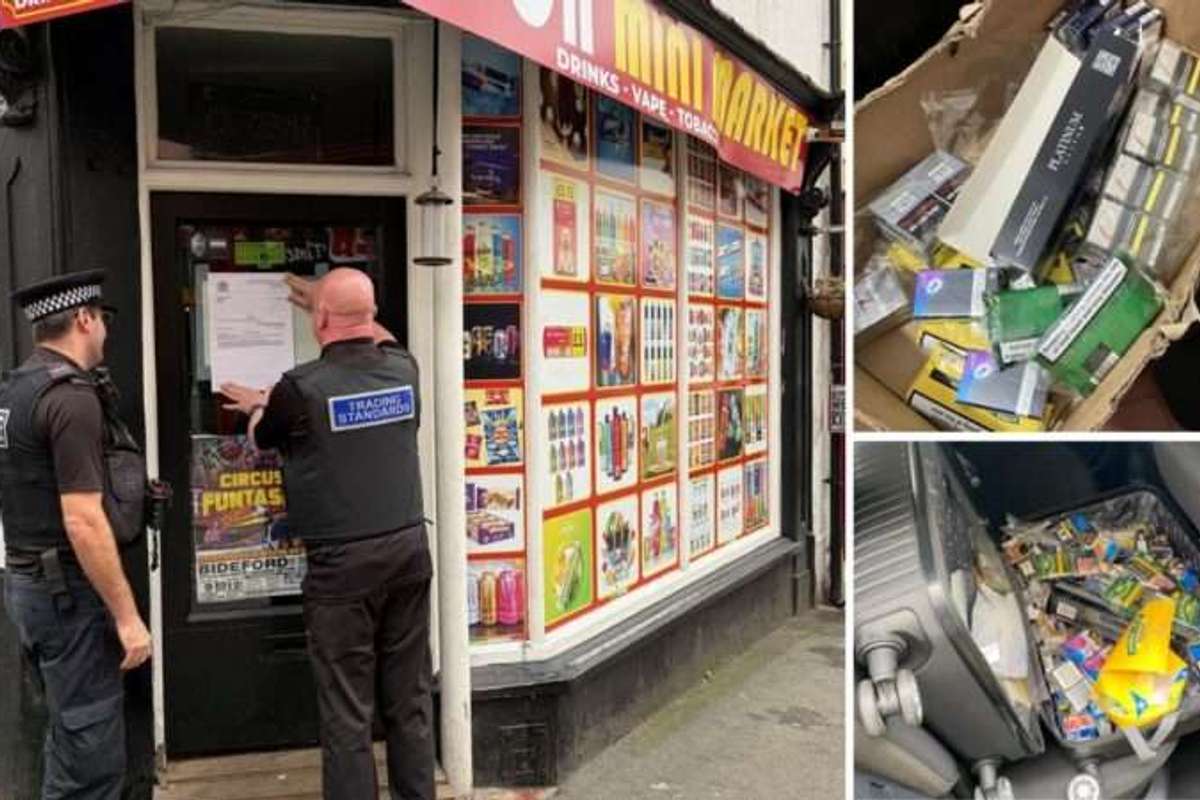
The main illicit sources reported by the study included tobacco bought cheaply from friends and tobacco sold "under the counter" through otherwise legal outlets such as newsagents, corner shops and off licences.
The study also found that many participants below the legal age of sale reported buying tobacco from legal retail outlets, in line with long-term trends. Among 16-to-17-year-olds who had purchased tobacco, 73.6 per cent said they had bought tobacco from newsagents and corner shops.
The study also found that most smokers still buy tobacco from traditional retail outlets such as supermarkets and corner shops. Cross-border purchases increased during the study period following the return to international travel post-pandemic, while online purchasing remained uncommon.
Lead author Professor Sarah Jackson (UCL Institute of Epidemiology and Health Care) said: “Our findings suggest that more smokers are turning to illicit sources of tobacco compared with 2023.
“That may partly reflect the financial pressures many people have faced in recent years, as people look for ways to reduce the cost of smoking, which also include switching to cheaper legal products, cutting down, or trying to quit completely.”
Senior author Professor Jamie Brown (UCL Institute of Epidemiology and Health Care) said: “While our findings suggest a growing proportion of smokers are purchasing some or all of their tobacco from illicit sources, this does not necessarily mean the illicit market itself has become much larger.
“Our survey looked at whether people bought tobacco from different sources, but not how often they did so or how much tobacco they purchased from each source, which are important factors in the size of the illicit market.”
The study, which was funded by Cancer Research UK, provides a snapshot of demographic trends in tobacco purchasing habits ahead of the rollout of the Tobacco and Vapes Act’s Smokefree Generation policy in the UK, which will make it illegal to sell tobacco to anyone born on or after 1 January 2009.
Professor Jackson said: “We were concerned by the number of underage participants reporting that they had bought tobacco from ordinary retail outlets. With the Smokefree Generation policy being introduced, it is hoped that access to tobacco will become more difficult for teenagers as the age of sale gradually rises.”
She added: “The success of the policy will depend not only on changing the law but also on ensuring that it is complied with. Effective enforcement and clear communication with retailers and the public will be essential, alongside continued efforts to reduce demand by supporting more people to quit smoking or switch to less harmful forms of nicotine.”
Dr Ian Walker, Cancer Research UK’s executive director of policy and information, said: “While this research doesn't signal that the illicit tobacco market has grown, it's concerning that amongst the declining proportion of people who smoke, an increasing number of people are purchasing tobacco from illegal sources. This highlights the need for stronger enforcement.
“Tobacco still causes around 160 cancer cases every day in the UK, and action to bring down smoking rates is vital. The Tobacco and Vapes Act will help to protect future generations from the harms of tobacco, but the UK government must also back this historic law with sustained investment to tackle illegal tobacco sales alongside support that helps people stop smoking.”