




Retail employment has fallen by 122,000 over the past two years, according to analysis from the British Retail Consortium (BRC), as the sector faces one of the highest effective tax burdens in the UK.
The BRC's analysis of 11 major sectors found that retailers paid the equivalent of 72p in business taxes for every £1 of pre-tax profit in 2025/26. This compared with an average of 50p across the sectors analysed, while hospitality faced an even higher rate of 82p.
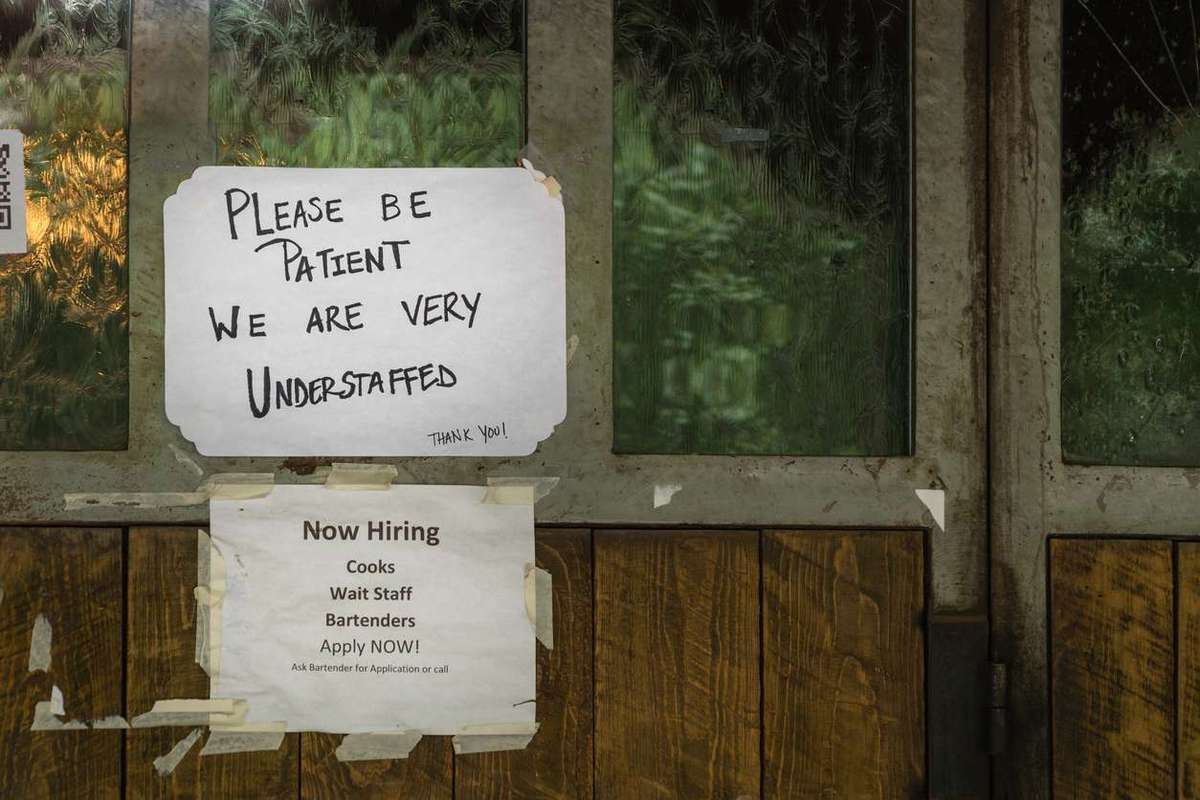
The BRC said rising costs were putting pressure on retailers' ability to create jobs and invest, with the 2024 Budget adding billions to employment costs. It said retail had lost 122,000 jobs in two years, while hospitality employment had fallen by 93,000.
The findings come as separate research from management consultancy Q5 shows that retailers are also fundamentally changing the types of roles they employ, as businesses respond to cost pressures, weak consumer confidence and the rapid development of AI.
Q5 analysed more than 160 retail and consumer businesses and found that demand for retail roles had fallen by 12 per cent since 2023.
The biggest declines were in centralised customer and digital roles, which fell by 25 per cent, followed by people roles (-23 per cent), support roles (-21 per cent) and finance roles (-20 per cent).
However, the changes are not being felt evenly across the workforce.
Technology roles fell by just 1 per cent, while communications and marketing roles declined by 4 per cent, suggesting retailers are continuing to prioritise functions linked to growth, customer experience and technology.
Q5 said retailers were reshaping corporate functions around higher-value strategic and advisory work, while automating many routine tasks.
“Businesses are currently in the midst of trying to automate routine processes – with new systems and tooling the big ticket items – but at the same time are increasingly recruiting for human skills like commercial judgement, analytical insight and a strong understanding of the customer to drive growth,” Matt Phelan, head of retail at Q5, said.
The research also found that grocery retailers operate some of the leanest head-office functions in British business, with around 500 headquarters staff per £1 billion in revenue.
While head-office teams continue to shrink, Q5 said store roles were largely being protected because they remain central to customer experience and operational delivery.
The BRC said the wider tax burden was already affecting high streets, with retail and hospitality together accounting for almost a third of business rates raised despite making up a smaller share of the economy.
It also warned that higher business taxes leave high-street businesses with less money to invest in jobs and local communities, while putting further pressure on prices for shoppers.
Helen Dickinson, chief executive at the BRC, said the chancellor faced a choice between continuing to increase the tax burden on high streets or giving businesses “the breathing space needed to create jobs, deliver growth, and hold down prices”.
“This punishing tax burden has clear consequences: job losses, shuttered shops, and a missed opportunity to drive growth in every postcode. For the benefit of high streets, young people and shoppers everywhere, the chancellor should use the Budget to deliver a clear path to reducing the rates burden, now and in the future,” she said.
Ahead of the Budget, the BRC and UKHospitality are calling for high-street retail and hospitality businesses to be removed from the government's business rates high-value multiplier.