




For a period, sustainability dominated headlines across the spirits industry. That has faded. Not because the issue has gone away, but because the commercial reality has changed. When margins are tight and costs rise, survival comes first. That is the position many producers, distributors and independent retailers find themselves in, with the ability to invest squeezed by energy prices, labour pressures, business rates and duty. For independent retailers, those pressures are felt particularly sharply.
For a while, “conscious consumerism” meant shoppers were prepared to make values-led purchasing decisions, but that has slowed, largely because people have less money. Price has become the dominant driver again. Retailers see this first-hand every day. When customers are watching every pound, sustainability is no longer an automatic differentiator at the till.
That creates a difficult tension. Doing things more sustainably often carries an upfront cost. Packaging changes, energy efficiency and supply chain decisions rarely come cheaper in the short term. The challenge is how we move forward from here.
The Government’s default approach to driving change is through taxation and penalty. Schemes such as Extended Producer Responsibility (EPR) for packaging are designed to push behaviour in the right direction, but they do so by adding cost at a time when businesses are already under strain.
A carrot would work better than a stick. Incentives alongside regulation would encourage far more meaningful investment. Business rate relief, energy rebates or tax credits linked to measurable carbon reduction would unlock genuine appetite to act, particularly among smaller businesses constrained by cash flow.
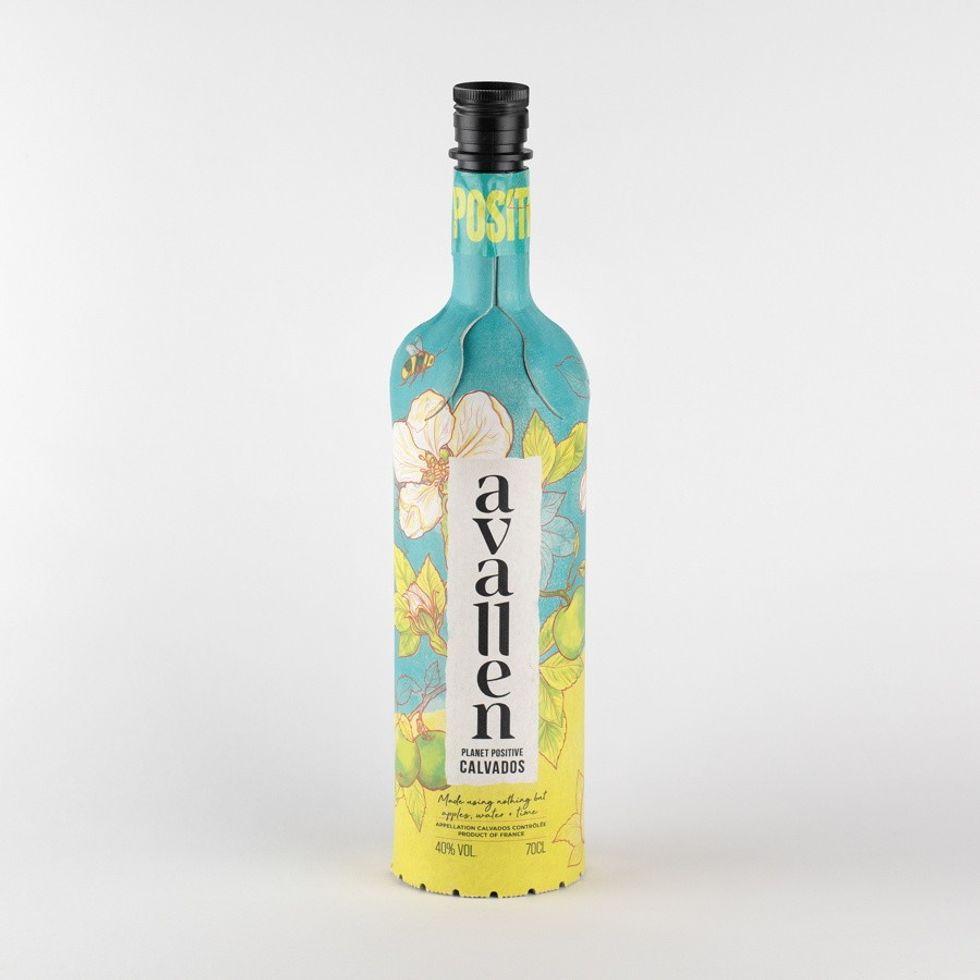 Avallen paper bottle with FrugalpacPhoto: Handout
Despite headwinds, there are glimmers of hope. Some producers are proving what is possible when sustainability is built in from the start. Brands such as Avallen show sustainability can be a structural choice rather than a marketing layer.
Producers such as Rhum JM have demonstrated how estate-grown sugarcane, controlled water use and on-site production can reduce environmental impact while protecting quality. Two Drifters made carbon reduction a core consideration, operating an electric distiller and using closed-loop chilling systems.
Penrhos Spirits moved their entire range into 100% recycled aluminium bottles in 2022. At the time, it was a bold move.
These examples matter to independent retailers because they shape what arrives on shelves and behind bars. Ultimately, it will be innovation and entrepreneurial thinking, not government punishment, that drives sustainability. The spirits industry is full of people prepared to rethink how things are done. When there is room to breathe again, sustainability will return firmly to the agenda, this time with commercial as well as ethical solutions.
 Nick Gillett Photo: Handout