




Food charities and social enterprises across the UK have today come together behind a single shared plan, committing to triple the volume of surplus food made available for redistribution as part of a new National Programme to Redistribute Surplus Food.
The plan, which has been developed over many months by sector leaders and co-authored by IGD and the newly merged FareShare and The Felix Project, will see the food industry, charities and social enterprises working collectively, alongside philanthropists and the government. The Bread and Butter Thing, City Harvest, Community Shop, Feeding Britain, His Church, Neighbourly, Trussell and the Xcess Network have all joined forces behind this ambitious vision.
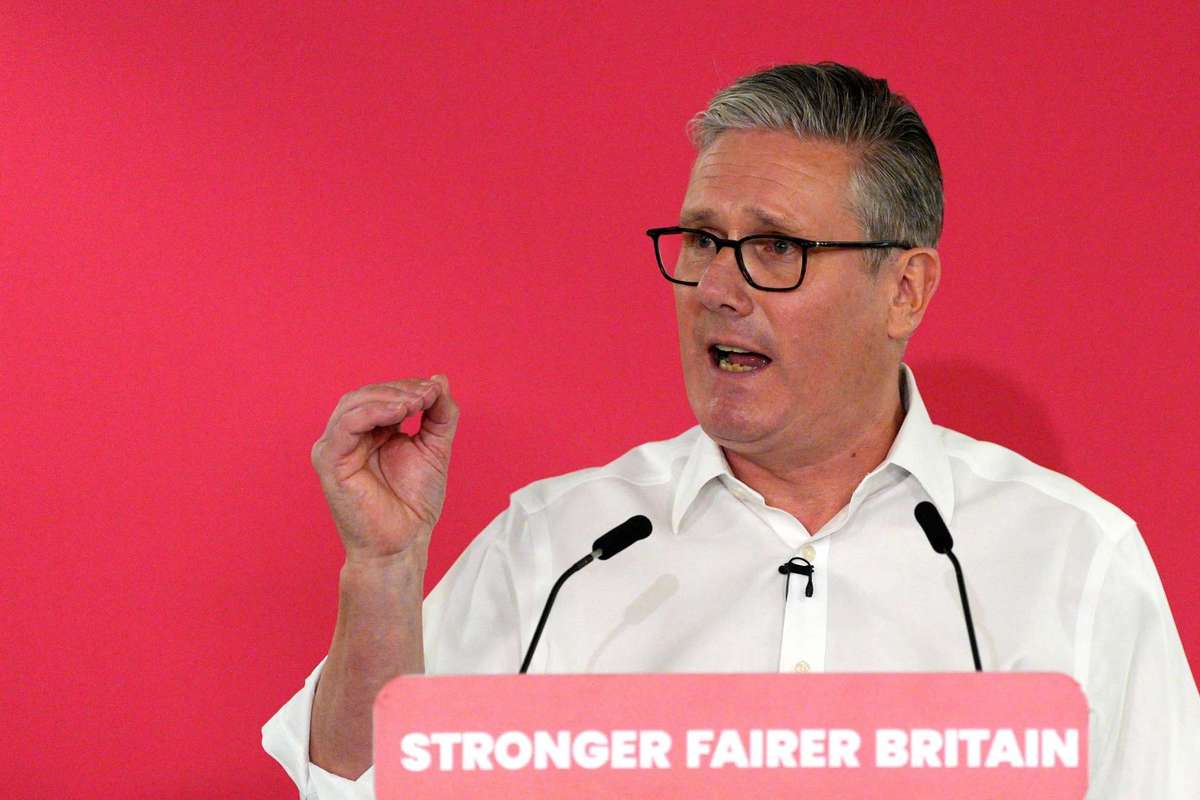
“Faced with challenges, we don’t retreat from our Labour values," the prime minister told Parliament following the King’s Speech. "Strength through fairness. So, we will keep supporting those who need it the most, including by creating a new national programme to redistribute surplus food.”
This plan intends more food will reach people who need it the most. The initiative establishes food redistribution as a key pillar in the UK's national approach to food systems change.
The community organisations supplied by redistribution networks do far more than provide food. They are the places where older people find connection, where families access financial and housing advice, and where young people get a start.
More food means more of that work is possible, and it frees up vital resources across the community sector to go further still. Scaled up, this is not just a solution to a waste problem. It is an investment in the social fabric of the country.
IGD predicts that with food inflation set to rise sharply and household budgets coming under further pressure, demand for support from the charity sector is expected to grow. The partners hope that funding committed through the National Programme to Redistribute Surplus Food will reach communities in time to support those turning to community organisations for help.
Government, business, philanthropy, social enterprise and the charity sector each have a distinct and essential role to play. Tripling surplus food redistribution is not something any one organisation can deliver alone and today marks the first step towards achieving that ambitious target. One that will reduce waste, strengthen communities and demonstrate what a genuinely collaborative national effort can achieve.