



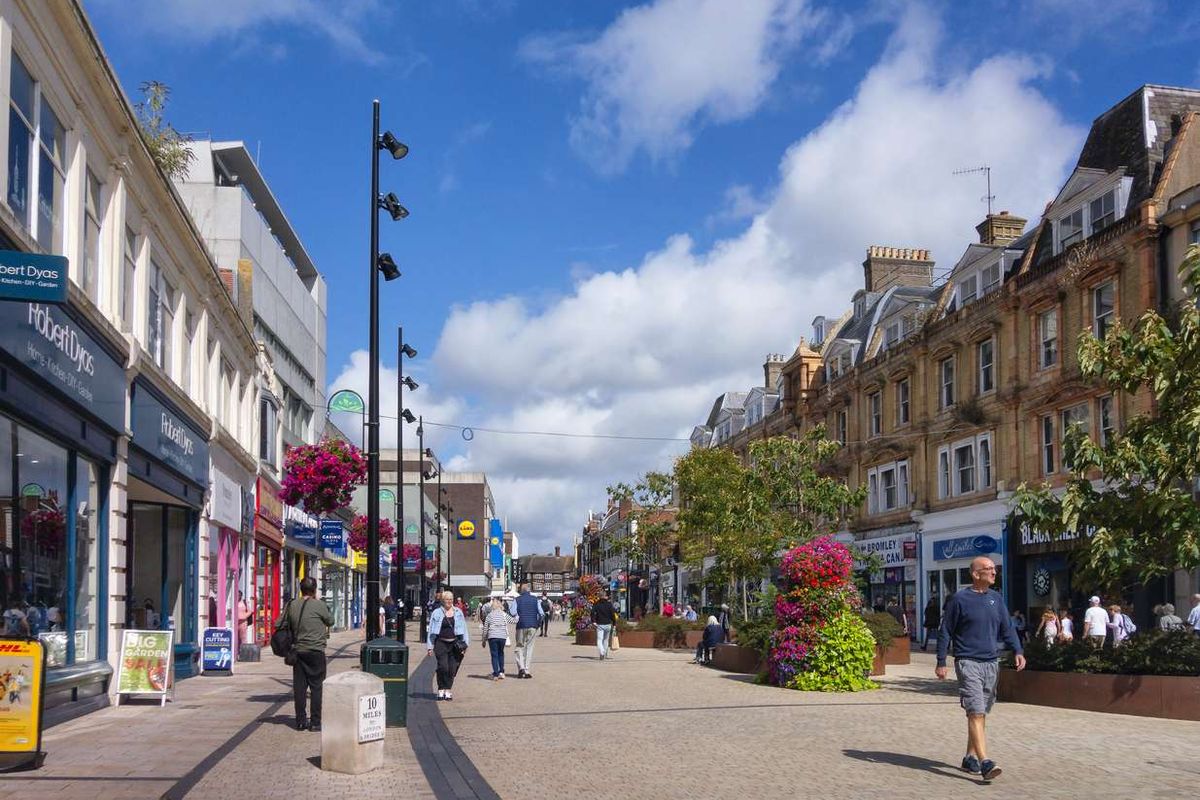

The government's announcement of £319 million for high street revitalisation is, on the face of it, good news. And I mean that sincerely. After years of watching town centres hollowed out, it is genuinely encouraging to see a government putting serious money behind the idea that high streets matter. The Pride in Place strategy, with its High Streets Innovation Partnerships and vision of town centres reimagined as mixed-use community spaces, shows at least an understanding that these places are worth fighting for.
But I have been in this industry long enough to know that investment alone does not revive a high street. Footfall initiatives and regeneration funds can do a great deal – and I hope they do – yet they cannot paper over structural problems that are pushing independent retailers to the brink.
The cost of running a shop in Britain today is for many simply unsustainable. Business rates remain the biggest barrier to long-term survival on the high street. They bear no relation to the trading reality facing most independents, and they have not kept pace with the seismic shift in how consumers now shop. Every pound a retailer pays in rates is a pound not invested in their shop, their staff or their customers. Reform is not just desirable – it is urgent.
And we cannot ignore the competition created by overseas imports, particularly the flood of low-value goods arriving through online marketplaces paying little or no duty. British retailers play by the rules, pay taxes, employ local people and invest in their communities. They deserve a level playing field. Imposing a handling fee on low-value imports would begin to address that imbalance – and the revenue it generates might help deliver business rates reform.
There's also engagement. The High Streets Innovation Partnerships will only succeed if they genuinely involve the businesses that trade there. It is those retailers – the independent bakers, hardware shops, grocery stores – who understand what their communities need and what will bring people through the door. A programme is designed around them rather than with them, will miss the point.
So yes, a welcome announcement. The investment in playgrounds, community hubs and mixed-use spaces have a role to play in making town centres places where people want to go. But the government must go further. Revitalising the high street is not just about bricks and mortar but also creating conditions where independent businesses can survive and thrive. That means tackling costs, fairness, and listening to the people who are doing the hard work keeping high streets alive.
 Andrew Goodacre Photo: Handout