



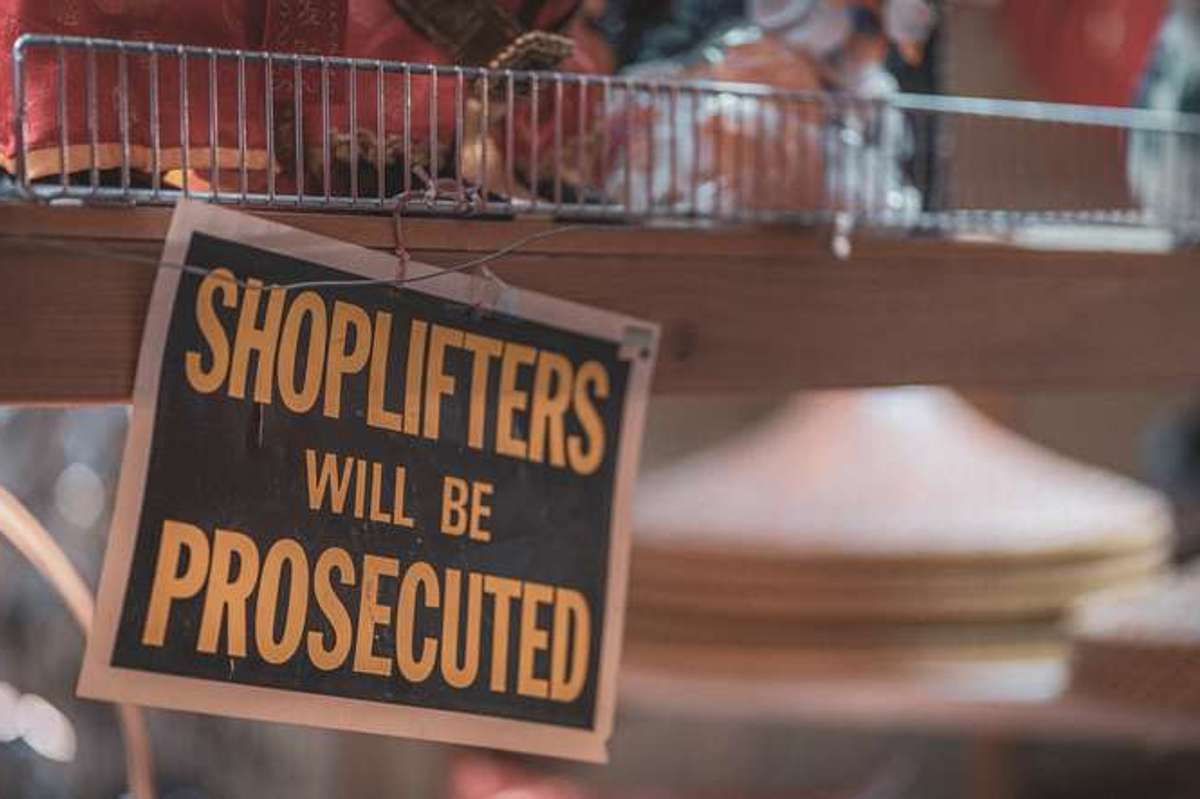

Following a period of increases in shoplifting, new data released today (Oct 22) by ONS shows a 2% decrease (to 519,516 offences) in YE June 2026, when compared with the previous year (530,336 offences).
The figures also show robbery of personal property fell by 9% to 57,693 offences, although overall robbery rose by 10% to 87,362 offences.
From the ONS’ notes on the release, if an offender enters a retail premises, steals, and either uses or threatens violence against a shop worker, or security guard, or any other person at the time, or uses or threatens violence to escape, then an offence of robbery of business property should be recorded.
The dip in shoplifting and rise in overall robbery can both be attributed to changes in how robbery of business property is recorded by police forces.
Headline figures from the ONS release include:
- A 2% decrease in the number of shoplifting offences to 519,516, compared to the previous year which recorded 530,336 offences.
- A 10% increase in the overall number of robbery offences recorded to 88,282
- Offences involving knives or sharp instruments fell by 6% to 48,615 offences
- Offences involving firearms decreased by 8% to 5,065 offences
Cautiously welcoming the figures, Chris Brook-Carter, chief executive of retail industry charity the Retail Trust, said: “The small reduction in retail crime is another sign that combined efforts by the government, police and retailers are starting to make a difference, but there is still much more to do before people working on the frontline of retail feel genuinely safer and happier at work.
“Today's figures don't yet the reflect the reality of many of the shop workers we speak to, who tell us their confidence, wellbeing and sense of safety are being damaged by daily incidents of theft, violence and abuse. This is at the same time that our latest Retail People Index shows four in 10 staff are at already risk of working while unwell and nearly half are considering leaving their jobs.
“The stronger protections for shop staff being introduced as part of the Crime and Policing Act are also welcome steps towards dealing with persistent offenders and serious crime. But these measures alone won't bring an end to the everyday hostility, intimidation and verbal abuse that too many shop workers face, and which often goes unreported.
“The improvements we're seeing in recorded shop theft now need to be backed by consistent enforcement, better reporting processes and more practical training and wellbeing support to help staff respond to and recover from incidents.
"Every one of us also needs to play our part in challenging the attitudes that have allowed abuse towards shop workers to become so commonplace by creating more positive, respectful interactions between customers and retail staff.
“Threats, intimidation and hostility should never be accepted as simply ‘part of the job’, and we hope these figures signal that the tide may finally be beginning to turn after years of unacceptably high levels of crime and abuse so that shop staff can feel genuinely safer, more respected and properly supported.”
Claiming that the recent ONS shoplifting figures don't necessarily reflect how safe retail workers feel on the shop floor, Matt Dawes, Head of Enterprise at HALOS, said, "A 2% fall in shoplifting is positive, but the headline crime figures only tell part of the story. The stats don’t necessarily reflect how safe retail workers feel on the shop floor or the aggression and intimidation they may face but never formally report.
“Lower retail crime figures need to translate into better experiences for employees too. Staff need to know that when something does happen, there’s a clear process for reporting it and that incidents will be taken seriously.
“Retailers need to focus on training, clear procedures and the right technology to help staff feel protected without placing the burden of intervention on them. Falling shoplifting figures are encouraging, but the real measure of progress is whether people on the shop floor feel safe and supported at work.”