



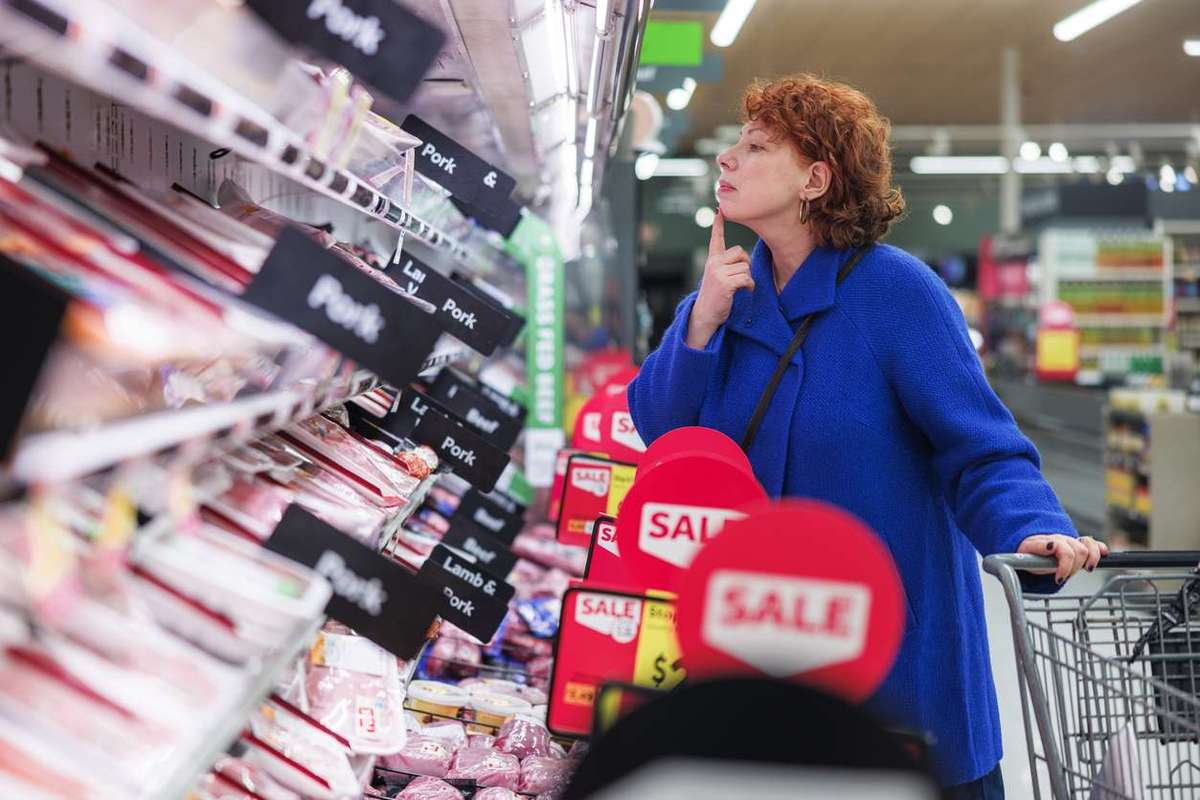

Shop price inflation slowed in July as retailers stepped up promotions across food, clothing and other categories, offering some relief to household budgets despite persistent cost pressures facing the sector.
According to the latest BRC-NIQ Shop Price Monitor, shop price inflation fell to 0.9 per cent year on year in July, down from 1.2 per cent in June and below the three-month average of 1.1 per cent.
Food inflation also eased, falling to 2.2 per cent from 2.4 per cent in June, while non-food inflation slowed sharply to 0.2 per cent, compared with 0.6 per cent the previous month.
Within food, fresh food inflation accelerated to 3.1 per cent from 2.8 per cent, but ambient food inflation dropped to 1.1 per cent from 1.9 per cent, helping to bring overall food inflation lower.
Helen Dickinson, chief executive of the British Retail Consortium (BRC), said strong competition among retailers had helped keep prices in check.
“Good news for households in July as shop price inflation slowed. Retailers competed hard to limit price rises, with a wave of summer promotions across food and other goods,” she said.
“Shoppers benefited from deals on snacks and alcoholic drinks during the football World Cup, while clothing and footwear retailers offered significant discounts as they started clearing summer stock. Some categories, including electricals and health & beauty, saw higher inflation as rising chip prices and manufacturing costs fed through.”
However, Dickinson warned that retailers continue to face mounting cost pressures that could put upward pressure on prices in the months ahead.
“While today's figures are encouraging, growing cost pressures remain on the horizon. Higher employment costs and packaging taxes, global instability and climate-related disruption all make it more expensive to get products onto shelves.
“The best way to keep the cost of living down is to keep the cost of doing business down. Cutting unnecessary taxes and levies on energy bills would help retailers keep prices low, invest locally and support jobs in every town and city.”
Mike Watkins, head of retailer and business insight at NIQ, said the easing in shop price inflation should provide some support for consumer spending.
“Shop price inflation remains lower than a year ago, which will help shoppers as they manage other increases in household spend, such as energy and fuel,” he said.
“So, we can expect promotions to continue to be an important part of driving demand for the rest of the summer.”