



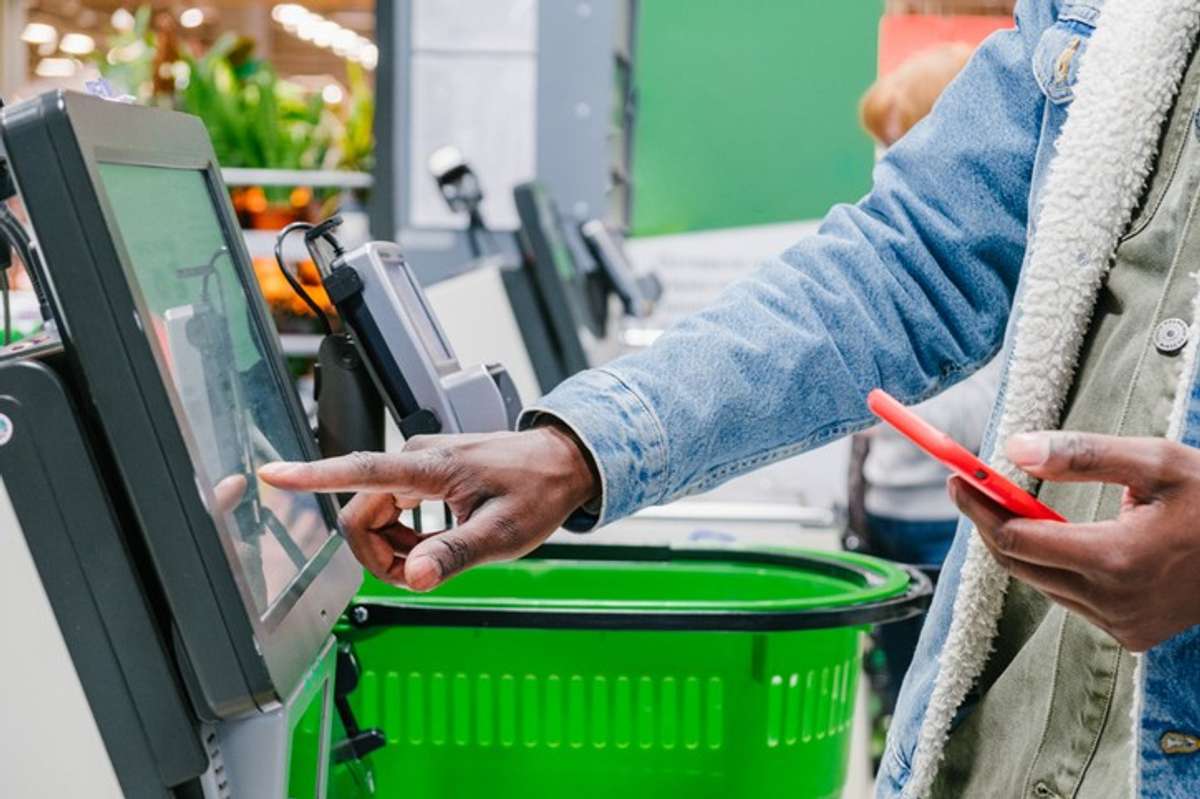

One in nine self-checkouts in London convenience stores are out of action at any given moment because of technical faults, according to new research released by Scalefusion, highlighting how faulty machines can erode customer experience.
The research, covering 730 self-checkouts in 100 London stores run by four of the UK’s largest supermarket brands, found that on average 11 machines were unavailable to shoppers. In one instance, every self-checkout was running but none could take contactless card payments, a fault that lasted for several days in a row.
Scalefusion is warning that, with so many convenience stores competing for the same customers, a single faulty machine will create delays and queues that erode customer experience and drive business elsewhere.
The Virgin Media O2 Business Movers Index found that 38 per cent of UK shoppers have left a store or avoided returning because of complicated or unreliable technology, rising to 51 per cent among Gen Z. Self-checkouts top the list of frustrations, cited by 33 per cent.
Sriram Kakarala, Chief Product Officer at Scalefusion, says: “Convenience stores depend on quick visits – if speed isn’t possible, they’re no longer convenient. And there’s an alternative on almost every urban street. Technology now plays a vital role in how consumers experience a brand. Every machine out of action means longer queues, frustrated staff and disappointed customers."
“As convenience estates grow, supermarket chains are managing tens of thousands of self-checkouts, so a small technical fault can quickly become an operational problem at scale. A machine that’s out of action ties up staff and sends customers to competitors. Retailers need to be able to fix faults remotely and rapidly to keep downtime to a minimum, or they risk losing both customers and revenue.”