



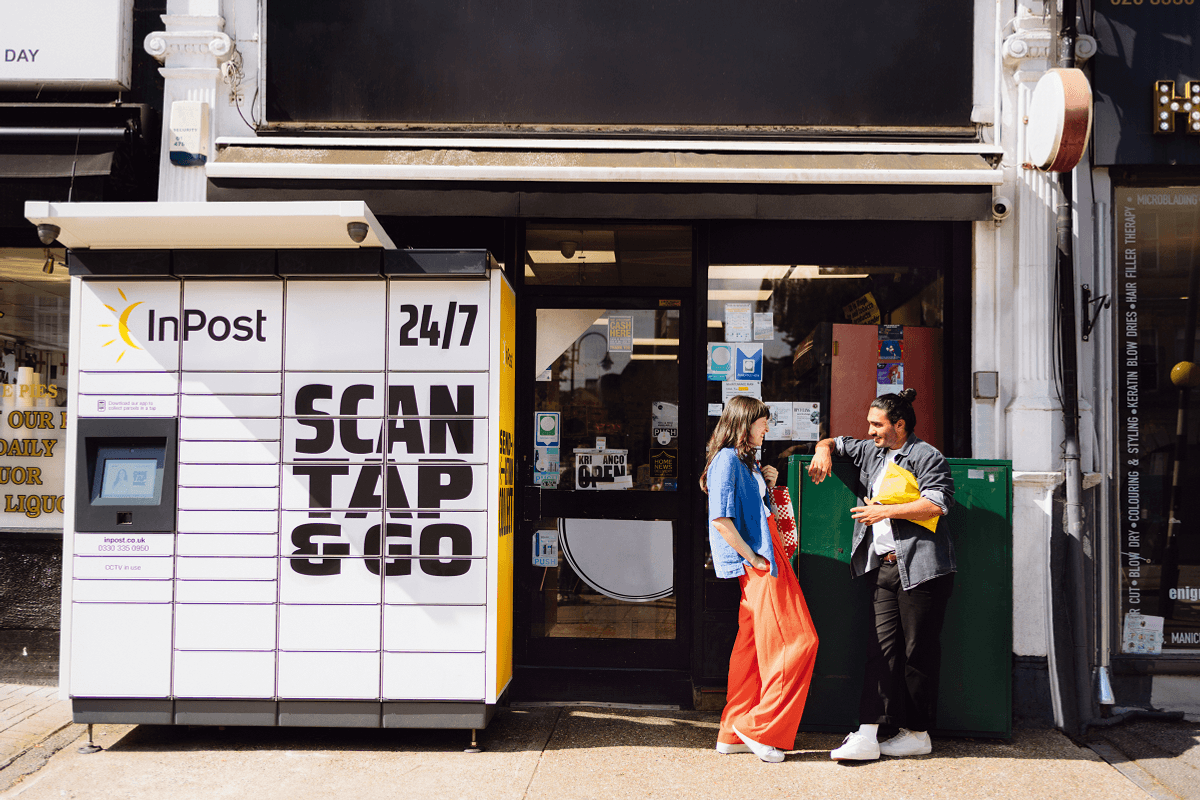

Shoppers are increasingly rejecting time-consuming returns processes and are actively choosing options that fit around daily life – a shift that is creating new opportunities for convenience retailers hosting parcel lockers.
New nationwide research from InPost UK reveals that nearly two-thirds of shoppers now select how to return parcels specifically to avoid queues, highlighting growing frustration with traditional returns that depend on printing labels, restricted opening hours or long waits.
Crucially for convenience stores, 64 per cent of respondents said parcel lockers are an appealing way to return items, while fewer than one in ten found them unappealing – signalling that lockers are fast becoming an expected part of the returns journey.
The study shows returns are no longer viewed as a minor post-purchase task, but as a core part of the overall shopping experience – particularly in January, when consumers are sending back incorrect sizes, unwanted gifts and impulse purchases.
While 69 per cent said completing returns early helps them feel more organised and in control, many still delay for days or weeks due to friction in the process. Barriers include having to print labels (38 per cent), inconvenient locations (32 per cent), lack of time (25 per cent) and concerns about missing return windows (22 per cent) – turning returns into stressful “life admin”.
Clothing is the biggest driver of January returns, with more than six in ten shoppers citing incorrect size or fit, underlining the importance of fast, friction-free options close to home or work.
Commenting on the findings, Michael Rouse, CEO International at InPost, said shoppers now expect simplicity and flexibility across the entire parcel journey, including returns.
“What shoppers are rejecting isn’t returning items, it’s the wasted time that comes with queues, printers and limited opening hours. That frustration is particularly visible in January, when people want to clear their to-do lists and start the year feeling organized,” he said.
“InPost Lockers remove those friction points entirely. With 24/7 access, no need to print labels and locations people already visit as part of everyday life, they turn returns into a quick, easy and seamless task. That gives people time back, and that matters to consumers.”
The research, conducted among more than 1,000 UK consumers in January 2026, points to a broader behavioural shift: shoppers are prioritising choice, flexibility and convenience not only at delivery, but at returns too – reinforcing the growing strategic value of out-of-home parcel infrastructure for the convenience channel.