




October proved to be a month of highs and lows for UK retail destinations, as changing weather, half-term holidays and an increasingly cautious consumer influenced when and where people chose to visit.
Across the month, footfall declined by -0.3% from September and -0.7% year on year. High streets experienced the greatest volatility, ending October down -1.9% month on month and -2.5% year on year, while retail parks remained comparatively resilient, recording annual growth of +2.2%. Shopping centres also recorded a rise in visits of +2.1% month on month but remained broadly level with last year at +0.1%.
These figures align with trends seen in previous years for October.
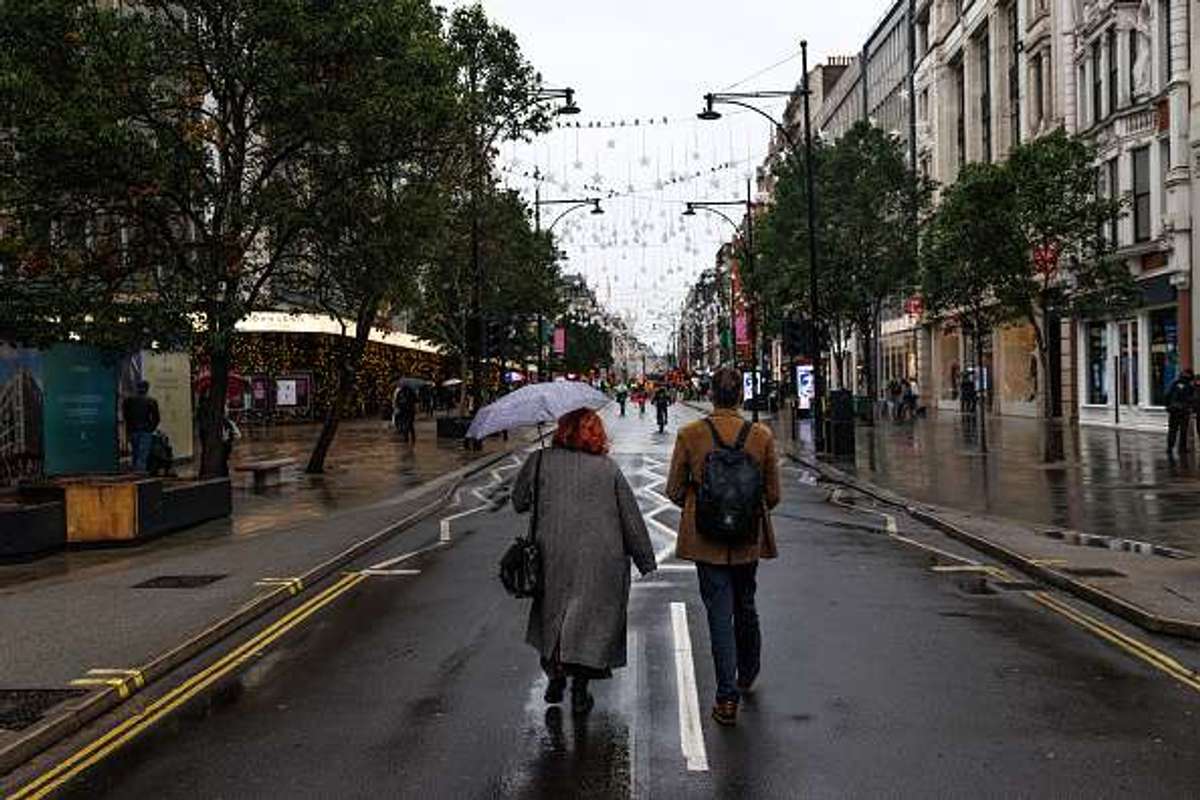
Much of October’s fluctuation reflected the changing season. High streets, more exposed to the elements, recorded some of the month’s biggest swings. This was particularly evident in the penultimate week of the month when overall footfall fell by -7.7% week on week and high street visits declined by -13%, likely influenced by Storms Austen and Boelo. The final week told a very different story, however.
Half term, alongside recovery from the previous week’s storms, contributed to a +17% rebound across UK retail destinations, including increases of +22% across high streets and +17.1% across shopping centres. Footfall finished that week +2.2% ahead of the same period in 2025.
What October perhaps demonstrates most clearly is how considered consumer behaviour has become. MRI Software’s Insights from the Inside research revealed that almost three quarters of store managers reported fewer impulse purchases than last year. This suggests shoppers are increasingly selective about both the trips they make and the purchases they make once there.
That becomes particularly significant as retail moves into November. The NIQ Consumer Confidence Index fell 11 points to -24 in October, with consumers’ confidence in making major purchases falling particularly sharply, down 14 points to -22. Expectations for personal finances over the next year also deteriorated. Against that backdrop, November’s extended promotional period could assume even greater importance.
Alongside this, the Autumn Budget on 28th October also landed just as retailers entered this critical period, following a month in which consumer confidence had deteriorated sharply. November will therefore provide an important test: shoppers may still be willing to spend, but increasingly on their terms, at the right time, in the right place and, crucially, at the right price but will this be online or in-store?
In recent years, Black Friday has evolved from being a single-day event to a month long occasion. ‘Black November’ increasingly gives value-conscious shoppers a reason to wait, compare and seek out the right deal. October’s slightly weaker footfall and decline in impulse purchasing could therefore represent caution rather than an absence of appetite.
Physical retail stores and destinations have an opportunity here. As shopping patterns become less predictable, retailers will need a clearer picture of footfall trends and performance across their property portfolios to understand where demand is shifting and assess how different locations are performing. This means looking beyond discounting alone, particularly when shoppers can access deals online.
Christmas markets, festive light switch-ons, cultural celebrations and experience-led events throughout the month of November can provide additional reasons to visit and turn a bargain-hunting mission into a wider day out. Previous years have seen Black Friday footfall soar – especially in towns and city centres – as consumers combined shopping with festive activities. As the Golden Quarter gathers pace, success may ultimately depend on giving increasingly selective shoppers not only the right price, but a compelling reason to make the trip.