



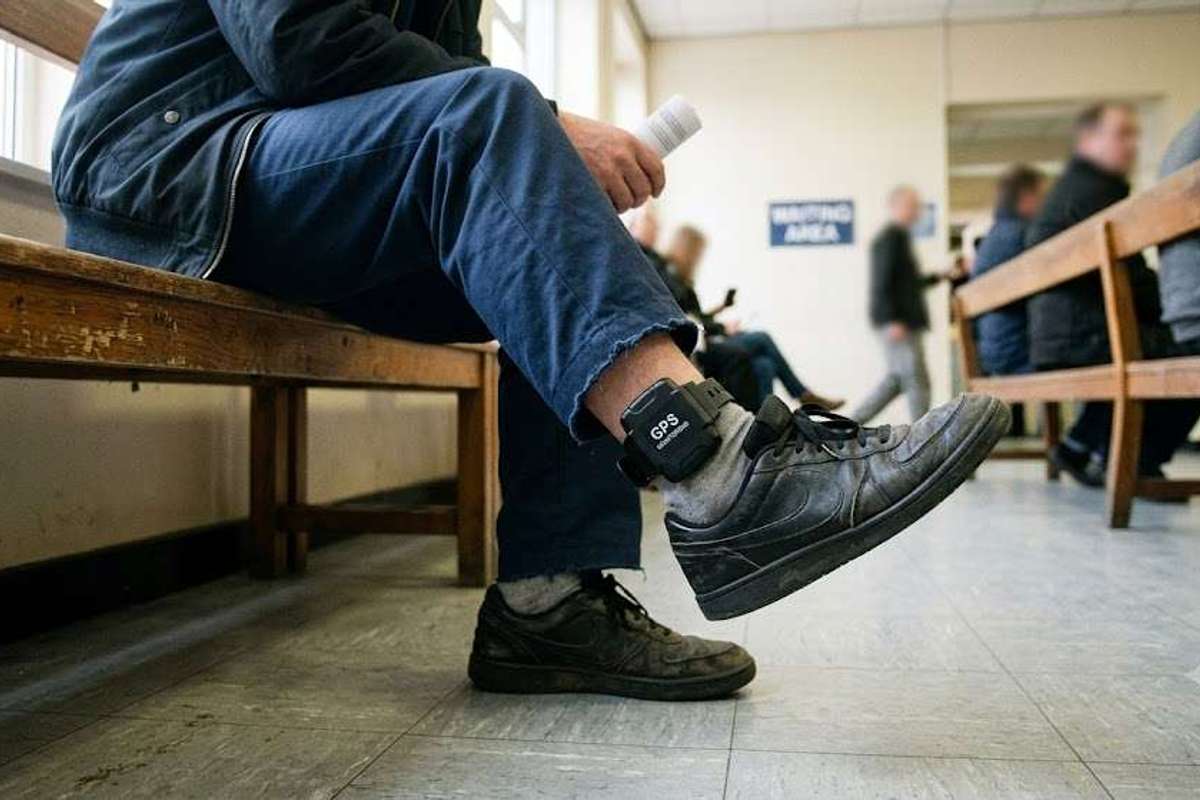

Around 500 repeat offenders responsible for a disproportionate share of shop theft will be targeted in a new government pilot, with courts able to impose movement restrictions and GPS tagging.
The government is launching a targeted crackdown on around 500 of the UK’s most prolific shoplifters, with up to 16 police forces set to take action against repeat offenders operating in their areas.
Announced by home secretary Shabana Mahmood on 18 November, the pilot will focus on individuals believed to be responsible for a disproportionate amount of shop theft. Those targeted could face strict restrictions on their movements, including bans from high streets and town centres, as well as GPS tagging if ordered by a judge.
Other measures could include closer monitoring through Intensive Supervision Courts, which require offenders to attend more regular hearings before a judge. Those who fail to comply with court-imposed conditions could face imprisonment.
Foreign offenders could also be referred to Immigration Enforcement for further action, including deportation where appropriate.
Mahmood said a small number of repeat offenders were responsible for significant levels of shop theft, leaving businesses out of pocket and making retail workers feel unsafe.
“Under this government, shop theft is starting to fall, and more offenders are getting charged. Now we are going further by targeting those who are causing so much harm to our communities and stopping them in their tracks,” she said.
Under the programme, police, probation services and other local partners will work together on individualised plans for each offender. This could include building stronger cases for prosecution by bringing together evidence of multiple offences, ensuring repeat offenders face appropriate consequences.
The government cited the Metropolitan Police's Operation Kelleher in Bromley in 2025 as an example of the impact of targeted enforcement. The operation focused on just 10 prolific offenders and reportedly reduced recorded retail crime in the borough by 70 per cent. Some retailers reported stock losses falling by as much as 80 per cent.
One store saw its weekly losses drop from £7,000 to £400 following the intervention. The operation resulted in arrests and charges, with Criminal Behaviour Orders secured against several offenders.
The Home Office said the new pilot would combine enforcement with measures to address the underlying causes of offending, including drug and alcohol addiction, in an effort to break the cycle of repeat crime.
An initial £2.5 million in funding will be made available to participating police forces and local partners, with support tailored to the needs of individual areas.
The first forces invited to take part include West Midlands Police, Merseyside Police and the Metropolitan Police Service. Selection is based on either high levels of retail crime or previous work to tackle the issue.
The announcement comes as the government reports a 2 per cent fall in shop theft compared with the previous year, following several years of increases. However, retailers continue to call for stronger action against theft, abuse and violence in stores.
ACC Alex Goss, National Police Chiefs’ Council lead for retail crime, welcomed the additional support, highlighting the importance of collaboration between police, government, retailers, the security industry and academia.
“Recent national figures show an increase in retail crime outcomes alongside reductions in retail crime, demonstrating both a stronger criminal justice response and encouraging progress in preventing offending. This reflects the positive impact of the collective efforts being made by policing and partners across the retail sector,” he said.
Sainsbury’s chief executive Simon Roberts described retail crime as a “national emergency” requiring a coordinated response.
He said targeted action against prolific offenders was an important step, adding that colleagues and customers deserved to feel safe in stores.
“We now need to see more arrests and prosecutions of those who target UK retailers without fear of consequences and we look forward to working closely with authorities as these measures are put into action,” he said.
Helen Dickinson, chief executive of the British Retail Consortium (BRC), also welcomed the programme, saying a small group of repeat offenders was responsible for a disproportionate amount of retail crime.
Dickinson also called on the government to move quickly to implement the powers introduced in April under the standalone offence of assaulting a retail worker, saying this, alongside the newly announced measures, would provide a more effective response to retail crime.
“Combining robust enforcement with targeted support to tackle the root causes could make a real difference to our high streets and communities,” she said.
Paul Gerrard, Co-op’s director of campaigns, public affairs and policy, said the targeted approach was another important step towards addressing the harm caused by repeat offenders.
“While we’ve seen a welcome reduction in retail crime at Co-op, more needs to be done and we need to continue to work together to deliver long-term meaningful change for communities,” he said.