



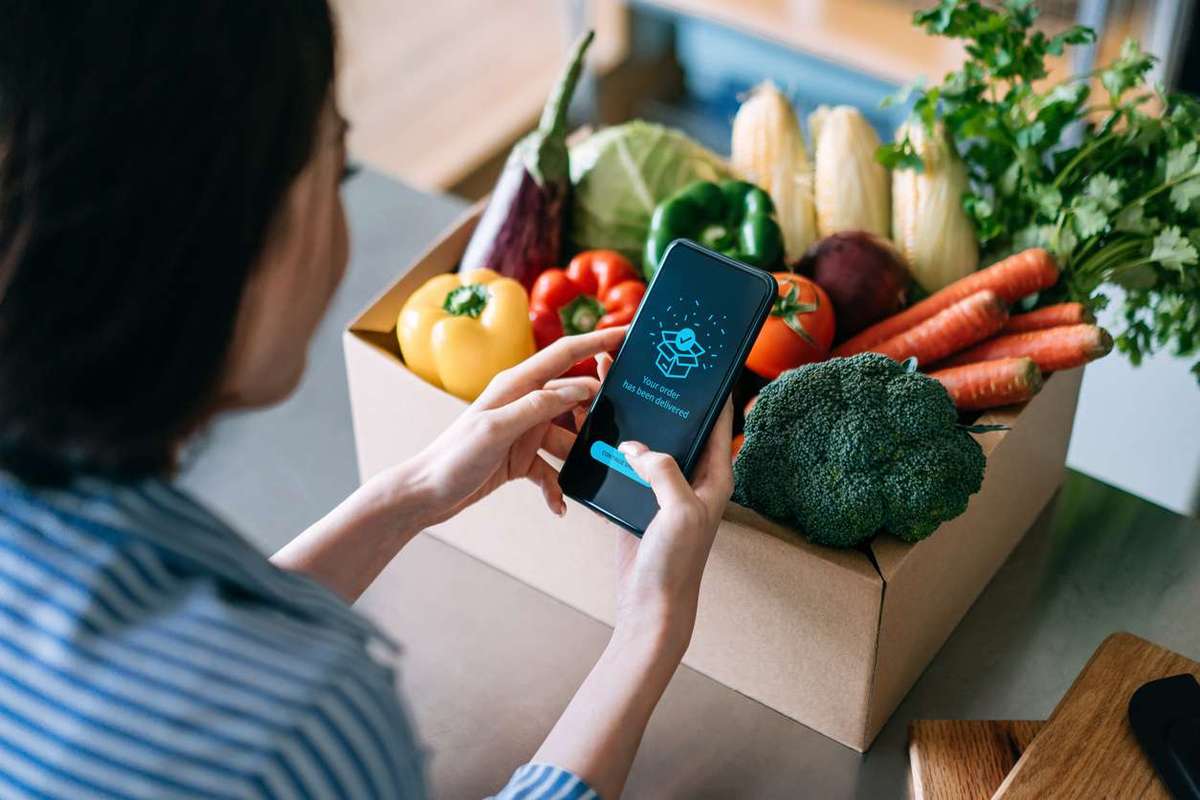

The rapid growth of quick-commerce platforms such as Deliveroo is transforming how UK consumers approach grocery shopping, placing new pressure on bricks-and-mortar retailers to match digital-first expectations in-store, according to new research from Pricer.
A survey of more than 1,000 UK shoppers highlights a market increasingly influenced by the convenience, personalisation and seamless pricing associated with rapid delivery apps, even as households face ongoing cost pressures.
Pricer’s findings suggest that while q-commerce has shifted where people shop, its bigger impact lies in raising expectations across all retail channels. Shoppers are becoming accustomed to real-time promotions, personalised offers and integrated loyalty schemes, and now expect the same experience in physical stores.
“Q-commerce is changing where people shop, but more importantly what they expect from every shopping experience,” Finn Wikander, chief product officer at Pricer, said. “Shoppers are now used to personalised pricing, real-time promotions and seamless loyalty integration.”
The research indicates that traditional grocers risk losing ground if they fail to respond. Around 78 per cent of shoppers expect in-store prices to match those online, while 79 per cent say consistent pricing is key to building loyalty. At the same time, 66 per cent report frustration with channel-exclusive deals, and nearly half (48 per cent) check prices online while shopping in-store – rising significantly among younger and more affluent consumers.
“Q-commerce has normalised the idea that loyalty should be rewarded instantly and consistently,” added Wikander. “Retailers can no longer treat pricing, promotions and loyalty as separate systems.”
Demand for value remains strong, with 74 per cent of shoppers actively seeking discounts and promotions. However, the data points to a growing “two-speed” market: more price-sensitive consumers are trading down and switching stores, while higher-income and younger shoppers are prioritising convenience, product transparency and premium experiences.
This divide is reflected in shopping behaviours, with 63 per cent of respondents visiting multiple stores to secure better prices and 69 per cent seeking greater choice and variety – rising to 82 per cent among higher-income households. Meanwhile, 31 per cent say they are shopping more frequently at premium supermarkets, largely driven by affluent consumers.
The study also highlights rising interest in in-store technologies that can replicate the ease of digital shopping. More than half (52 per cent) of shoppers want real-time price comparisons at the shelf, while 49 per cent are looking for personalised offers during their store visit. Demand for digital signage stands at 41 per cent, and a quarter (25 per cent) express interest in electronic shelf labels – rising to over a third among younger and higher-income groups.
However, adoption will depend on clear, tangible benefits. Some 61 per cent of shoppers support in-store technology if it improves the experience and helps keep prices low, though there remains caution around solutions perceived to replace staff or add complexity.
“Retailers don’t need to become Q-commerce platforms,” commented Wikander. “But they do need to bring the same immediacy, accuracy and relevance into the store. That’s where technologies like electronic shelf labels come in, enabling real-time pricing, consistent promotions and better communication at the shelf edge.”