



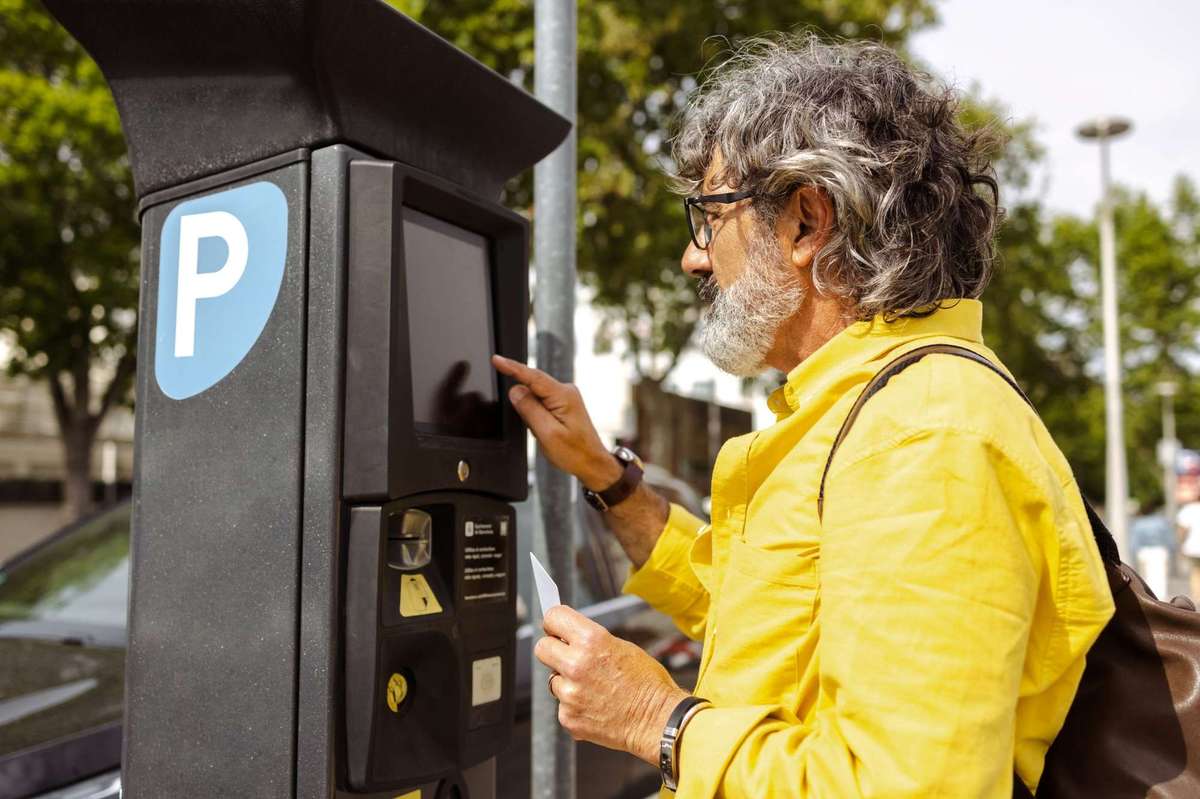

Parking is a bane for many retailers whose stores are in urban areas and who might lack a private apron. While councils often take years to deal with a pot-hole (expenditure), their traffic wardens will patrol the streets incessantly, handing out penalties (income) to hapless drivers who have stopped briefly to drop off or pick up something or someone.
Council parking fines in London vary from £90 to £160, and typically £50 to £70 across the country, while private parking penalties remain egregious. Despite levels officially being capped at £100 (with anecdotes of being ticketed or clamped in fast food car parks while ordering inside the restaurant) private operators frequently adopt a “sky’s the limit” approach, imposing charges of £thousands in certain cases, meaning that the average driver's life is being made a misery for marginal errors and infringements.
Add to the fines the cruel escalators that persecute hard-up working people, increasing a fine by 50 per cent or more if not paid with 28 days (Westminster, for example issues penalties of up to £130 which increase to £195 if not paid within just 14 days), and “gotcha” parking restrictions seem less a way of keeping the traffic flowing and more a system of extortion carefully designed to squeeze citizens until the pips squeak.
Now, however, Prime Minister Andrew Burnham has taken steps to alleviate the pressure on motorists.
"Being a few minutes late back to your car or typing one digit of your number plate wrong shouldn't end with a hefty fine landing on your doormat," he said on October 18, while outlining plans to rein in the cowboys (the rules also apply to councils).
The government has made multiple legislative and policy attempts to fix fines over the past seven-to-nine-years, dating back to initial manifesto commitments around 2017 and the Parking (Code of Practice) Act 2019, to rein in rogue parking operators. The fact that Burnham is trying again – and he promises only, as before, a Code of Practice rather than hard laws – is hopeful but melancholy.
Under the prime minister’s new proposals, oppressed drivers will be given the right to challenge private parking charges and more time to settle fines.
Ten minutes will be allowed to vacate car parks without facing a penalty after “time up”, and the new Private Parking Code of Practice stipulates the right for drivers to have charges cancelled on appeal for honest mistakes, alongside car park breakdowns, out-of-order ticket machine, medical emergencies, checking directions and extenuating circumstances (there have been reports over the years of fines being handed out to motorists while queuing or stuck in traffic jams, even at broken traffic lights).
Burnham projected that his fresh rules would be in force by the end of the year, and the stick with which rogue operators will be beaten involves cancelling their access to DVLA information, which would allegedly make it more difficult for them to pursue meretricious claims against motorists.
Major motoring and consumer groups, including the AA, RAC, Which?, and IAM RoadSmart, welcomed the new measures, grace periods, and capped fees, while lamenting that the code falls short of banning private parking debt recovery fees or establishing a fully independent appeals body.
For independent retailers not blessed with vast acreage, the changes, if effective, could mark one of the most positive things the government has done for the convenience channel, as it will remove at least some of the psychological apprehension that deters a motorist from pulling up and making an impulse purchase because she fears the cost of a coffee or loaf of bread might end up with a fine added to the bill that swallows up an entire week’s grocery budget.