



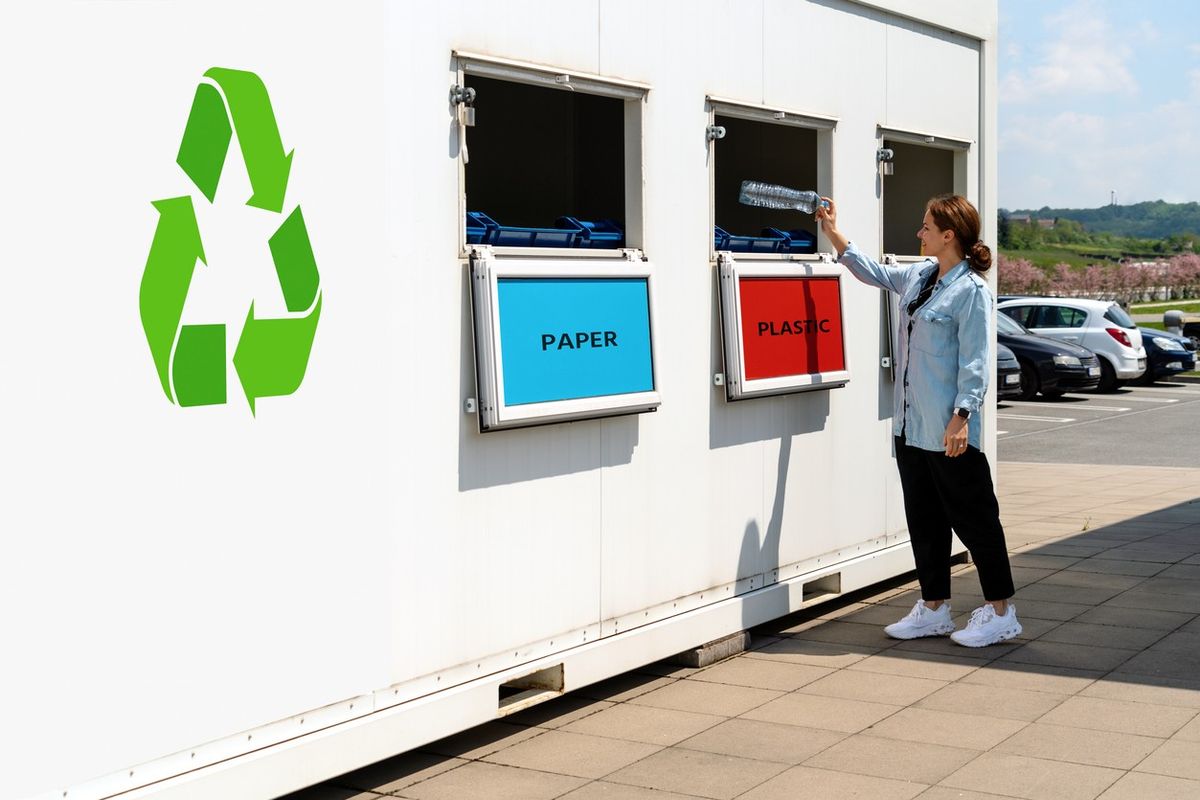

Retailers will soon need to know exactly what they and their customers can put into a food waste bin.
Businesses and non-domestic premises began mandatory separation last March, with separate collections for food waste and dry recyclables (plastic, glass, metal, paper/card, cartons). Private households in England will conform from March 31, with weekly food waste collections and expanded dry recycling streams, including plastic film, next year.
Local authority guidance shows that food waste bins can accept a wide range of items, more than many households may realise.
These typically include:
- Cooked and uncooked food
- Plate scrapings
- Tea bags and coffee grounds
- Eggshells
- Meat, fish and bones
- Bread, rice and pasta
- Out-of-date food once removed from packaging
Food waste should usually be placed in biodegradable or compostable liners, which are often supplied or available through local councils. With some councils already delivering new food waste caddies to residents, households can be better equipped to know what food waste can be recycled before the law comes into effect.
While these rules are generally consistent, we recommend that households check with their local council for guidance on food items that can and cannot be placed in their food bin.
- Items that should not be placed in food waste bins include:
- Food packaging of any kind
- Plastic, glass or metal
- Garden waste
- Cooking oil or liquid fats (Beyond very small amounts, otherwise need to be disposed of in general waste or recycling centre
Where food packaging labelling falls short
While some councils have been collecting food waste for years, packaging guidance hasn’t always kept pace. Some common issues include:
- Some packaging will say “Remove food and recycle” without explaining how and where food waste can be disposed of
- No mention of food bins at all on the packaging (many items such as teabags, ready meals and meat and fish packaging only mention how to dispose of packaging, not the leftover food components themselves)
- Labelling on compostable packaging can be vague, leading to possible confusion on how and if it can be recycled
- Current recycling icons assume high recycling literacy, which isn’t true for everyone
As food waste collections become more widespread this Spring, these gaps increase the risk of waste contamination, which will undermine the effectiveness of the new legislation.
Ahead of Simpler Recycling, why is adjusting labelling necessary?
Improving food waste guidance on packaging could play a key role in the effectiveness of the upcoming legislation changes.
Clearer labelling can:
- Reduce contamination in food waste collections
- Improve food waste recycling rates
- Lower disposal and rejection costs for councils
- Improve environmental outcomes through anaerobic digestion
- Give households confidence that they are disposing of waste correctly
Updating packaging labelling is one of the most cost-effective methods of changing behaviour around recycling.
“As food waste collections become standard for households this Spring, packaging needs to do a better job of explaining what happens to food once it's used,” said Mark Hall, packaging waste management expert at BusinessWaste.co.uk.
“We regularly see packaging instructing people to “remove food and recycle” without any explanation of where that food should go. For many households, this creates uncertainty and increases the risk of food waste ending up in the wrong bin.”
“Clear, plain English guidance that explicitly references the food waste bin is one of the simplest and most cost-effective ways brands can support Simpler Recycling. Small changes to labelling guidance could make a significant difference to contamination rates, council waste collection costs and overall recycling outcomes that our country is desperately trying to improve.”