



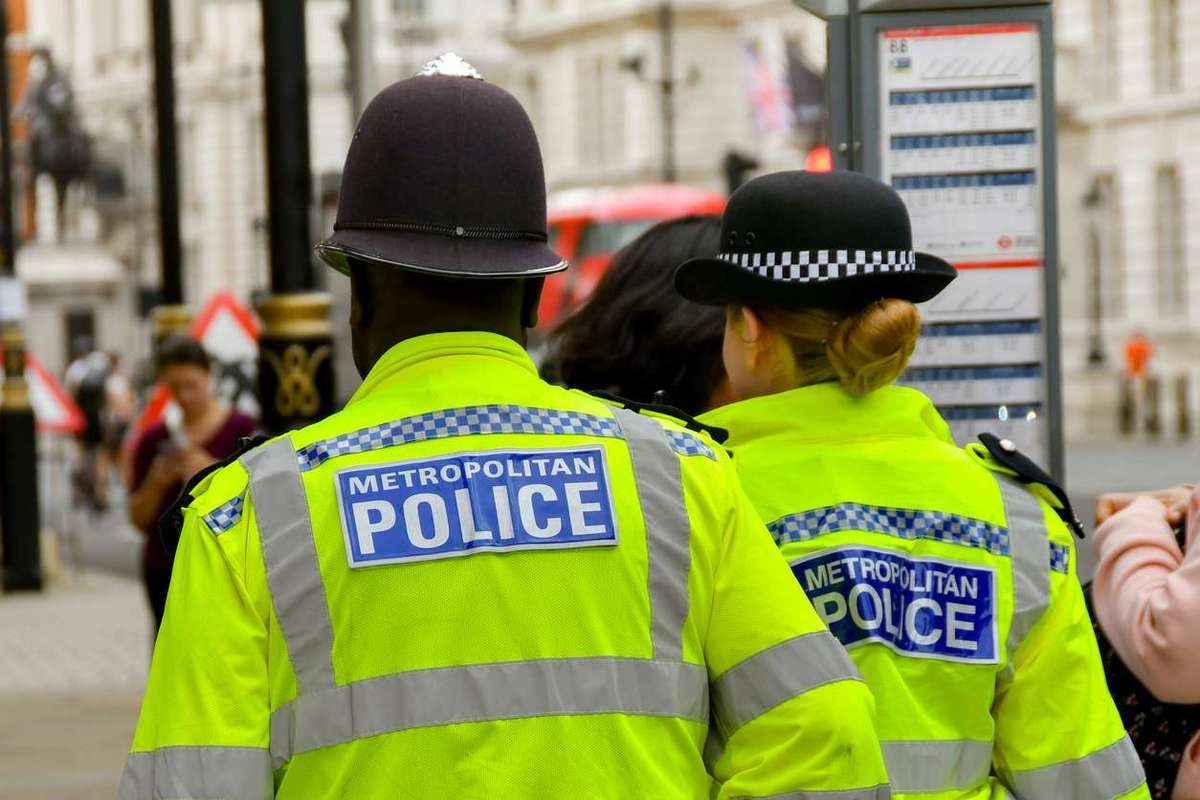

Retailers are set to benefit from a £7 million injection into neighbourhood policing and intelligence-led enforcement as part of the government’s biggest overhaul of policing in more than 200 years.
Announced in a Home Office white paper published on 26 January, the funding will support a major crackdown on organised retail crime gangs, with money earmarked to help forces identify offenders, disrupt tactics used to target shops and bring more criminals to justice.
The investment also includes a new graduate recruitment programme for neighbourhood policing, designed to attract top university talent into specially trained frontline roles across England and Wales.
For convenience retailers grappling with rising theft and antisocial behaviour, the reforms place renewed emphasis on visible local policing. Under an expanded Neighbourhood Policing Guarantee, every council ward will have its own named, contactable officers, building on the existing rollout of local teams. The government has also set new national response targets, with forces expected to reach the most serious incidents within 15 minutes in cities and 20 minutes in rural areas, and to answer 999 calls within 10 seconds.
The Home Office said the measures are aimed at restoring confidence in local policing while freeing officers to focus on everyday crime, including shop theft.
Responding to the announcement, Tom Ironside, Director of Business and Regulation at the British Retail Consortium (BRC), welcomed the funding but stressed the need for sustained action.
“We welcome government funding aimed at cracking down on shoplifting and organised crime,” he said.
“Retail theft remains a major issue and is often linked to criminal gang activity. It not only harms businesses, but pushes up the cost of goods for honest shoppers. Tackling this effectively will require sustained prioritisation from police and government, as well as close co-ordination with retailers. We look forward to seeing more details on the funding, and to working with the Home Office to deliver real progress in tackling theft.”
Alongside the neighbourhood policing boost, the white paper sets out structural reforms intended to strengthen frontline capacity. These include plans to establish a new National Police Service to tackle the most complex and serious crimes, bringing together specialist capabilities such as the National Crime Agency, counter-terrorism policing and organised crime units under a single organisation. The move is designed to lift pressure on local forces so they can focus more on community-level crime.
The government will also review the number of police forces in England and Wales, with a view to consolidation, and introduce national procurement for equipment and technology – a change expected to save up to £350m for reinvestment into frontline policing.
Technology will play a central role, with more than £140m pledged for tools including AI to help analyse CCTV and mobile phone footage, and a five-fold increase in live facial recognition vans. Ministers say these investments could return up to six million hours a year to frontline policing – the equivalent of around 3,000 officers.
For retailers, the reforms also promise stronger accountability. Forces will be graded against new national targets on response times and victim satisfaction, while the Home Secretary will gain powers to intervene directly in underperforming forces. Mandatory vetting standards and a new “licence to practise” for officers are intended to raise professional standards across the service.
Taken together, the government says the package represents a reset for policing, with neighbourhood teams, faster responses and targeted action against organised gangs forming the backbone of efforts to tackle retail crime and improve safety on the UK’s high streets.