



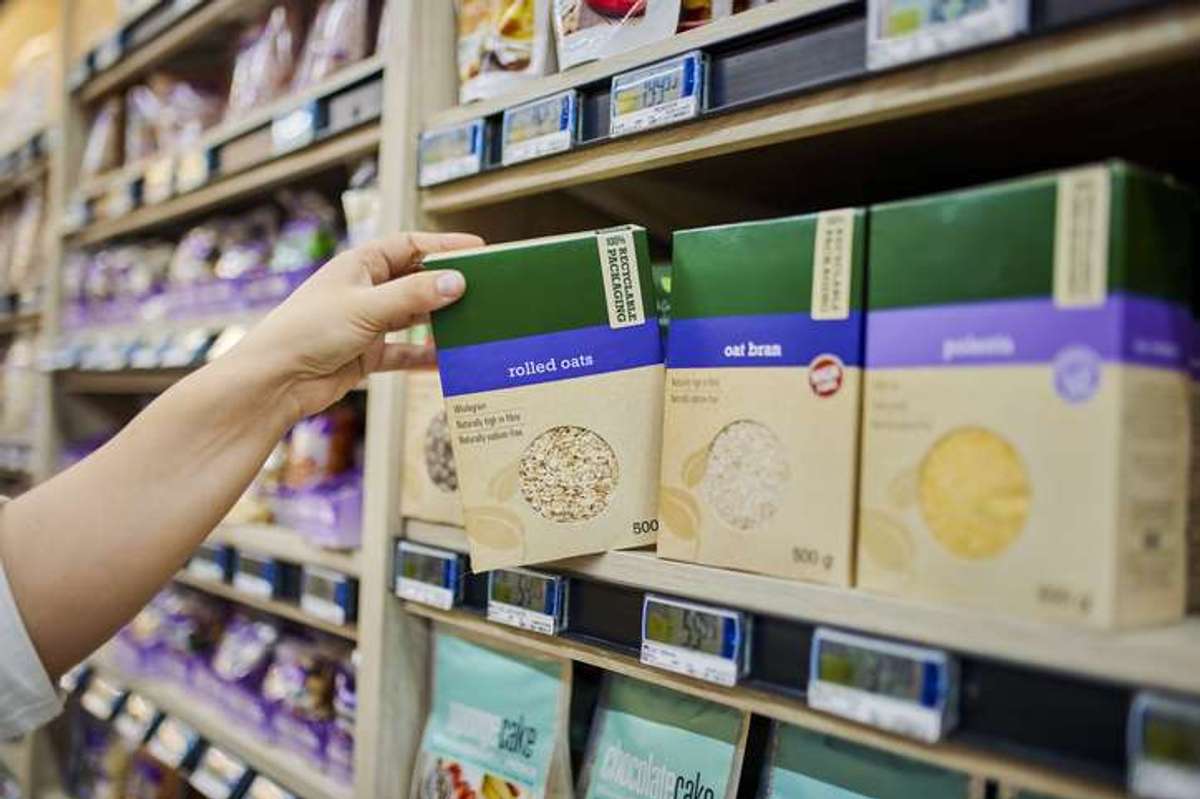

Demand for filling foods such as porridge oats is booming, driven by social media trends branding them “nature’s Ozempic” or “Oatzempic”, states a Waitrose report, highlighting changing consumer habits that could create new opportunities for convenience stores.
Porridge oats are emerging as an unlikely beneficiary of the trend, with Waitrose reporting a 124% increase in sales of its Scottish Oats this year. The retailer attributes the surge partly to social media interest in “nature’s Ozempic” and “Oatzempic” – terms used to promote everyday foods that are claimed to mimic some of the appetite-suppressing effects of weight-loss drugs.
The shift extends beyond people taking GLP-1 medication. A Waitrose poll found that 64% of shoppers are actively choosing foods such as oats because they help them feel fuller for longer.
For convenience stores, this points to an opportunity to review how everyday categories such as porridge, breakfast cereals, nuts, seeds, pulses and tinned fish are ranged and promoted, as shoppers increasingly look for filling and nutrient-rich options.
“GLP-1s are reshaping the entire food and drink landscape, even for people who aren’t on the medication,” The Guardian quoted Dr Joanne Lunn, Waitrose’s head of health and nutrition, as saying. “As appetite patterns change, customers’ baskets are shifting towards smaller portions, nutrient density and high-satiety (feeling full) foods.
“We’re seeing a growing shift towards savoury porridge,” said Lunn, who suggests swapping sweet toppings for chilli oil, bone broth and roasted veg is the “ultimate hack for a low-sugar, high-satiety boost”.
The influence of weight-loss medication is growing across UK households. Around 2.6 million adults were using weight-loss medication in August, an increase of approximately 700,000 since February, according to Worldpanel by Numerator. Its survey also found that more homes now contain GLP-1 users than vegetarians and pescatarians combined.
The effect on grocery shopping is significant because nearly eight in 10 GLP-1 users are also the main grocery shopper in their household, according to the Waitrose report.
Among respondents taking weight-loss medication, 88% said they were shopping differently as a result. More than half said they were eating more protein, a third were drinking less alcohol, while one in five had increased their supplement consumption and a similar proportion were eating more fish.
The trend is also influencing what shoppers put into everyday meals. Waitrose reports growing interest in adding fibre and nutrients through salad toppers, seeds and cereal stir-ins – a practice it describes as “fibre-maths”.
Oats, meanwhile, are being repositioned beyond the traditional sweet breakfast bowl. Social media creators are experimenting with savoury versions, including combinations with miso, chilli oil, bone broth and roasted vegetables.
The retailer also identified pulses, nuts, seeds and tinned fish among the foods gaining attention through online discussions about alternatives to weight-loss jabs. These ingredients could offer convenience retailers opportunities across ambient grocery, snacks and meal solutions as shoppers seek more protein- and fibre-rich choices.
Beyond the GLP-1 effect, Waitrose’s annual report also points to emerging flavour trends, including “smugar” – a combination of sugar and smoky, burnt flavours – which it expects to feature in bakery products, barbecue ranges and desserts in 2027.