





Everywhere you look, people are carrying carboard cups of tea and coffee; either that or they have an RTD latte can in hand, or are chugging back an iced tea or a cold milk drink – on-the-go beverages, hot and cold, have found their métier satisfying the hassled, on-the-hoof workers and pedestrians of modern Britain, and so the market for takeaway drinks is brewing nicely.
According to data-grinders Research and Markets, the UK Ready-to-Drink (RTD) Tea and Coffee market is growing even faster than the hot drinks sector, and is projected to reach £702 million by 2033, up from £449 million in 2024, growing at a compounded annual rate of 5.36 per cent, way ahead of many other grocery categories. Mordor Research discovered that Iced latte drinks captured over 50 per cent of UK RTD coffee market in 2024.
The UK figures for convenience channel share of the hot beverage market in 2024 were even more impressive at £294m, suggesting a massive over-indexing in the sector – since mults don’t sell much coffee and tea – and that figure was up almost three per cent from the year before. And the surge is driven by quality – by shoppers wanting cafe-grade drinks available to drink as they go or to take and make at home. Carlsberg Britvic’s Ben Parker, who is VP Sales – Off Trade, assesses that consumers continue to look for delicious soft drinks that keep them refreshed while on the move – and that is borne out by the numbers.
Busy, busy
The evidence suggests that the growth in beverages is fuelled by an increasing taste for convenient and health-conscious drinks options, along with flavoured and functional RTDs among busy urban consumers. In the UK, suppliers such as JDE, Lipton and Twinings, are enhancing market dynamics with innovative offerings such as high-protein coffee RTDs and sparkling teas. New and challenger brands such as Jimmy’s (from Carlsberg Britvic), Shaken Udder and Lost Sheep are also forging ahead in the milk drinks and iced coffee categories.
Hot or cold, there are many options to stock and it’s important to have a picture of what’s hot – as it were – and what are the coming trends and names to look out for. Consumer habits have changed massively in the last few years, perhaps as sit-down cafe prices for drinks have soared, so that grab-and-go has transformed the dynamics of store sales. Research and Markets observes that the sugar tax has in the past failed to dampen shopper enthusiasm for tasty take-outs, and even the latest hit on milkshakes and drinks in the budget is not projected to make a dent in the nation’s thirst.
“In fact,” Parker says,” last year on-the-go soft drink value sales grew a healthy +4.1 per cent in impulse, outperforming take home value of +2.7 per cent.” Carlsberg Britvic’s on-the-go portfolio is made up of many household name brands that span a variety of categories and formats, such as 330ml cans and 500ml bottles, helping retailers to stock the right range for the occasion.”
While the statistics show that some forms of beverage are declining slightly – RTD Tea is down, as is volume sales of black tea – other categories of beverage are racing ahead, such as bubble tea and fruit flavours.
All coffee’d in
Maria Kabalyk, Head of Category & Shopper at JDE Peet’s, says that coffee is central to many people’s daily routines, as shown by the uplift of +2.5 per cent RSV across coffee over the past year. With the coffee category now worth over £1.8b and more than 24m households in the UK buying it, retailers can continue to benefit from this category.
“Consumers are increasingly seeking more evolved coffee-shop-style coffees that deliver on taste and quality," says Kabalyk. “This is reflected in the immense growth within the specialities and mixes segment. In fact, we’ve seen a year-on-year increase in spend in April 2025 vs April 2024 in soluble specialities, with the segment gaining greater penetration than other coffee formats over the past five years .” The segment is now worth over £240 million and Kenco brought 1.28m new buyers into the category over the last year, mainly driven by iced/hot range growth.
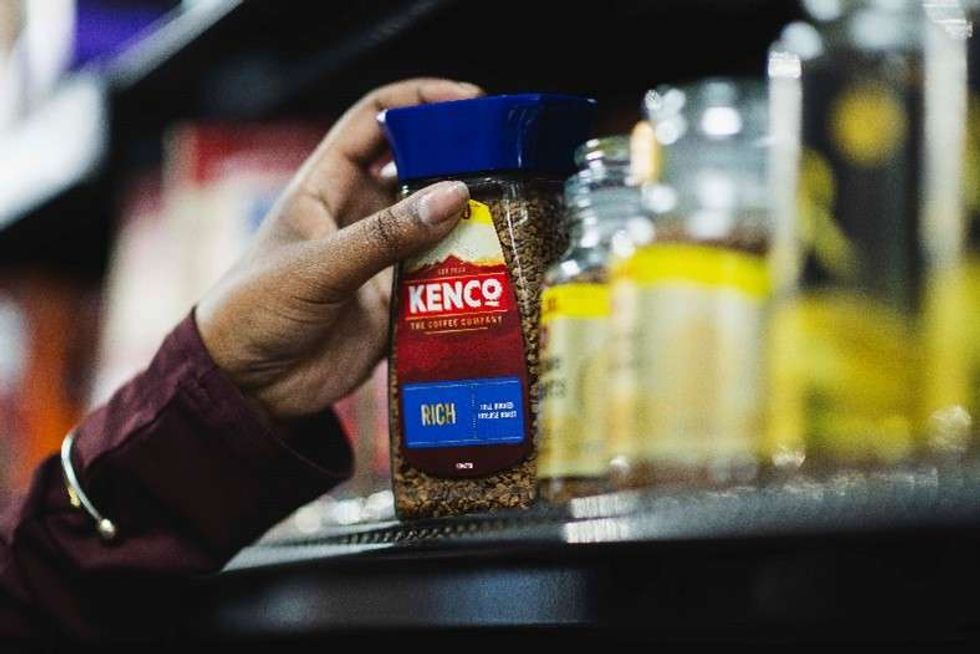
Important for indies is that one format that continues to thrive is instant coffee, accounting for 76 per cent of all in-home coffee cups consumed. “It signals a growing opportunity for premium instant coffee products that deliver rich, indulgent taste with minimum fuss – at a significantly lower cost per drink than a typical coffee shop order.” In fact, 49 per cent of consumers claim to visit coffee shops less to save money – with of them drinking more at home instead of forgoing their treat.
JDE Peet’s specialty range, including Kenco and Maxwell House, accounts for 20.7 per cent of the frothy coffee category, having seen 15.6 er cent in value growth in the last year , driven by the successful 2024 launch of the Kenco Millicano Tins and the continued growth of the Iced/Hot range.
The in-home frothy coffee category continues to grow year on year (+8 per cent vs YA), with Kenco’s specialty range, which accounts for 27.4 per cent of the frothy coffee seeing value growth of 15.6 per cent in the last year – driven mainly by the successful launch of the Kenco Millicano Tins. Alongside that, Kenco Original Cappuccino and Latte Sachets "tap into the market trend for coffee-shop-worthy beverages, recreating great tasting, frothy coffee without the need for a coffee machine,” explains Kabalyk, while the Tassimo Costa Range continues to be incredibly popular.
There is great choice now, with Kenco Decaf – the number one brand for instant decaf, and available in PMP formats – and luxury blends such as Kenco Smooth and L’OR Classique, offering shoppers a familiar, trusted, and delicious alternative to expensive coffee shop beverages. Decaf is a format that is gaining increasing importance and now makes up a quarter of all instant coffee sales, “showing the opportunity for retailers to offer shoppers high-quality decaf options to enjoy at home,” says Kabalyk.
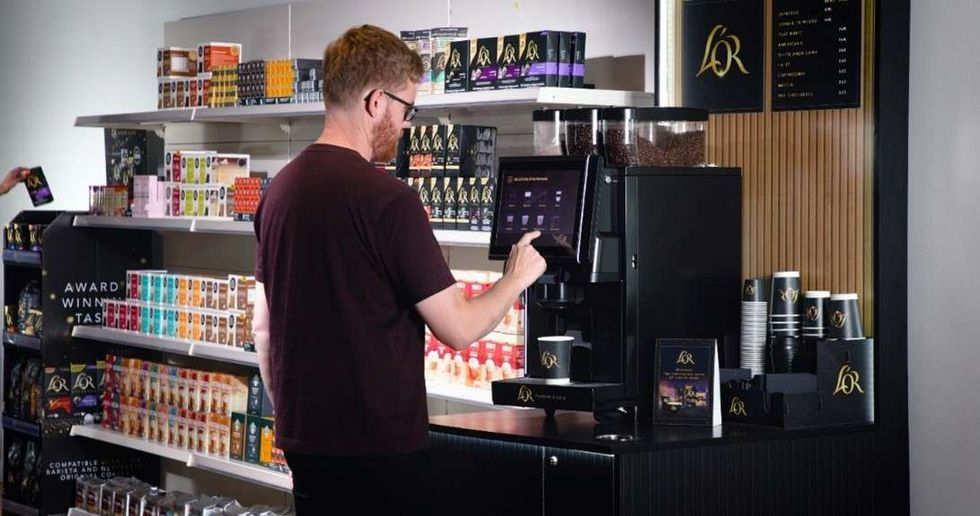
Hot and iced Coffee out is also doing great as a grab-and-go continues to serve the c-channel increasingly well, as an essential ingredient of the food-to-go offer. Lavazza, Nescafe to Go, Costa, Starbucks, Smokin' Bean – there are many branded coffee-to-go solutions, and one of the latest is the L’OR Barista Style Self-Serve Coffee Solution.
Hannah Morris, Head of Out of Home at JDE Peet’s UK & Ireland explains that “It isn’t just about brewing a good cup; it’s about delivering consistency, and quality at scale; enhancing your sales and meeting the evolving demands of today’s busy consumers.”
Meanwhile, Lost Sheep Coffee has launched a new range of Barista-Crafted Espresso Coffee Concentrates made with 100 per cent traceable coffee, designed to turn the daily coffee drinker into a home “Barista Legend”.
The new Espresso Coffee Concentrates (available in Pure Espresso and Caramel) are made with the speciality-grade “Get To The Hopper” coffee blend found in the brand’s Iced Coffee cans, now in a convenient format to use at home. It’s as easy as making a glass of orange squash. Simply “Shake, Pour, Stir” into milk for a perfect Iced Latte or water for an Iced Long Black.
More tea, vicar?
If you think you had enough tea, then think again. Brands such as Pukka, Ahmad, Whittard, Clipper, teapigs and Lipton (alongside the trad Tetley, Typhoo, PG Tips and Yorkshire) are proving to be super-innovative with flavours – and also function, as blends continue to develop in the wellness sphere, to promote calm, restfulness and any other number of positive states.
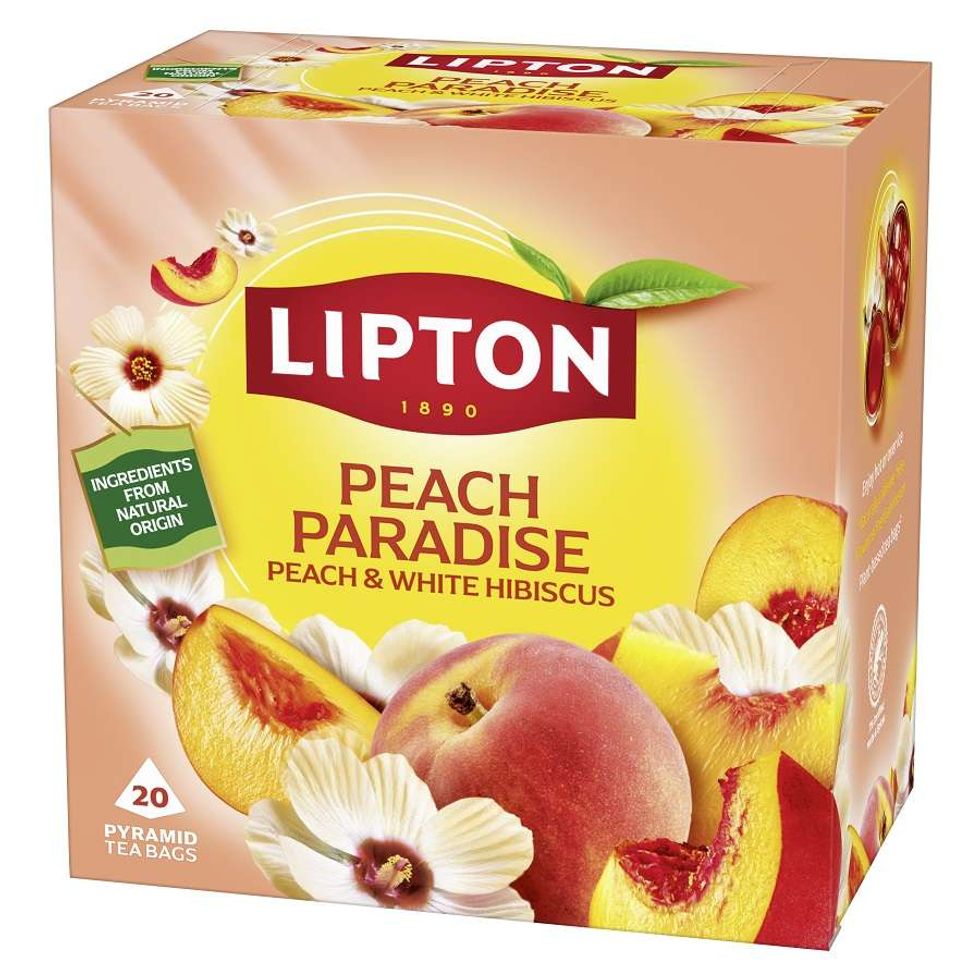
Lipton Teas & Infusions for one is set to refresh the UK tea category with the launch of its new Lipton Hot range. Created to “turn cold days into colourful moments”, the new range aims to redefine fruit and herbal tea with a fun and flavour-first proposition. With five delicious variants designed to warm consumers up from the inside out and brighten their days.
Made with ingredients from natural origin and real fruit pieces, Lipton’s new hot range includes Peach Paradise (20 tea bags/46g), Berry Bliss (20 tea bags/42g), Smooth Mint (20 tea bags/34g), Mango Passion (20 tea bags/36g) and Lemon Ginger Refresh (20 tea bags/34g). Offering fresh, fruity taste at an accessible price point, the range is designed to broaden the appeal of fruit and herbal teas, enticing younger consumers and newcomers to the category with bold flavours that are fun and refreshing.
"This next chapter for Lipton Teas & Infusions marks an exciting step forward in our mission to reimagine the tea experience for everyone. With the launch of the new Lipton Hot range, we’re not simply entering the fruit and herbal tea space - we’re redefining what it can be.”
Jonny Briscoe, General Manager for UK & Ireland for Lipton Teas & Infusions, adds, “This launch is a tribute to our company's heritage and a fresh step forward, with a vibrant line up that more than delivers with their bold, mouth-watering flavours.”
Last Christmas, sparkling teas proved to be a big hit, with sales of high-end sparkling teas soaring over the holidays as it replaced champagne during festive toasts, suggesting that tea is winning new loyal fans as a soft drink version with “wellbeing” powers as well as a headache-free alternative to booze.
The Buckinghamshire-based drinks company Real reported that demand for its sparkling tea, (which costs about £10 a bottle), so that’s another tea-type to keep in mind – straddling the beverage and no-lo categories – as Christmas approaches.
Twinings had entered the fray with its own canned sparkling tea aimed at health-conscious consumers, and in addition to alcohol, sparkling tea has also started giving competition to cola and lemonade for the lunchtime trade.
The market is also seeing a huge demand of bubble tea, kombucha and even energy drinks containing tea.
 Photo: iStock
According to Polina Jones, a food and drink expert at the data company NIQ, Britons are not necessarily “falling out of love” with tea, they are just drinking it in a different way.
A Mintel poll suggested that less than half of the nation drinks standard breakfast tea at least once a day, a figure that has tumbled by almost a fifth since 2020, it says.
Research points to a big opportunity for non-alcoholic drinks that actually taste good. A Mintel poll conducted last year found 59 per cent of adults had limited their consumption in the past 12 months or did not drink alcohol: from tipples to tea is the trend.
Magnificent milk
The flavoured milk category continues to thrive in the convenience sector, with sales up 13.6% to £355.9 million. Convenience sales alone represent 44 per cent of the total category, massively over-indexing at £806 million RSV.
Chocolate-flavoured milk is outperforming the market, with more than 110 million drinks sold annually, while protein milk drinks are booming—now accounting for 1 in 10 bottles sold and 47.3 million units in the past year.
Recently, Mars Drinks & Treats (MD&T) has capitalised on this trend with the launch of Mars and Snickers Hi Protein Milk Drinks, expanding its convenience range while tapping into the growing popularity of protein drinks.
Kerry Cavanaugh, general manager at MD&T, says: “With protein consumption rising across all demographics, shoppers are increasingly seeking drinks that deliver on both nutrition and taste.
“Our Hi Protein drinks contain 20 grams of protein and just 158 calories per serving, and being HFSS compliant, support retailers in offering great-tasting products that meet government guidelines on healthier food and drink choices.”
The MD&T milk drinks range is a key contributor to category growth, with convenience sales increasing 17.6 per cent to £19 million over the last year.
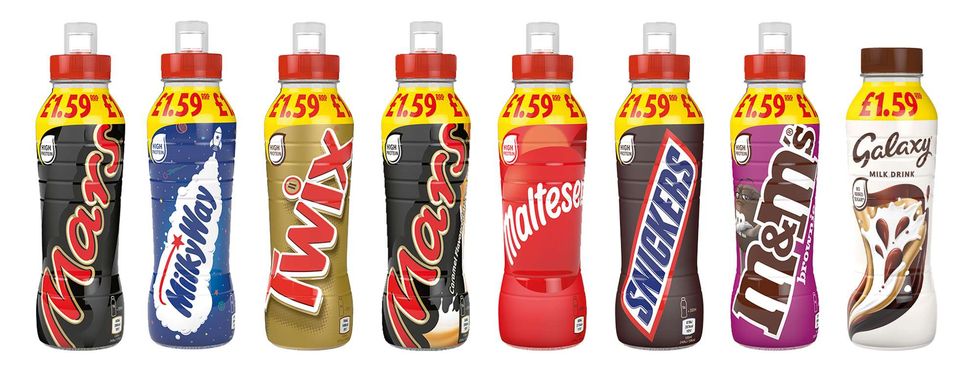
Cavanaugh continues: “Our strong, recognisable brands play a key role in attracting shoppers to the fixture. While many flavoured milk drinks are ambient to support stock management, merchandising them in the chiller remains important for driving impulse purchases from those seeking a ready-to-drink refreshment.”
Of course, the budget last month attempted to throw a spanner in the works by adding milk drinks to the products included in the sugar tax restrictions (or penalties), meaning that shoppers could soon be paying more for bottled milkshakes, flavoured milks and pre-packaged lattes.
Officially called the Soft Drinks Industry Levy (SDIL), the tax applies to most sugary and fizzy soft drinks sold in cans, bottles and cartons in supermarkets.
Health secretary Wes Streeting said the levy threshold will be lowered following public consultation, with the sugar limit reduced from 5g per 100ml to 4.5g per 100ml.
Crucially, milk-based drinks, previously exempted due to their calcium content, will now fall within the scope of the tax.
Previously, milk-based drinks were exempt because they contain calcium, which is encouraged in children and young people’s diets. However, the high sugar content of some of these drinks has prompted the rethink. A “lactose allowance” will be included to account for naturally occurring sugars in milk.
The SDIL, introduced in 2016, currently charges 18p per litre on drinks containing 5g–8g of sugar per 100ml and 24p per litre on drinks above 8g. The Treasury says it has driven major reformulation, with sugar levels in affected soft drinks reduced by 46 per cent and nearly 90 per cent now falling below the taxable threshold.
Milk-based ready-to-drink products have until now avoided the levy, but government concerns over high sugar content in many bottled frappés, iced coffees and milkshakes have triggered the policy shift.
The levy will continue to exclude drinks freshly prepared and served in cafés, restaurants and bars, meaning high-street coffees and lattes remain unaffected.
Some drinks that would come under the new proposal include: Starbucks Caramel Macchiato Iced Coffee (8.2g sugar/100ml), Shaken Udder Vanillalicious milkshake (8.4g sugar/100ml), Yazoo Strawberry Milk Drink (9.6g sugar/100ml), and Alpro Soya Chocolate long life drink (7.6g sugar/100ml).
Softly does it
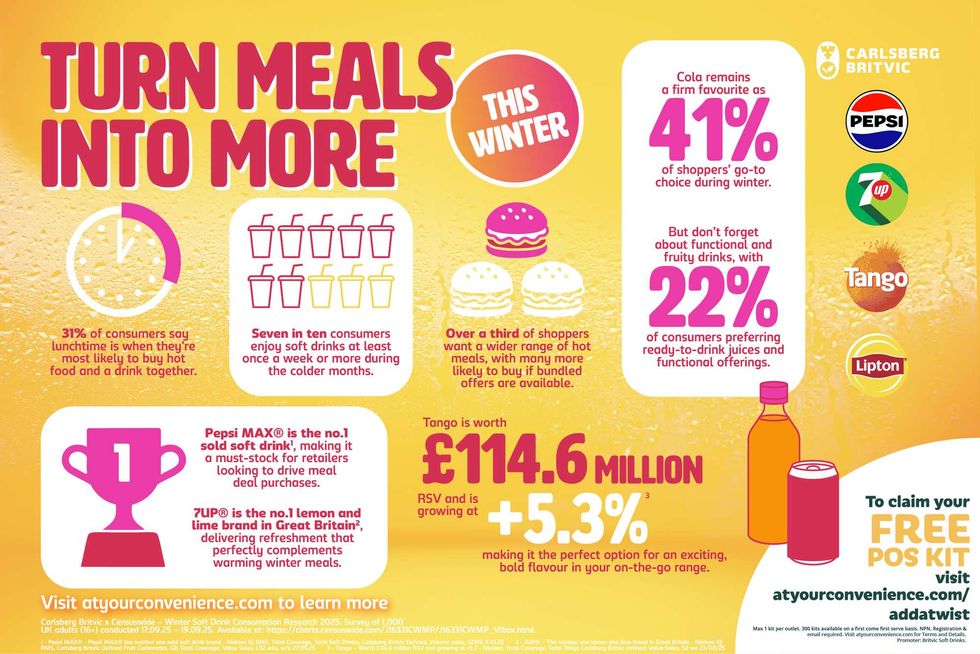
Carlsberg Britvic’s latest research revealed a “huge opportunity” for retailers to increase on-the-go soft drink sales beyond summer, with nearly seven in ten consumers enjoying soft drinks at least once a week or more during the colder months [Winter Soft Drink Consumption Research 2025]. While winter may see people spending more time at home, the figures suggest on-the-go soft drinks remain an everyday staple, and therefore an important element of your beverage-to-go offer.
Hot food represents one of the biggest growth opportunities for convenience stores in winter, and the researchers found that more than a third of shoppers say they’d like to see a wider range of hot meals available. For retailers, they say, the real win comes from pairing these options with soft drinks in on-the-go formats. A comforting hot meal combined with a refreshing soft drink can allow retailers to tap into year-round demand. By offering shoppers core favourites that pair perfectly with hot meals, these brands not only satisfy thirst and shoppers’ desire for flavour but also position the store as a destination for a complete meal solution.
“Lunchtime is the single biggest moment for hot food and drink sales, with 31per cent of consumers saying it’s when they’re most likely to buy hot food and a drink together” says Ben Parker. “After the traditional summer hydration season, retailers can maintain this momentum and really drive additional sales by combining hot meals such as quick serve food items or hot water self-service stations and combining these with on-the-go soft drinks. In fact, research shows that shoppers say they’d be even more likely to purchase if bundled offers were available.
Parker continues: “Of course, we appreciate that some chillers and hot food counters aren’t always near each other, so clear signposting and point of sale materials can guide shoppers to the right items, highlight relevant deals, and make it easy to pick up everything they need in one visit”.
Colas remain a firm favourite, with 41 per cent of shoppers saying it’s their go-to choice during winter, reinforcing the need for retailers to consistently stock favourites. Beyond cola, functional and fruity drinks also hold strong appeal, with 22 per cent preferring ready-to-drink juices and functional drinks. By offering a range of on-the-go soft drink formats, retailers can tap into shopper demand for convenience, while providing appealing, on-trend options that complement hot food occasions and keep soft drinks front of mind year-round and elevate your stores offering.
“Firstly,” says Parker, “we have our carbonates with the likes of Pepsi, 7UP and Tango, alongside functional energy brands with Rockstar Energy and Purdey’s. Then, we have Ready-to-Drink iced tea and coffee with Lipton Ice Tea and Jimmy’s Iced Coffee. Finally, retailers can stock our juice brands with Fruit Shoot and Robinsons Ready-to-Drink, so our on-the-go range supports retailers in offering something for every shopper.”
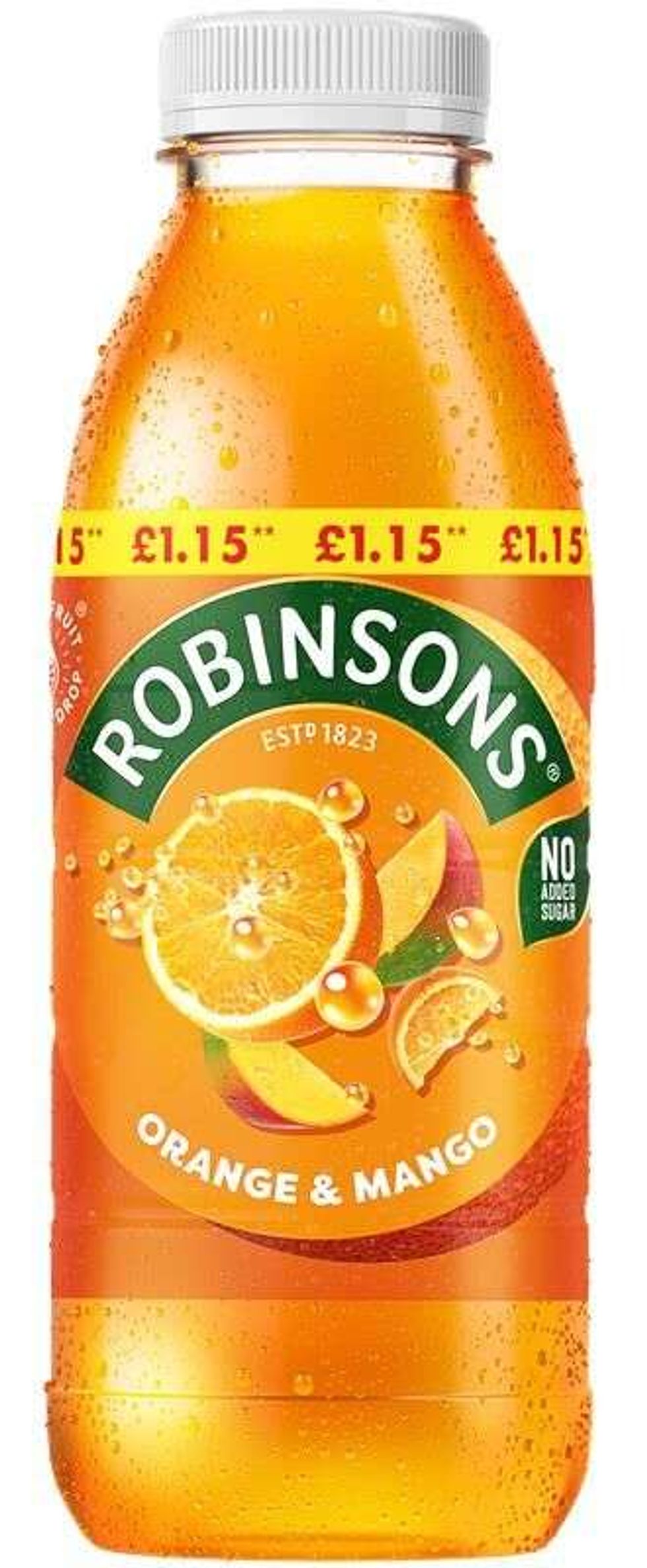
Robinsons unveiled the latest flavour in its Ready-to-Drink range with Orange & Mango earlier this year. Joining the existing Raspberry & Apple and Blackberry & Blueberry variants, Orange & Mango expands the Robinsons Ready-to-Drink range with another popular flavour choice for shoppers.
“In fact, 36% of Robinsons squash sales are in orange flavours,” says Clare Brosnan, Brand Marketing Director of Robinsons at Carlsberg Britvic, “and it’s worth over £75 million RSV in Robinsons dilutes.”
The brand is looking to build on its current success with its latest launch, with the range now worth £22m RSV and continuing to grow.
Parker said: “With our Ready-to-Drink range in growth and showing great promise in the market, we wanted to add to this success and help support retailers with another flavour that consumers already know and love. Orange & Mango is the perfect addition given its popularity and we see it becoming a core part of our growing range as a refreshing and fruity on-the-go option.”
Robinsons Ready-to-Drink Orange & Mango is available across retail channels in in 500ml single bottles (RRP £1.79), including Price Mark Packs (PMP) (RRP - £1.15).