



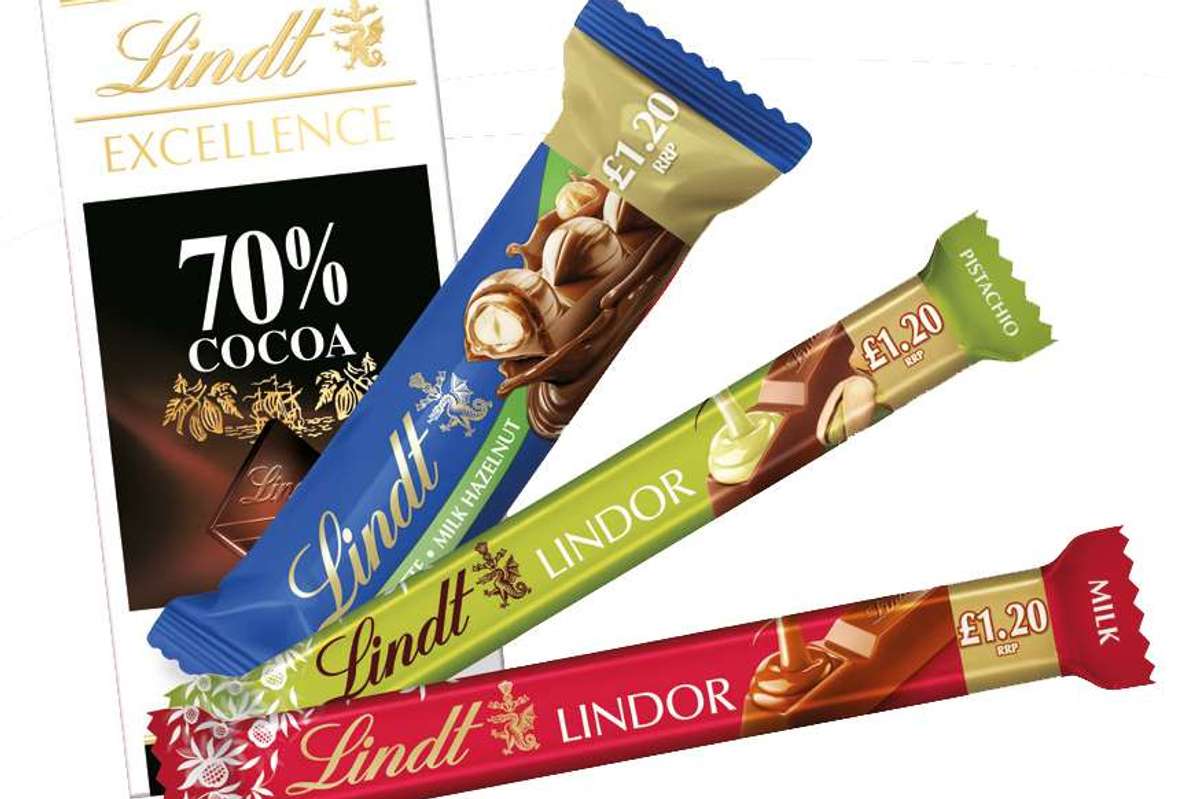

Lindt is adapting its packaging strategy to put greater emphasis on smaller products as increasingly price-sensitive shoppers rein in spending, the chocolatier said on Tuesday, after cutting its 2026 sales forecast for the second time this year.
The Swiss chocolatier said historically high cocoa prices had forced it to raise prices substantially, squeezing demand as consumers became more cautious about spending.
Over the past six months, cocoa prices have risen by around 80 per cent, while heatwaves across Europe this summer also hit chocolate demand.
Lindt now expects organic sales growth of 0 per cent to 2 per cent in 2026, down from its previous forecast of 4 per cent to 6 per cent. It had already lowered its guidance in March.
CEO Adalbert Lechner said the company's larger premium gift boxes and praline assortments had suffered the sharpest volume declines, while lower-priced products had proved more resilient.
As a result, Lindt will adapt its packaging sizes, with a greater emphasis on smaller products designed to encourage more frequent purchases and better align with changing consumer spending patterns.
The company said European heatwaves reduced growth by around 1.5 per cent this summer, adding to the pressure from higher prices and weaker order volumes in some markets, particularly for seasonal products.
The latest warning adds to wider pressure across the chocolate industry. In July, Swiss chocolatier and cocoa processor Barry Callebaut forecast a 1 per cent decline in annual sales volumes.
Pack size becomes an affordability lever
Lindt's move comes as other major FMCG companies are also looking at pack sizes as a way of responding to more price-conscious shoppers.
Last week, AB InBev said it would increase the range of smaller beer packs as part of a broader strategy to adapt to changing drinking habits, strained household incomes and growing interest in health and wellness.
The brewer said smaller packs could help make beer more affordable, particularly for infrequent beer drinkers, while it would also offer larger packs providing greater quantities for less.
AB InBev chief marketing officer Marcel Marcondes said budget-conscious consumers represented a significant opportunity for the business, with the company looking to use both smaller and larger pack formats to address different spending patterns.
The moves highlight how affordability can be addressed in ways beyond simply cutting the headline price. Pack size can influence the upfront cost of a purchase, how much a shopper takes home and potentially how often they buy.
For convenience retailers, that makes the range of pack sizes and price points an increasingly important part of responding to shoppers who remain willing to spend but are more conscious of the amount they pay at each occasion.
Despite the weaker 2026 sales outlook, Lindt maintained its target for a 20- to 40-basis-point improvement in operating profit margin this year and said cost-saving measures, adjusted pricing and increased brand investment should support positive volume growth in 2027.