



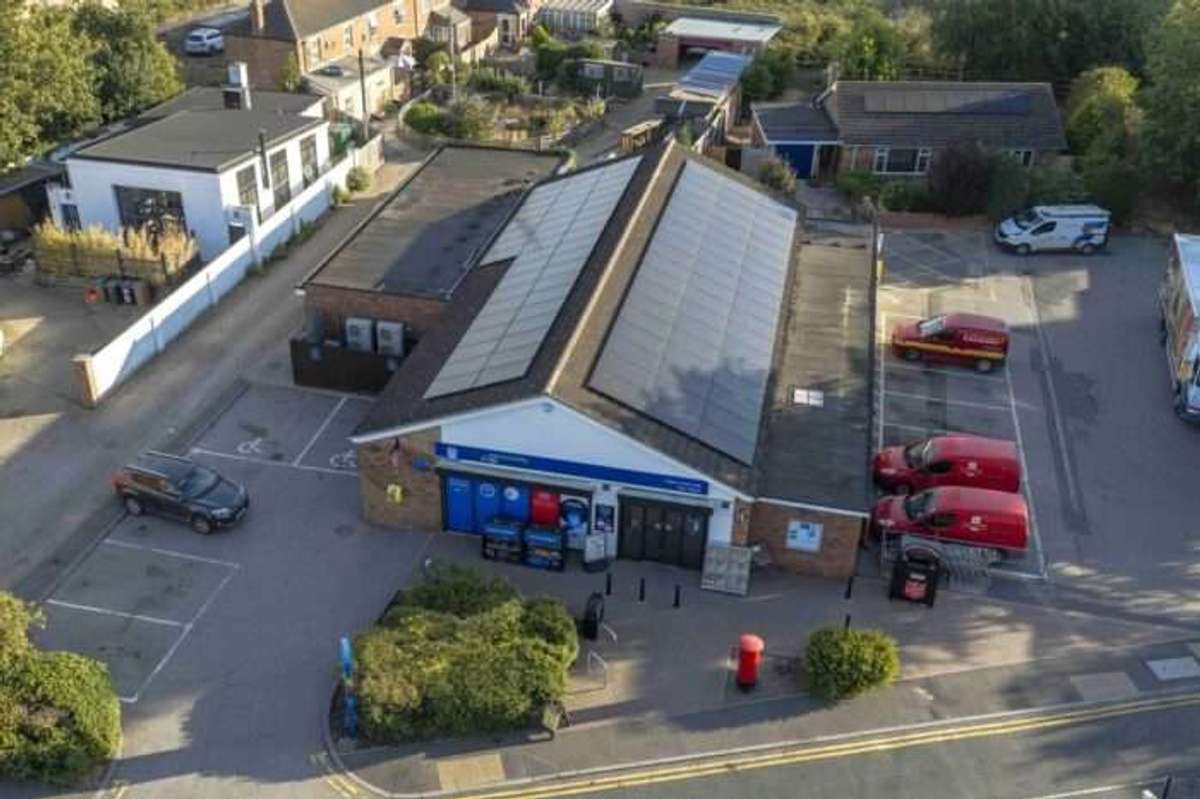

Lincolnshire Co-op has installed solar panels across 53 sites over the past two years as part of a £2 million investment programme aimed at reducing its environmental impact.
The retailer launched the solar investment programme in April 2024, with a further 10 sites scheduled to receive installations.
The panels have generated more than 560,000 kilowatt hours (kWh) of renewable electricity over the past six months – equivalent to the annual electricity use of 225 average UK homes.
Since the programme began, the installations have generated more than 1.74 million kWh of renewable electricity and reduced carbon emissions by more than 220 tonnes. This is equivalent to avoiding more than 877,000 miles driven in an average petrol car.
Once the remaining 10 sites are completed, all 62 locations are expected to generate more than 1.8 million kWh of renewable electricity annually. The panels can provide around 12 per cent of a site's electricity demand.
Lincolnshire Co-op said the solar programme forms part of its wider Environment Sustainability Strategy.
The retailer is also introducing a range of energy-efficiency measures in new and refurbished food stores, including CO2 refrigeration systems, insulated door curtains, fridge doors that use an average of 27 per cent less electricity, and management systems to regulate heating and lighting.
As part of its ambition to reach net zero by 2045, Lincolnshire Co-op has approved near- and long-term science-based emissions reduction targets with the Science Based Targets initiative (SBTi).
The business invested £8.5 million in 2025 and signed a 10-year Corporate Power Purchase Agreement to source 50 per cent of its energy from the London Array wind farm.
It is also supporting local environmental projects through community clean-ups, gardening activities and its Community Champions scheme, which raises funds for environmental groups.
Nick Wood, Lincolnshire Co-op electrical and mechanical project manager, said the solar installations marked “a significant milestone” in its ambition to become more environmentally responsible.
“We’re already seeing the positive impact of this investment, and it will play a crucial role into steering us towards a greener future and help us care for our local environment,” he said.