



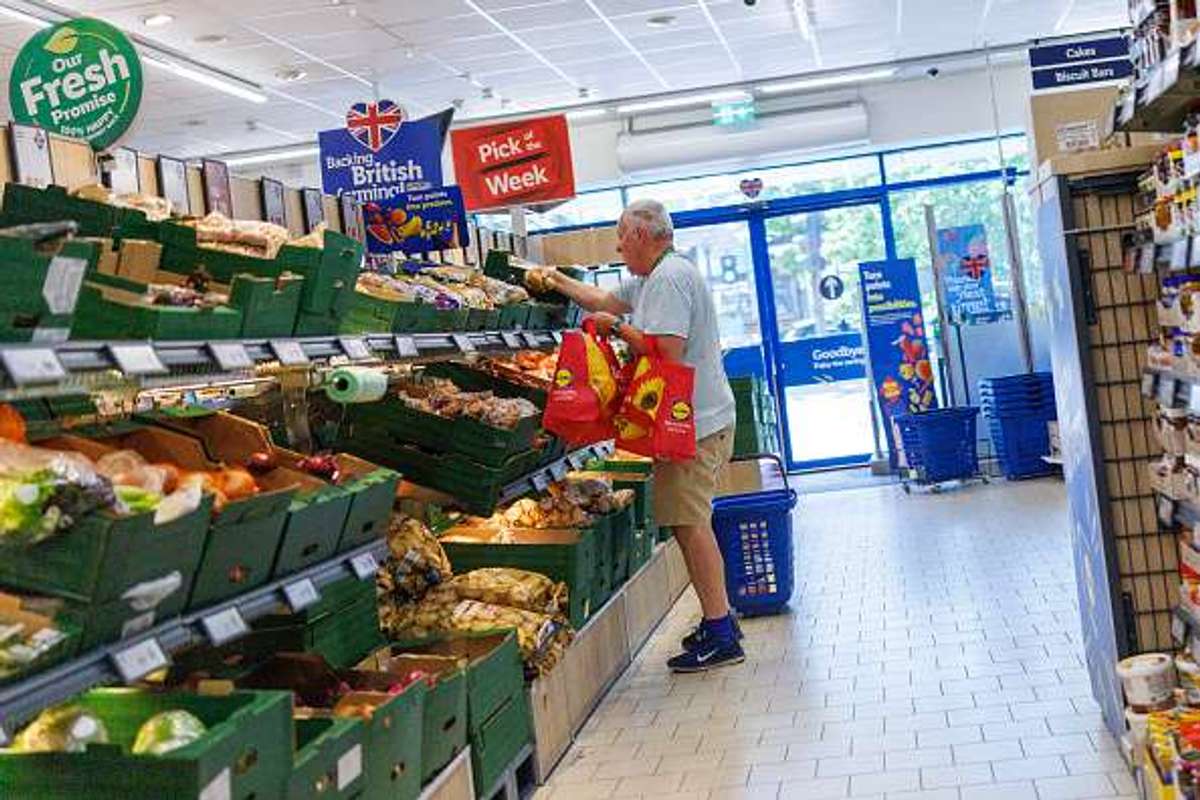

Food inflation fell from 3 per cent in the year to April to 2.2 per cent in the year to May, the slowest rate of food inflation since December 2024, shows latest CPI inflation figures published today (June 17).
UK inflation unexpectedly flatlined last month as a slowdown in food price rises offset pressure from airfares. It was lower than expected by economists, who had predicted an uptick in inflation to 3%.
ONS chief economist Grant Fitzner said: “After last month’s slowdown, inflation held steady in May as various price movements offset each other.
“The main upward movement came from transport with airfares, vehicle taxes and petrol prices all pushing up inflation.
“These were offset by lower food prices, with decreases in inflation seen across a range of meat, dairy and vegetable items compared to last month, as well as the cost of domestic heating oil, which fell back after climbing in recent months.”The ONS highlighted that it was linked to downward pressure from meat, particularly beef and ham, and dairy products, including cheese.
Responding to the latest CPI inflation figures, Harvir Dhillon, Economist at the British Retail Consortium, said: “Headline inflation remained unchanged, as supermarkets cut prices for both food and drink.
"Food inflation eased to 2.2% – its lowest since the 2024 Autumn Budget – thanks to fierce competition between grocers. However, it will likely pick up over the coming months as input costs rise, following the conflict in Iran.
"Elsewhere, prices at the fuel pump are likely to have peaked, and are expected to fall further over the coming months. A 12.7% increase in energy bills next month will, however, add further upward pressure on prices.
“Retailers are already shouldering a heavy burden of costs, from higher National Insurance contributions and the triple packaging tax to supply chain disruption triggered by the Iran conflict. To ensure prices can remain competitive for consumers in the long-term, the Government must take pragmatic steps to reduce the cost of doing business.
"This should start with a reduction in non-commodity charges, which are driving high energy bills, allowing retailers the breathing space to deliver savings for their customers.”